
Industrial Bolts and Bolted Connections: Ensuring Reliable and Safe Equipment Fastening
In industrial production, fasteners—such as bolts, nuts, screws, washers, pins, and rivets—are often seen as standard components that can simply be procured and installed according to specifications. However, in modern industrial engineering, fasteners are more than mechanical connectors: they are governed by engineering standards, directly impact equipment safety, and function as structural units built on clear engineering assumptions.
Many equipment failures show that connection issues rarely result from insufficient material strength. More often, they stem from misinterpretation or poor implementation of engineering standards, creating systemic risks. Understanding fasteners requires moving from the component level to system and standard perspectives.
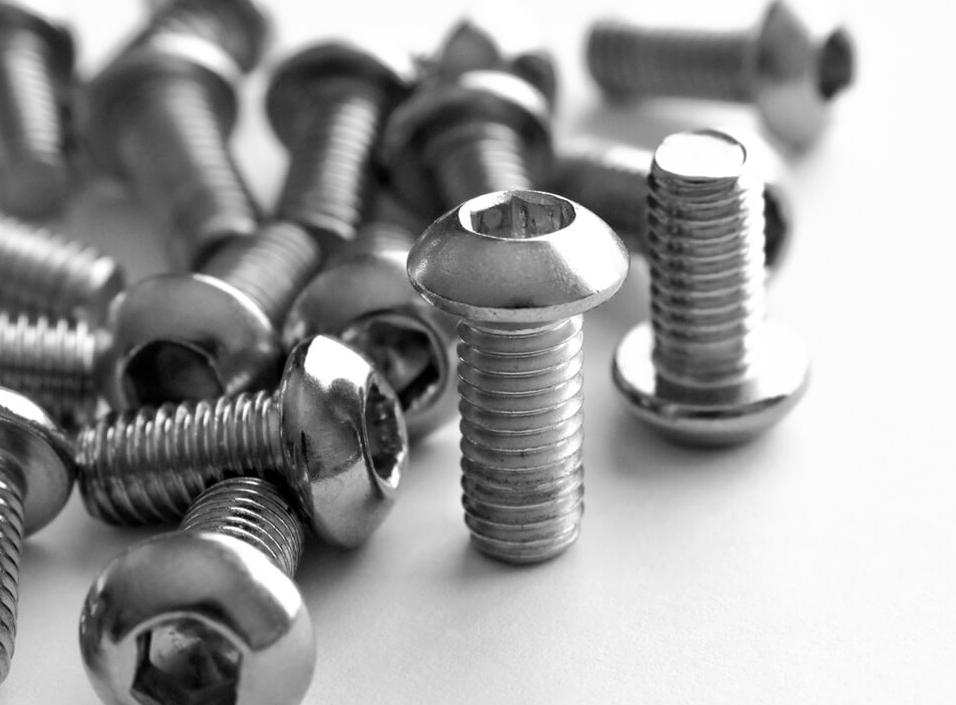
1. The Engineering Nature of Bolted Connections: Friction, Not Shear
From a mechanical standpoint, bolts do not maintain structural stability primarily through resisting shear. Instead, during tightening, axial preload generates friction between connected parts, which carries the majority of external loads.
Ideally:
- The friction at the interface bears the external load.
- The bolt mainly experiences stable tensile stress.
Thus, connection reliability depends on maintaining appropriate preload rather than simply tightening harder. Most failures occur due to preload loss, not immediate overload.
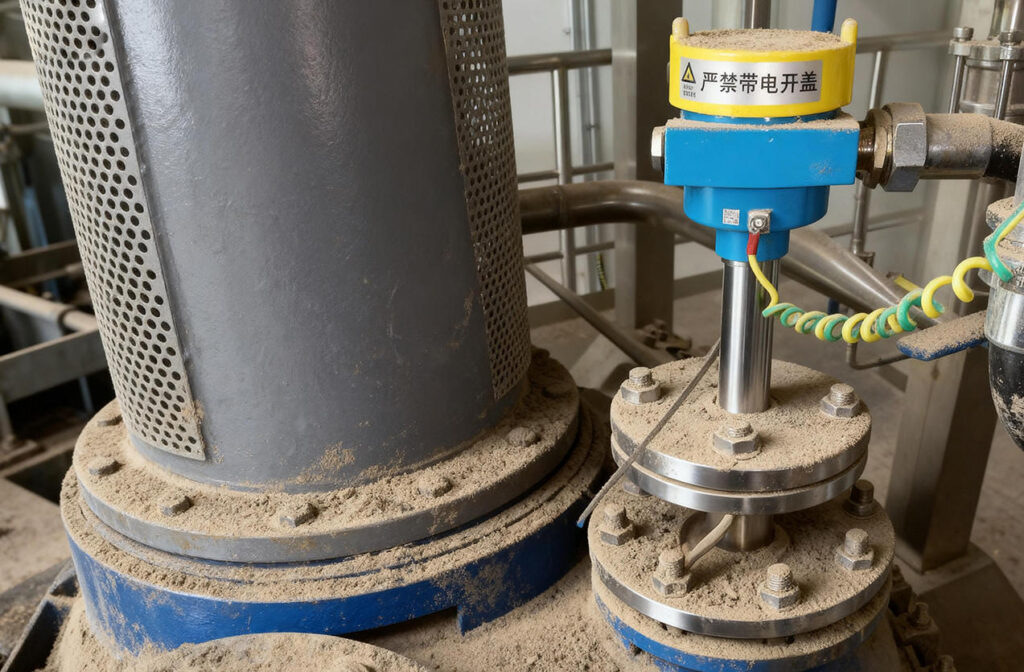
2. Preload
Preload is a critical parameter tied to load conditions, friction, and safety factors. Proper preload ensures:
- No sliding at the interface under maximum load.
- Bolts remain within their elastic range.
- Sufficient fatigue life of the joint.
Insufficient preload leads to micro-slippage and cyclic stresses; excessive preload can cause yielding or damage. Safety depends on preload, friction conditions, and load spectrum—not just material strength.
3. Strength Grades
Bolt strength grades define allowable working stress. Higher grades permit higher loads but reduce ductility and increase sensitivity to installation accuracy, friction, and stress concentrations. In vibrating or shock-loaded equipment, blindly choosing higher grades may accelerate fatigue. Proper selection must match actual load conditions.
4. Fatigue Failure
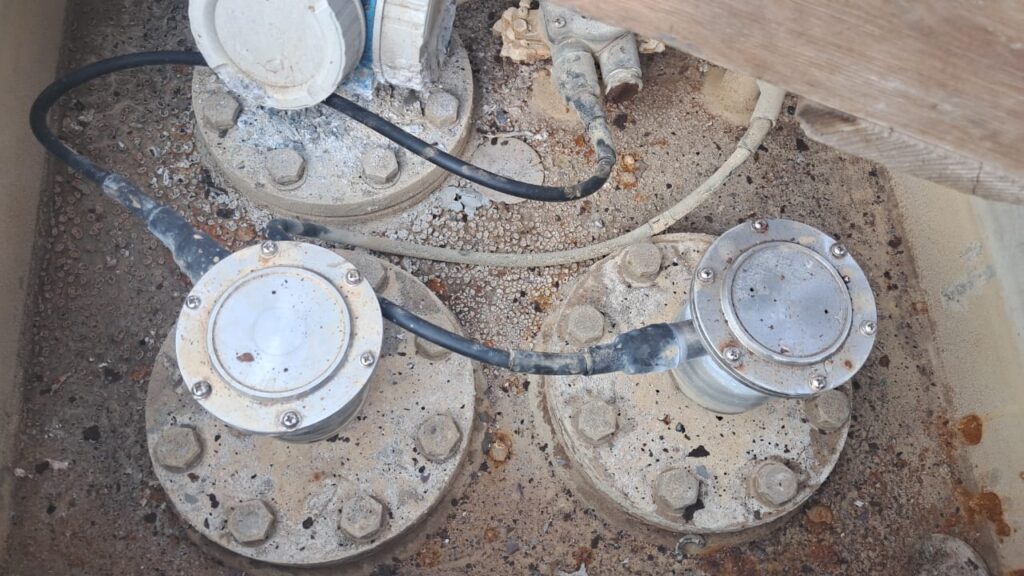
Most bolt failures are due to fatigue rather than static overload. Fatigue often arises from insufficient or decaying preload, causing micro-slippage and cyclic stress at the threads, eventually leading to fracture. Preventing fatigue relies on maintaining stable preload, limiting repeated disassembly, and following strict tightening sequences.
5. Material Selection
Fastener materials must suit the operating environment:
- Carbon and alloy steels: high strength, good fatigue performance, with surface treatments for corrosion resistance.
- Stainless steels: excellent corrosion resistance, typically lower strength than high-strength alloy steels.
Ignoring material differences can reduce connection reliability under high loads.
6. Surface Treatment
Surface treatment affects corrosion resistance, friction coefficients, and preload behavior. Since most tightening torque is consumed by friction, even small variations can cause significant preload deviation. Reliable surface treatment ensures predictable tightening and long-term connection stability.
7. Anti-Loosening Design
Preventing loosening is about maintaining preload, not just blocking rotation. In vibrating or impact environments, traditional spring washers are insufficient. Modern strategies combine:
- Structural design to prevent relative rotation
- Material or geometry solutions to maintain preload
- Process control and maintenance to reduce preload loss
Anti-loosening measures are part of the overall joint design, not just an additional component.
8. Lifecycle Management
In high-reliability industries such as wind power, rail transit, aviation, and nuclear, fasteners are managed across their full lifecycle:
- Design: Stress and fatigue calculations.
- Manufacturing: Material, heat treatment, and surface control.
- Assembly: Strict torque and installation procedures.
- Operation: Periodic inspection of critical joints.
- Maintenance: Standardized replacement and traceability.
Fasteners are engineered components with service behavior, not disposable parts.
Conclusion: Reliability Starts with Connections
The upper limit of industrial equipment performance depends on design and manufacturing. The lower bound of reliability is almost entirely determined by whether fundamental connections are properly understood and executed.
Though fasteners seem ordinary, they endure the most critical and long-term engineering challenges. Paying attention to fasteners is, at its core, respecting engineering principles and industrial experience.