Innovative Application of Jiwei JWrada® Radar Level Meter in Ship Berthing Distance Control
Abstract
In busy port operations, ship berthing safety is of paramount importance. Traditional berthing methods often rely on crew visual judgment and experience, which pose significant safety risks. With the advancement of smart port construction, the use of advanced radar level meter technology to achieve precise measurement and control of ship berthing distance has become a new industry trend. This article deeply explores how the Jiwei JWrada® radar level meter, in complex port environments, leverages outstanding hardware performance and innovative software advantages to provide reliable data support for safe ship berthing, assisting crews in precise adjustments and promoting intelligent upgrades in port operations.
I. Introduction: The Leap from “Experience-Based Berthing” to “Digital Berthing”
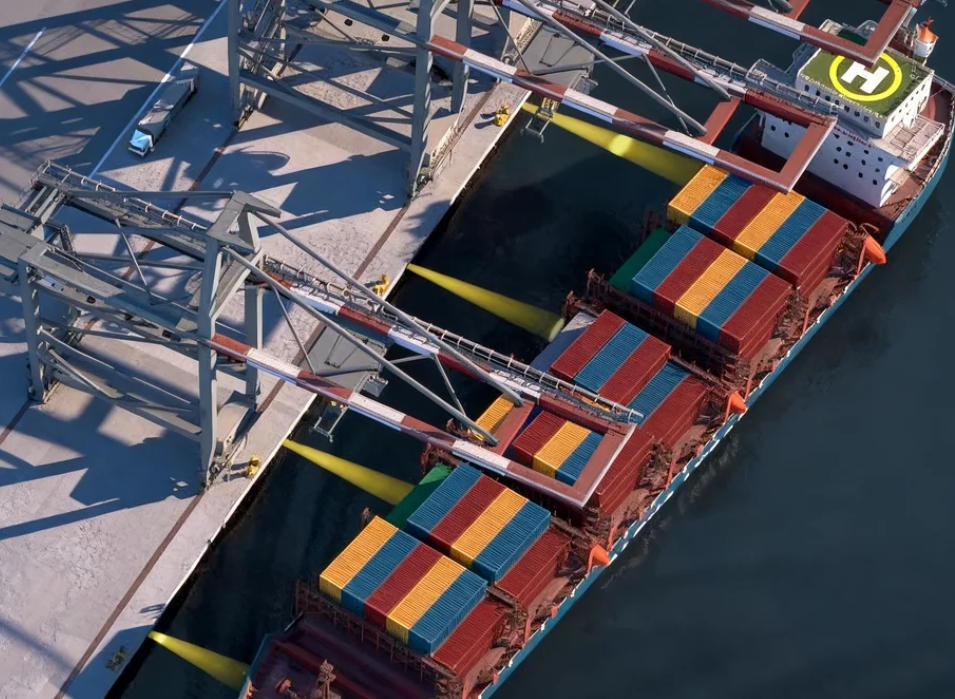
Ports, as hubs of global trade, welcome massive vessels from around the world every day. For crew members and pilots, maneuvering ships weighing tens of thousands or even hundreds of thousands of tons toward the dock is a highly challenging “micro-control” operation. During this process, the distance between the vessel and the dock fender is critical. Approaching too fast or at the wrong angle may damage port facilities or the vessel itself; approaching too slowly may delay valuable operational time.
For a long time, this process has relied mainly on visual observation, experience-based judgment, and awareness of water currents and wind direction. However, in low-visibility conditions such as nighttime, dense fog, or heavy rain, the risk level of traditional methods increases exponentially. How to use technological means to achieve real-time, precise, and quantitative monitoring of ship berthing distance—helping crews adjust speed and direction calmly—has become an important topic in smart port development.
The JWrada® radar level meter launched by Jiwei Automation, with its non-contact measurement, high precision, strong anti-interference capability, and unique cloud-based remote commissioning technology, has been successfully applied in ship berthing distance monitoring systems, providing a perfect solution to this industry pain point.
II. Application Challenges: Measurement Difficulties in Port Environments
Applying radar level meters to ship berthing distance measurement is not simply a matter of “installation and use.” The uniqueness of port environments imposes extremely strict requirements:
- Complex water surface reflections and wave interference: The sea or river surface is not a static mirror. Waves and water splashes generated by ship propellers can cause complex clutter interference, leading to data fluctuations.
- Harsh weather conditions: Ports often experience high humidity, salt spray corrosion, and even extreme typhoon conditions. Equipment must have extremely high protection ratings and environmental adaptability.
- Dynamic target tracking: Berthing is a dynamic process. The ship’s side shape is irregular, and although movement is slow, inertia is significant. The radar must capture real-time changes in hull position with high response speed and refresh rate.
- Difficult installation and commissioning: Monitoring points are widely distributed and sometimes located in high-risk areas. If parameter adjustments are required, repeated on-site visits are costly and inefficient.
III. Hardware Breakthrough: Precision Measurement of JWrada® Radar Level Meter
In response to these challenges, the Jiwei JWrada® radar level meter demonstrates strong professionalism in hardware design.
1. Millimeter-Level Accuracy, Real-Time Distance Monitoring
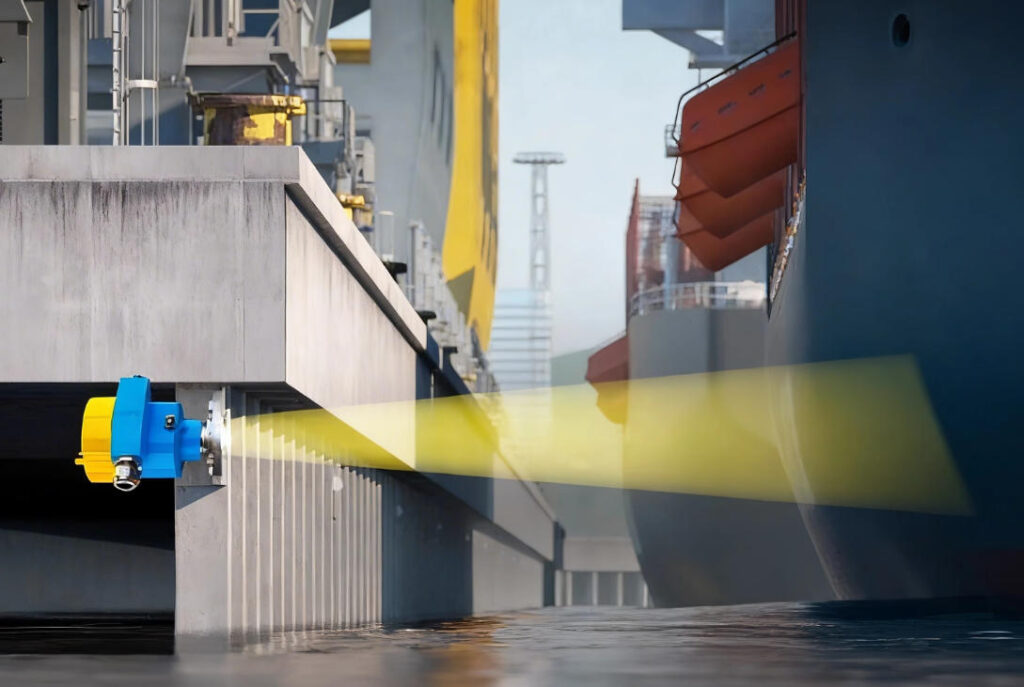
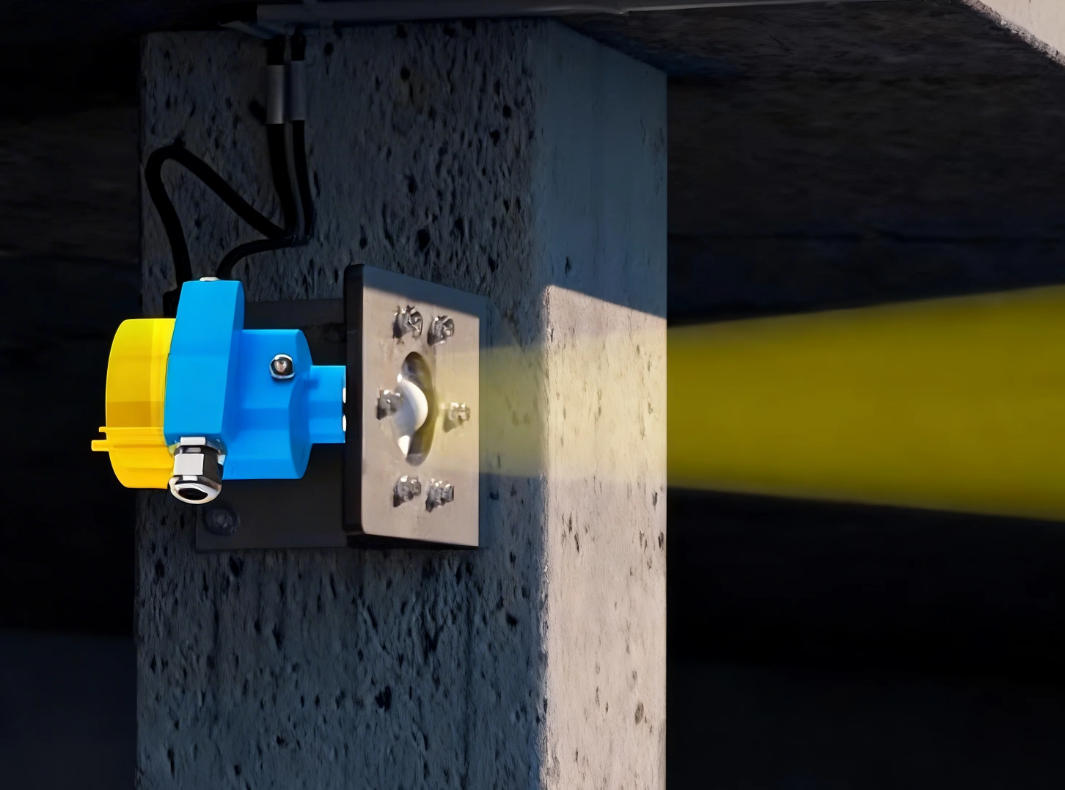
The JWrada® series uses high-frequency microwave technology, achieving millimeter-level accuracy. In berthing applications, it is installed on dock fender columns or dedicated brackets, aligned vertically or laterally toward the ship’s approach direction. When the vessel approaches, radar waves reflect from the hull and return to the device, which calculates the precise distance in real time. Whether it is the final critical “one meter” or slight drift, it can be accurately captured and transmitted to crew members and shore operators via display or wireless communication.
2. Strong Anti-Interference Capability
To address wave and splash interference, JWrada® radar features advanced signal processing algorithms. With a narrow beam angle and concentrated energy, it effectively avoids interference from fixed structures such as fenders and bollards. Through refined filtering, the instrument can distinguish between “water reflections” and “hull reflections,” ensuring stable and accurate output while eliminating false alarms.
3. Durable and Weather-Resistant
Considering the high salt-spray environment of ports, the JWrada® radar level meter adopts high-performance anti-corrosion materials and fully sealed housing design. With protection ratings of IP67/IP68, it operates reliably in humid and corrosive environments, achieving a low-maintenance “install-and-forget” goal.
IV. Core Competitiveness: Software Empowerment and Remote Operation Revolution
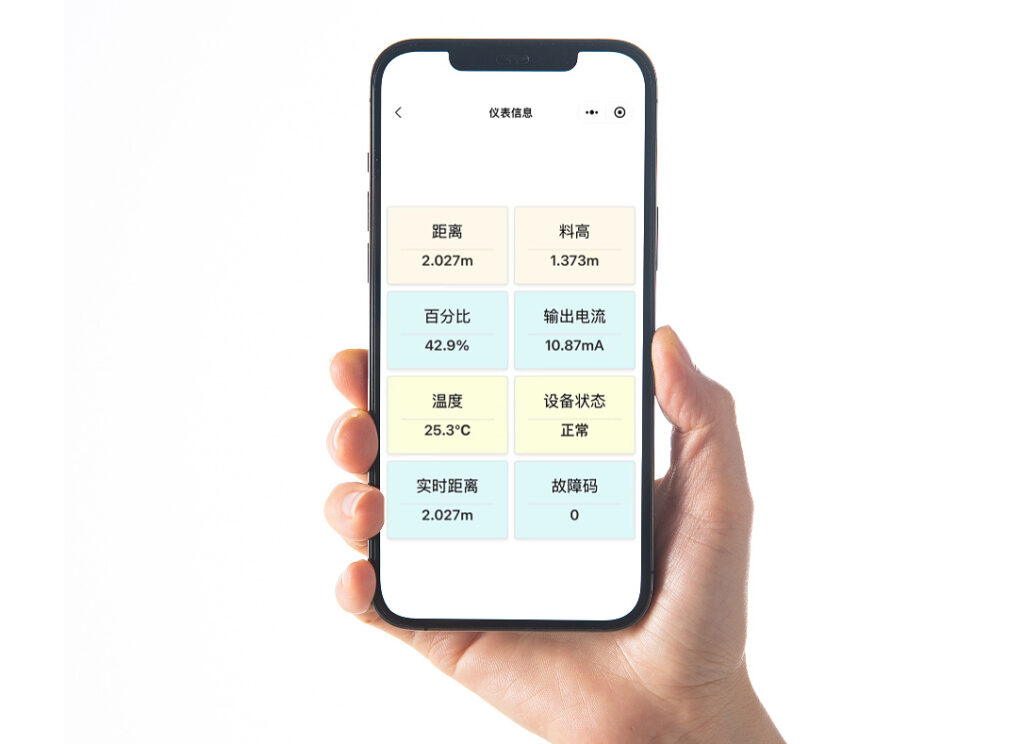
If excellent hardware is the strong body of the JWrada® radar level meter, then its innovative intelligent software system is its smart brain. This is also the core competitive advantage distinguishing Jiwei products from other domestic manufacturers. In port berthing systems, this advantage is fully demonstrated.
1. Full-Function Intelligent Management
JWrada® radar level meter is not just a measurement tool but an intelligent terminal. Its built-in software system includes software updates, commissioning, parameter configuration, and fault code viewing. Users can easily monitor device status through the interface. This integrated hardware-software design allows better adaptation to complex industrial environments like ports.
2. Cloud-Based Remote Commissioning: Breaking Time and Space Limitations
JWrada® supports cloud-server-based remote commissioning, delivering significant value in port applications.
Port areas are often large, with widely distributed monitoring points, sometimes located in high places or near the sea edge. On-site commissioning is time-consuming and risky.
With Jiwei’s independently developed cloud technology, engineers can collaborate remotely with on-site personnel.
- Real-Time Echo Curve and EFT Curve Analysis: During commissioning at a port project, engineers used cloud access to analyze equipment status and combined echo and EFT curves for professional evaluation. The echo curve clearly displayed reflection intensity at different distances, helping engineers distinguish valid hull signals from wave clutter.
- Customized Algorithm Optimization: Based on local tidal variations and vessel characteristics, engineers remotely adjusted filtering parameters and signal thresholds. After optimization, measurement stability improved immediately, effectively filtering environmental noise.
This “cloud-based diagnosis” model reduces fault response time from days to hours and significantly lowers operational costs. This cloud debugging and waveform analysis technology, independently developed by Jiwei, is currently unique in China and fills an industry gap.
V. Application Scenarios: Helping Crew “See” Safe Distance
How does JWrada® help crews adjust berthing operations?
1. Assisting Deceleration and Position Adjustment
When a vessel enters the berth area, the radar system activates. Data is transmitted to shore LED displays or crew mobile terminals. Crew members can clearly see real-time distance changes (e.g., “10 meters… 5 meters… 2 meters”). This enables precise control of thrusters and main engines to adjust speed and angle, preventing collisions caused by excessive inertia.
2. Preventing Over-Compression
Dock rubber fenders have compression limits. The radar monitors ship position after fender compression, preventing excessive pressure that could damage fenders or hull plates.
3. Monitoring During Docking
Even after docking, the radar continues monitoring. In case of wind or wave-induced drift or loosened mooring lines, it detects distance changes immediately and triggers alarms, helping prevent cable breakage accidents.
VI. Customer Value: Safety, Efficiency, and Cost Optimization
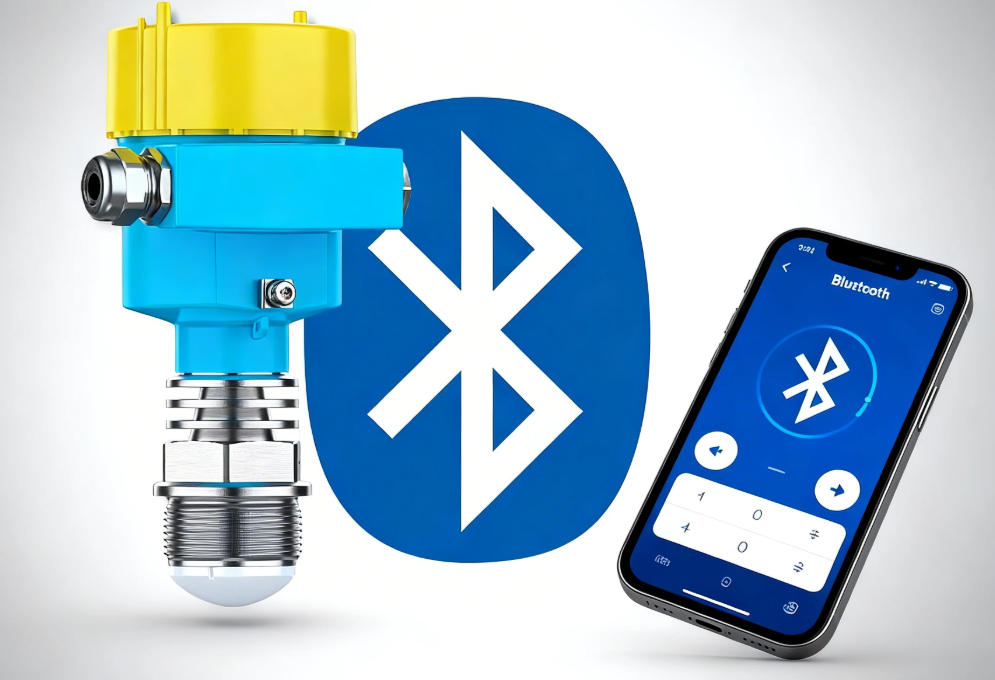
Introducing JWrada® radar level meters for berthing distance control brings significant benefits:
- Enhanced Safety: Quantifies the “last mile” of berthing, eliminates blind spots, and reduces accident risks due to human error.
- Improved Operational Efficiency: Provides accurate data references, enabling faster yet safe berthing operations and increasing berth turnover.
- Reduced Maintenance Costs: With IP68 protection and cloud remote commissioning, on-site maintenance is minimized, saving labor and resources.
VII. Conclusion
Ship berthing distance control is a critical link in port safety operations. The JWrada® radar level meter solves complex environmental measurement challenges with robust performance unaffected by light and weather conditions. Moreover, with cloud-based remote commissioning and echo curve analysis innovations, it redefines maintenance models for level measurement instruments.
In the wave of smart port and maritime power construction, Jiwei Automation drives innovation through a “hardware + software” dual-engine strategy, continuously contributing intelligence to port digital transformation worldwide. For port enterprises seeking highly reliable and intelligent berthing solutions, JWrada® stands as a trusted benchmark choice.