Safeguarding the Coastlines and Urban Drainage: JWrada® MINI-21 Radar Sensor in South African Tide Gauge Stations
From the Cape of Good Hope in Cape Town to the bustling Port of Durban, South Africa possesses a coastline stretching over 2,500 kilometers. This region, where the Radar Sensor must serve as a reliable Tide Gauge, is the meeting point of the Indian and Atlantic Oceans, facing year-round challenges from fierce winds, massive waves, and high salt-spray corrosion. Simultaneously, rapid urbanization has made urban waterlogging during heavy summer rains in inland cities like Johannesburg a critical issue.
To address these highly challenging natural environments, Shenzhen Jiwei Automations Ltd. (Jiwei) introduced the JWrada® MINI series Model 21 radar sensor. With its exceptional hardware interference resistance and industry-leading cloud-based remote debugging software ecosystem, this radar sensor is providing solid technical support for South Africa’s tide gauge stations and hydraulic monitoring systems.
1. Real Challenges Facing South African Tide Gauge Monitoring
South Africa’s topography and climatic features place harsh demands on any radar sensor used for water level measurement:
Marine Environmental Corrosion: In areas such as Durban and Gqeberha (Port Elizabeth), the air is saturated with salt spray. Ordinary tide gauge equipment made of standard metals corrodes easily, leading to shortened lifespans.
Violent Climate Fluctuations: Winter storms in the Western Cape and summer floods in KwaZulu-Natal require a radar sensor to maintain stable readings amidst strong winds, heavy rain, and turbulence.
Maintenance Difficulties in Remote Areas: Many ecological reserves and river monitoring points in South Africa are located in remote areas where manual on-site maintenance is time-consuming and labor-intensive.
Energy Supply Limitations: Many field stations rely on solar power, requiring the radar sensor to operate with extremely low power consumption.
2. JWrada® MINI-21: The Radar Sensor Foundation Designed for Extreme Conditions
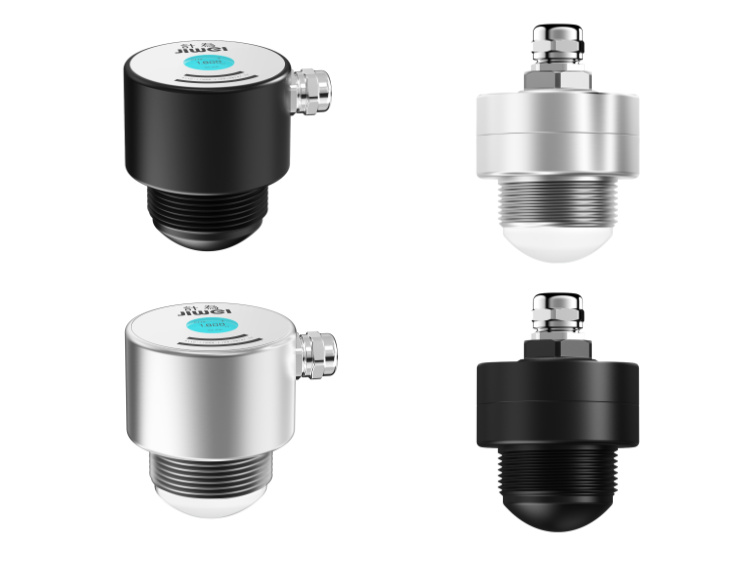
The JWrada® MINI series Model 21 radar sensor is a strategic product developed for the global hydraulic market. Its hardware specifications perfectly align with the South African tide gauge market:
- 80GHz High-Frequency Radar Technology The MINI-21 radar sensor utilizes non-contact 80GHz high-frequency technology, featuring a narrower beam angle compared to traditional 26GHz products. When installed in narrow urban drainage culverts or near dense port bridge piers, this radar sensor effectively avoids interference from side walls, ensuring the measurement beam reaches the water surface directly. It offers precision up to ±1mm with a range of 30 to 80 meters.
- Ultimate Protection Rating Considering the high salt-spray environment along the South African coast, the MINI-21 radar sensor achieves an IP66/IP68 protection standard. The fully sealed design resists salt-spray penetration and ensures the sensor remains operational even if briefly submerged during sudden floods.
- Flexible Communication Protocols Two-wire (4-20mA/HART): Compatible with legacy industrial control systems for seamless upgrades. Four-wire (RS485/Modbus): Provides a standard interface for any modern tide gauge station undergoing digital transformation, allowing easy access to IoT gateways.
3. Core Competitiveness: JWrada® Software Intelligence and Remote Debugging
The reason the JWrada® MINI-21 radar sensor stands out in the South African market lies in its self-developed software ecosystem. This is more than just a radar sensor; it is an intelligent terminal.
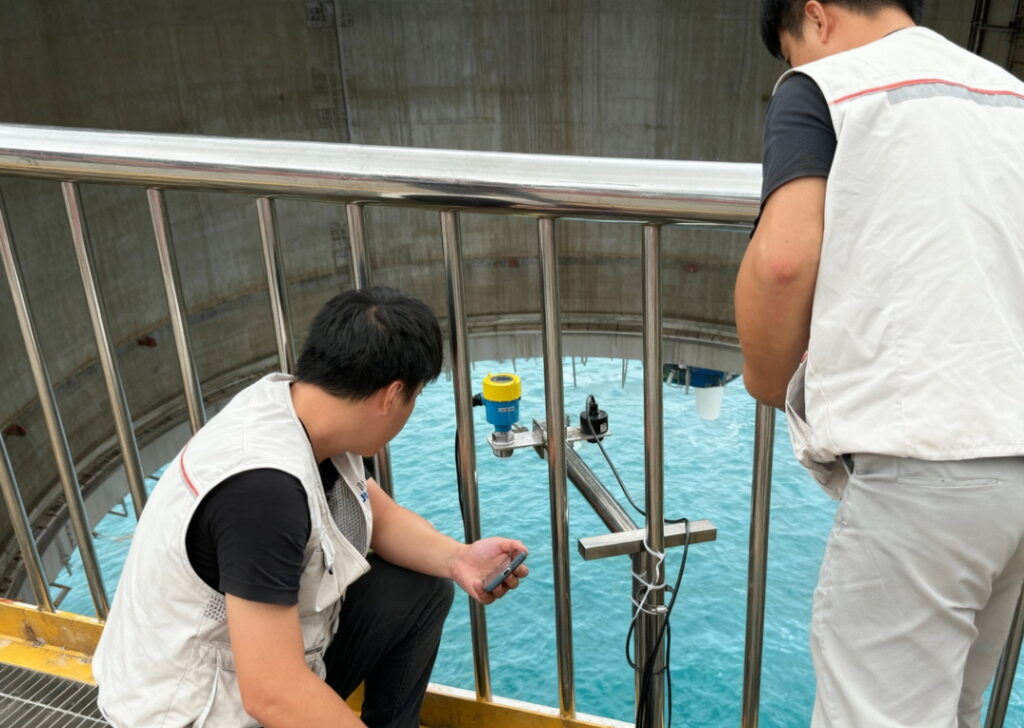
- On-site Bluetooth Debugging (Bluetooth® v5.4) Engineers can connect to the radar sensor wirelessly via a mobile App. At high-wind sites like the Cape of Good Hope, maintenance personnel can complete parameter settings and condition debugging from the ground, significantly improving operational safety.
- Cloud Server Remote One-on-One Collaboration For monitoring points in remote areas of South Africa, Jiwei provides a cloud-based remote debugging mechanism:
Real-time Echo Curve Analysis: Headquarters engineers can view signal quality in real-time via the cloud to analyze echo jitter caused by strong winds or waves at the tide gauge station.
Customized Algorithm Adjustment: Targeting specific South African conditions, EFT curves and filtering algorithms are optimized remotely to ensure the radar sensor achieves optimal measurement performance in its unique environment.
One-click Software Upgrade: Users can enjoy the latest algorithm optimization results for their radar sensor for the first time without returning the unit to the factory.
4. Case Studies: Analysis of South African Tide Gauge Applications
- Tide Gauge Monitoring at the Port of Durban At a certain pier in the Port of Durban, traditional ultrasonic sensors had high false alarm rates due to waves and surface foam. After switching to the JWrada® MINI-21 radar sensor, the 80GHz technology enabled precise tide gauge monitoring 24/7. This provided reliable pilotage data for large cargo ships, effectively avoiding grounding risks.
- Urban Flood Warning in Gauteng Province In the renovation of Johannesburg’s urban drainage network, the miniaturization of the MINI-21 radar sensor was a major advantage. Its RS485/Modbus output transmits data in real-time back to the monitoring center through solar-powered GPRS terminals. Even during sudden rainstorms, the radar sensor relies on its unique software filtering algorithm to gain valuable evacuation time for flood warnings.
5. Summary: Injecting Chinese Wisdom into South Africa’s Hydrological Construction
Water level monitoring is a vital line of defense for public safety. The Jiwei JWrada® MINI series Model 21 radar sensor deeply integrates rugged industrial hardware with forward-looking cloud software. From the waves of the Indian Ocean to the culverts of inland cities, Jiwei is helping South Africa respond to climate change with a more precise and intelligent radar sensor, writing a new chapter in digital tide gauge monitoring.