Case Study: Tunnel Rainwater Level Monitoring – Radar Level Meter
Background of Rainwater Level Monitoring for Shixia Tunnel, LianNan, Guangdong
In early 2025, radar level meters were selected for the Shixia Tunnel in LianNan County, Qingyuan City, Guangdong Province, which had entered its final construction stage. This tunnel is a key part of the S390 provincial road expansion project, with a total length of 1.6 kilometers. It is a typical mountainous highway tunnel with complex geological conditions and high rainfall. The surrounding mountains have high water content. According to meteorological statistics, LianNan belongs to the subtropical monsoon rainforest climate zone, with concentrated and frequent rainfall in summer, including heavy rain, short-duration storms, and rapid surface runoff. These conditions make the tunnel susceptible to water accumulation and backflow risks.
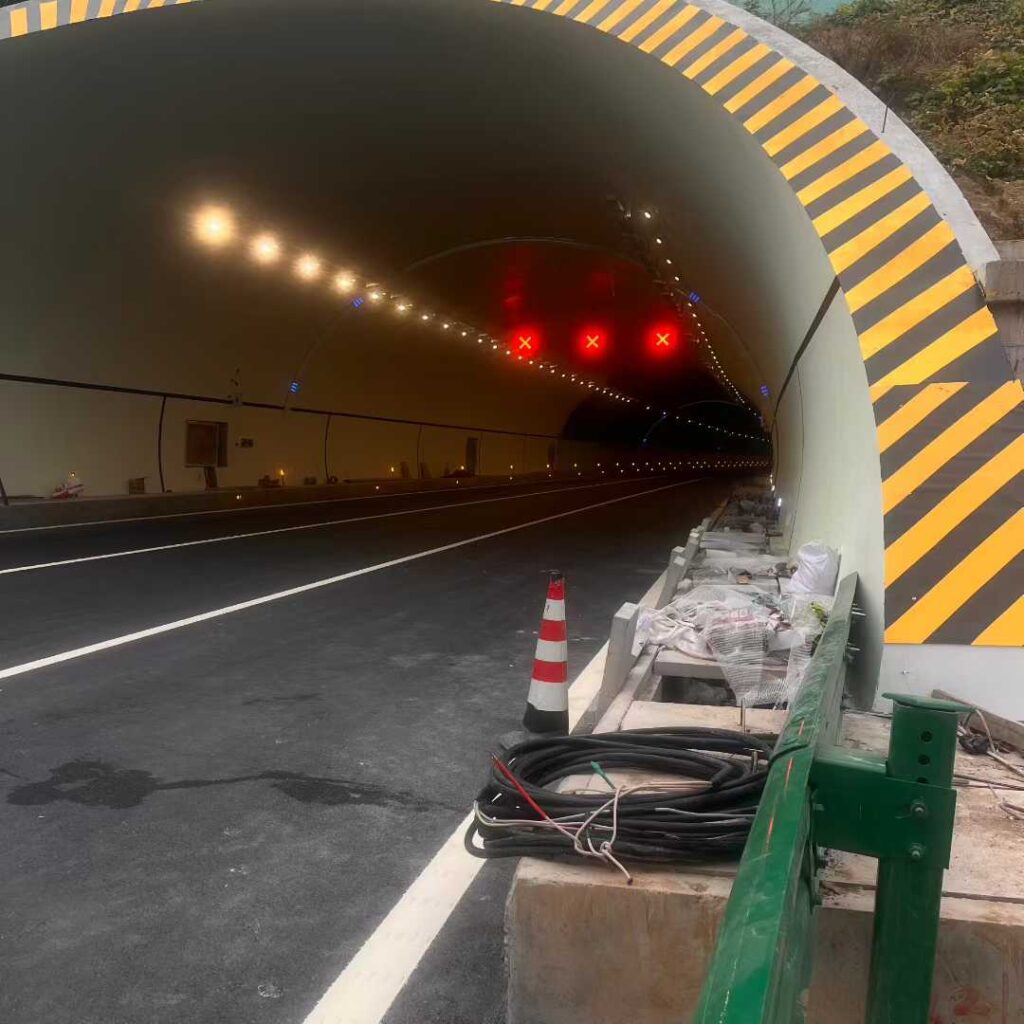
To ensure the tunnel’s drainage capacity after opening, the project team designed drainage channels, sumps, power distribution systems, pump stations, and water level monitoring systems inside the tunnel. The design explicitly required the installation of radar level meters for real-time rainwater level monitoring, providing reliable signals for the automatic drainage system.
The tunnel drainage system mainly consists of a central drainage channel along the roadway, side gutters, sumps at mid-tunnel and tunnel entrances/exits, and a pump station system with automatic start-stop control. Once large amounts of rainwater enter the internal drainage structure, the rising water level triggers the pump station via sensor signals for automatic drainage. Delays in level monitoring or unstable signals could result in pump operation lag, leading to water accumulation and posing a threat to tunnel traffic safety. Therefore, the reliability of the level measurement devices is a core component of the entire system.
At the end of 2024, the project team conducted a comprehensive evaluation of measurement equipment. Mechanical level switches were first ruled out due to susceptibility to gravel, silt, and rust particles. Electrode-type level sensors were also excluded because the underground environment is highly humid, and the conductivity of the medium varies, making long-term reliable operation difficult. Ultrasonic level meters were considered unsuitable due to high ambient humidity, condensation on the sensor surface, and complex echo reflections within the tunnel. Finally, the integrator proposed a non-contact radar level meter solution and contacted Shenzhen Jiwei Automations Ltd to implement the radar level meters in the tunnel drainage system for water level monitoring.
Analysis of Operational Challenges: Complex, Humid, Confined, and Interference-prone
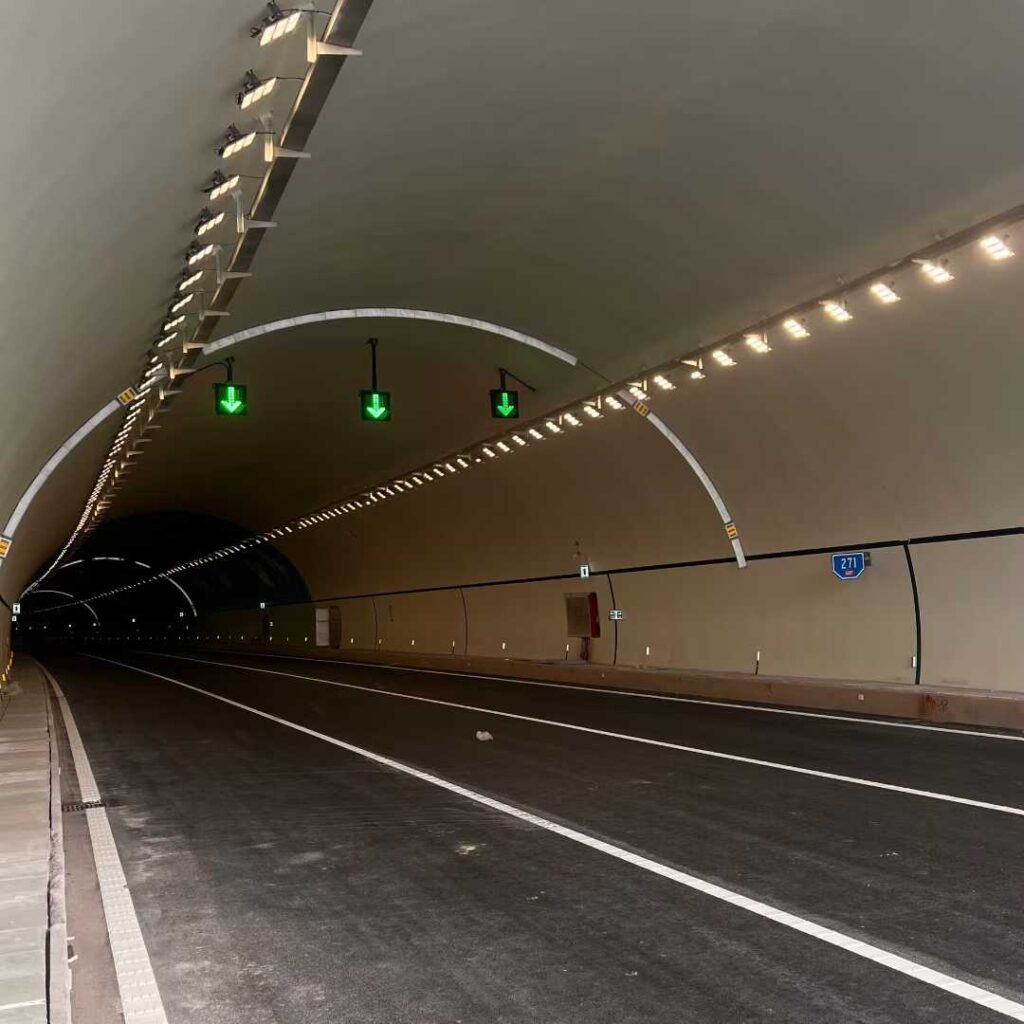
The installation environment of Shixia Tunnel presents typical challenges in municipal drainage systems, including high humidity, corrosive conditions, and complex signal reflections. The mid-tunnel humidity remains above 95%, with local condensation droplets forming on surfaces, leaving devices covered by water films for extended periods. The sumps are confined spaces, limiting installation angles, and their interior consists of irregular concrete surfaces, easily causing multiple echo reflections. Furthermore, the drainage channels experience water surface fluctuations, floating debris, and flow disturbances, making water levels unstable.
During project discussions, Shenzhen Jiwei Automations Ltd’s technical team analyzed the site conditions and provided targeted solutions:
- High-frequency radar band – effectively penetrates humid air and condensation layers, maintaining stable echoes.
- Dynamic echo tracking algorithm – adapts to water surface disturbances and stray echoes.
- 316L stainless steel antenna housing – resists humid air and weakly acidic water conditions.
- Dead zone optimization – ensures continuous measurement even at low water levels.
- Non-contact design – prevents measurement errors caused by silt, floating debris, or rust.
- Bluetooth mini-program and APP (Jiwei SmartControl®) – supports remote data monitoring, historical trend viewing, and alarm notifications, enabling real-time water level control from mobile devices.
Based on these advantages, the integrator confirmed the procurement of Jiwei PRO series JWrada-34 radar level meters, which were installed at the east and west sumps of the tunnel and in the pump room sump.
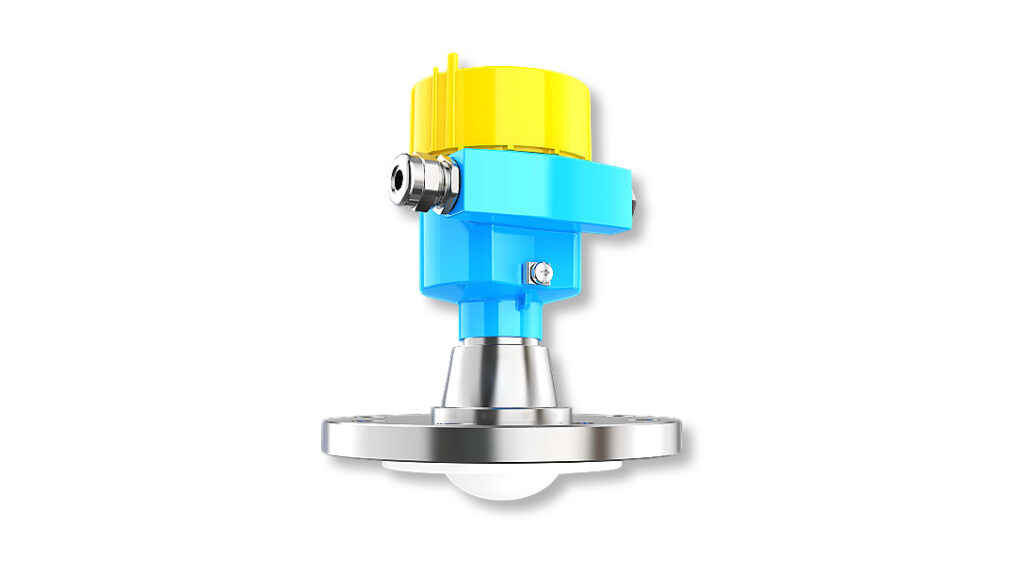
Jiwei PRO Series: JWrada-34 Radar Level Meter
Installation and Commissioning: From Device Positioning to Signal Integration
To ensure measurement accuracy, the radar level meters were precisely positioned during installation. For example, the mid-tunnel sump is approximately 3.2 meters deep, with sensors mounted on the top flange, maintaining a working measurement range of 2–3 meters above the water surface. Shenzhen Jiwei Automations Ltd personnel guided the on-site team to complete:
- Transmitter angle calibration
- Dead zone parameter configuration
- Threshold filtering setup
- High-level alarm point configuration
- Pump station start/stop logic verification
During commissioning, the devices were tested under both static and dynamic water conditions. Even when the water surface was disturbed by pump flow, the echo curve remained clear, with stable signal output and smooth, continuous water level readings. During high-flow drainage tests, water levels dropped from 3.2 meters to 2.4 meters, with measurement errors controlled within ±1 mm. The JWrada-34 radar level meter demonstrated reliability that met the project’s expectations for municipal drainage conditions.
System Integration Testing: Pump Automatic Start-Stop Control
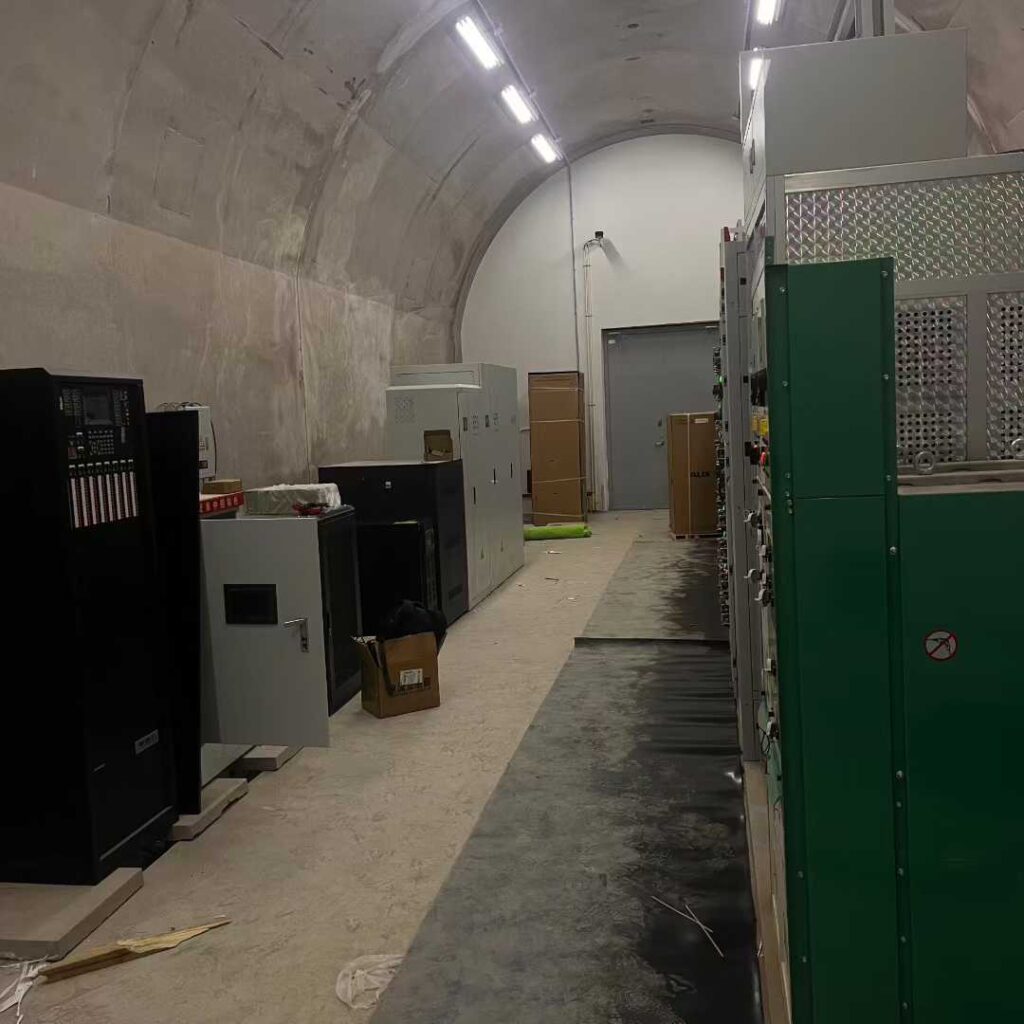
The JWrada-34 radar level meter outputs a 4–20 mA signal to the pump station control system, feeding real-time water level data into the PLC. When the sump water level rises to the preset threshold, the drainage pump automatically starts. When the water level drops to the designated lower point, the pump stops automatically.
Field testing at Shixia Tunnel showed:
- Radar meter data feedback perfectly matched pump start/stop sequences
- Pump control logic remained stable and reliable
- No sudden signal jumps or lost data
- No false alarms or phantom high-level signals
During trial operation, nighttime inspection personnel could monitor water level trends in real time from the control room, providing essential support for tunnel management.
Project Results: Long-Term Safety Assurance for Tunnel Operation
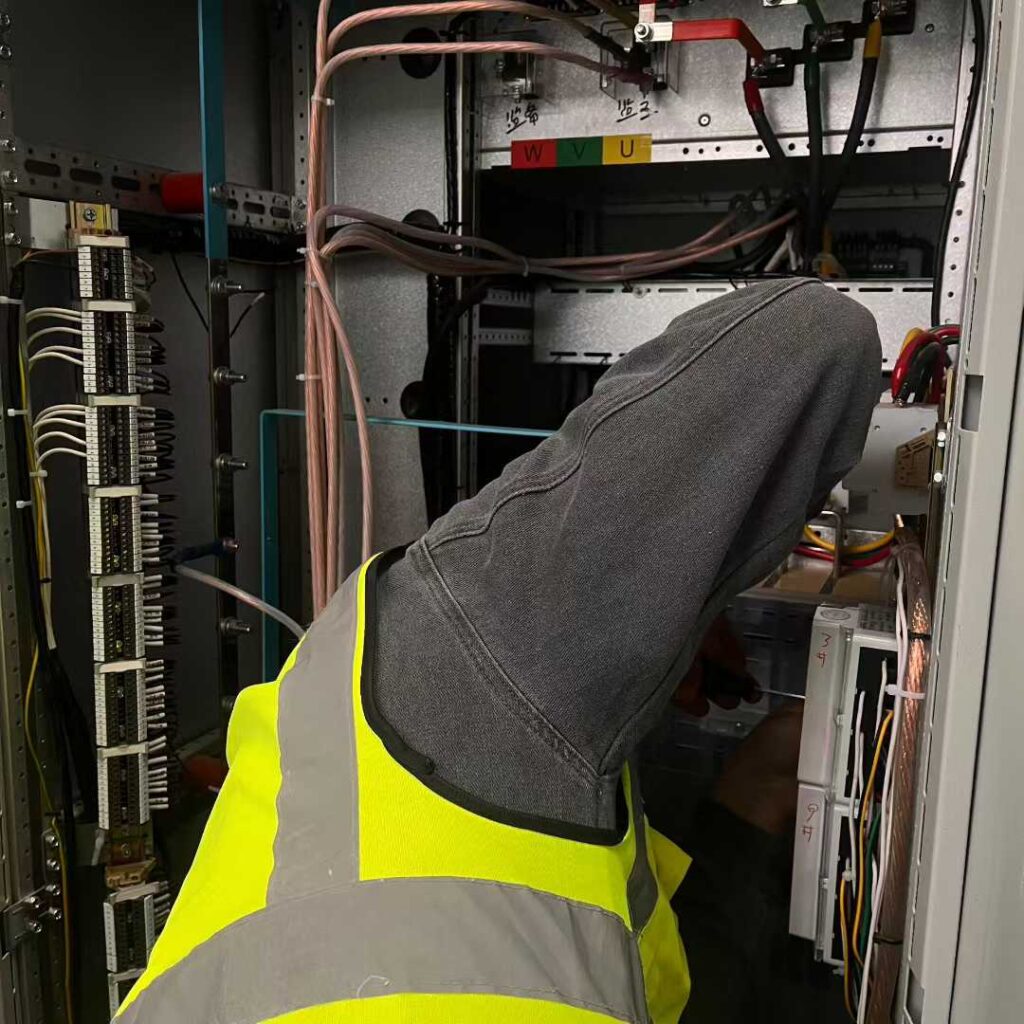
As Shixia Tunnel approaches opening, the drainage system is a key measure to ensure safe operation. The integration of JWrada-34 radar level meters from Shenzhen Jiwei Automations Ltd provides the system with:
- Reliable operation – suitable for humid and confined environments, requiring minimal maintenance
- Real-time response – rapid detection of water level fluctuations with continuous data
- Stable signals – unaffected by water surface disturbances, condensation, or vapor
- Strong compatibility – seamless integration with tunnel PLC and pump station systems
- Long service life – non-contact measurement avoids wear and corrosion
- Risk prevention – enables high-level alarms and automatic drainage interlocks
The system is scheduled to be fully operational before the flood season. Tunnel operators plan to integrate water level data into a remote smart monitoring system for trend analysis, enhancing traffic safety under extreme weather conditions.
Conclusion: Reliable Measurement Solution for Municipal Drainage
The Shixia Tunnel project demonstrates the adaptability of Shenzhen Jiwei Automations Ltd PRO series JWrada-34 radar level meters in municipal drainage applications, providing a reference for similar projects. As mountainous highway construction continues nationwide, underground tunnel drainage, water accumulation monitoring, and automated flood control systems will become increasingly common. Non-contact radar measurement solutions, with advantages such as high stability, low maintenance cost, and continuous reliable signals, are expected to play a larger role in this field.
Through the Shixia Tunnel project, Shenzhen Jiwei Automations Ltd once again proved its engineering capability and product reliability in industrial level measurement, contributing to the safe operation of urban infrastructure.