Reliable Coastal Tide Monitoring in South Africa with Jiwei JWrada® MINI 21 Radar Level Meters
Introduction: The Harsh Test at the Confluence of Two Oceans
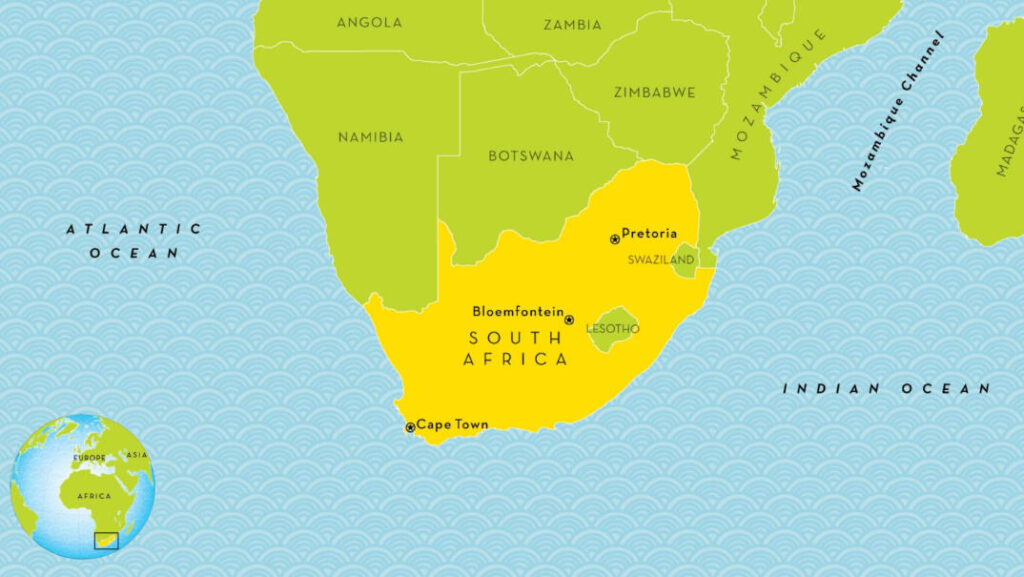
South Africa, located at the southernmost tip of the African continent and often called the “Rainbow Nation,” not only boasts world-class landscapes such as Table Mountain in Cape Town and the Cape of Good Hope, but also occupies a unique geographic location where the Atlantic and Indian Oceans converge. Here, the Benguela Current and the Agulhas Current collide, creating a rich and diverse marine ecosystem while presenting extremely complex and hazardous hydrological conditions. To ensure safe navigation and accurate tide monitoring, radar level meters are deployed along the coast to provide continuous, high-precision water level measurements under these challenging conditions.
For South Africa’s national hydrological monitoring network, accurately monitoring tidal variations in this turbulent and highly dynamic marine environment is not only a lifeline for maritime safety but also a crucial defense against storm surges and a key measure in responding to global climate change and protecting coastal cities. Recently, South African water and marine authorities launched a large-scale tide monitoring upgrade project aimed at establishing a wider, more precise, and intelligent monitoring network. In this ambitious initiative, the Jiwei JWrada® MINI 21 radar level meter has been successfully deployed at key coastal monitoring stations, leveraging its exceptional hardware performance and proprietary software to provide a smart and reliable defense for these vibrant waters.
I. Industry Challenges: Real Difficulties in Coastal Monitoring
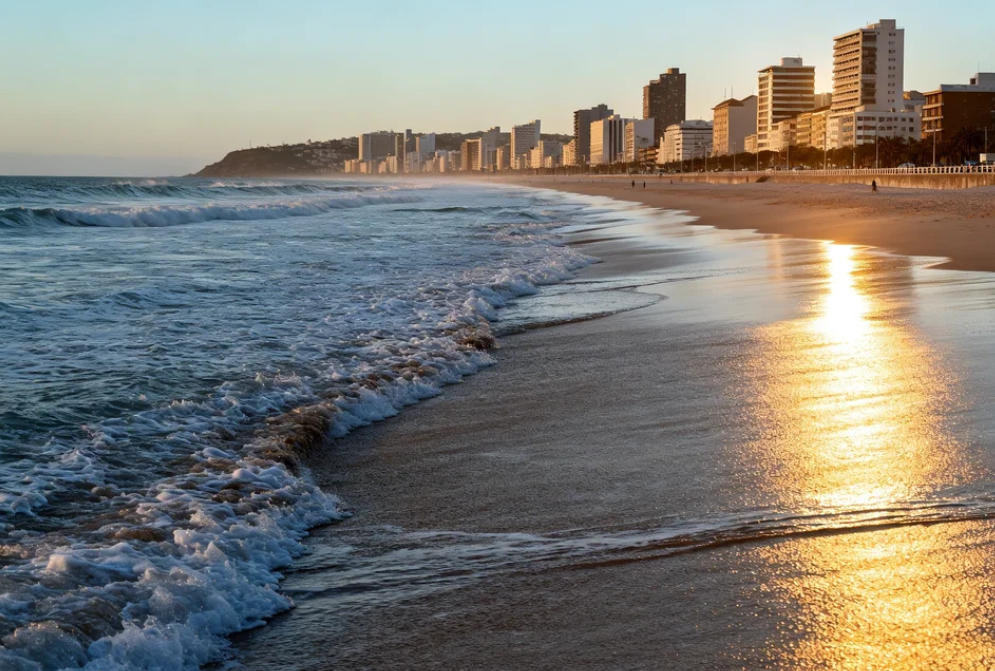
South Africa has over 3,000 kilometers of coastline, with major port cities such as Durban, Port Elizabeth, and Cape Town. With global climate warming, extreme weather events are increasingly frequent, and coastal flooding, storm surges, and abnormal waves pose significant threats to coastal infrastructure and local communities.
However, building a comprehensive water level monitoring network faces several challenges:
Extreme marine environmental interference: The southern seas of South Africa are notorious for strong waves and violent winds, with frequent sea surface fluctuations. Persistent high-salinity sea spray demands excellent corrosion resistance and anti-interference capabilities from monitoring equipment. Traditional ultrasonic or contact water level meters often experience signal drift or loss in strong wind, heavy rain, or waves, failing to provide stable and reliable tidal data.
Large geographic span and high maintenance costs: Many monitoring stations are located in remote nature reserves or on cliffs, such as the edges of the Namib Desert in the west coast or isolated beaches along the eastern coast. Dispatching engineers for onsite maintenance is time-consuming, labor-intensive, and costly.
Data transmission and compatibility challenges: With the acceleration of smart water infrastructure, monitoring centers require real-time integration of data into SCADA systems or cloud platforms. Older equipment often suffers from protocol incompatibility or outdated interfaces, making remote monitoring difficult.
Given these challenges, South African project operators urgently needed a radar level meter that could withstand harsh environments while offering intelligent remote management capabilities. The Jiwei JWrada® MINI 21 emerged as the ideal solution.
II. Hardware Breakthrough: The Foundation for All-Weather Precision Measurement
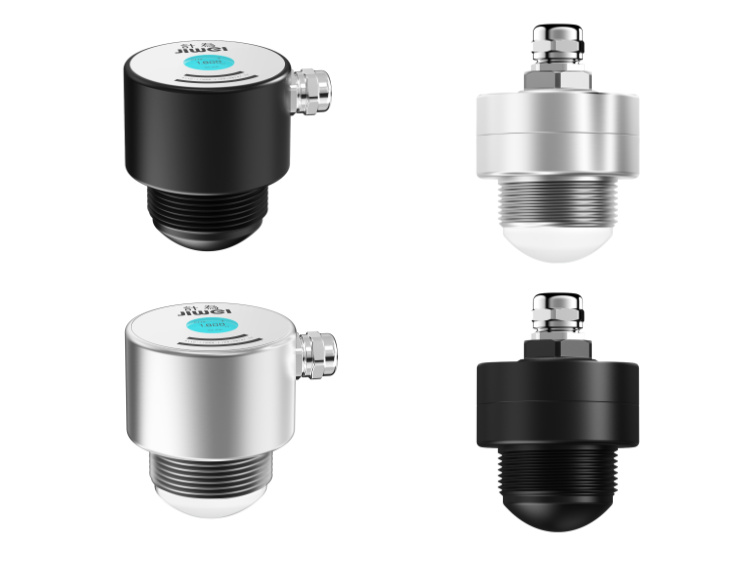
The Jiwei JWrada® MINI 21 radar level meter uses advanced non-contact measurement principles, emitting and receiving high-frequency microwave signals via an antenna to calculate water level height. This method is unaffected by temperature gradients, steam, dust, or surface foam, making it perfectly suited for South Africa’s complex and variable coastal climate.
1. Exceptional protection and durability
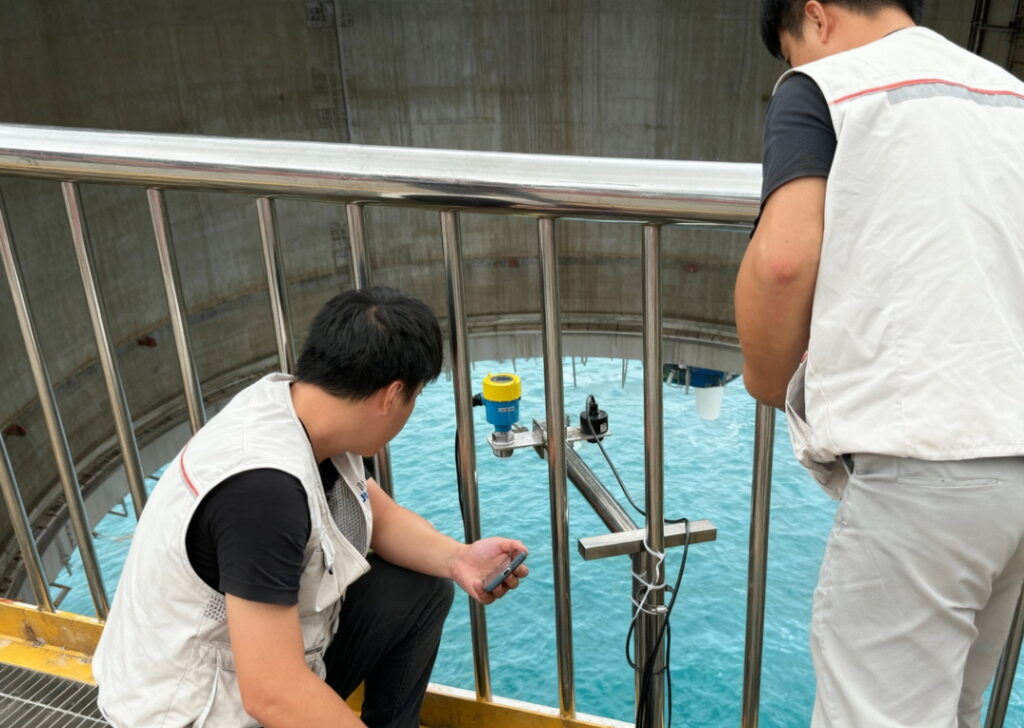
Facing high salt spray and humidity along the South African coast, the JWrada® MINI 21 uses high-strength corrosion-resistant materials for both probe and housing. The device achieves IP66/IP68 protection, ensuring stable operation even under long-term immersion or flushing. Its compact and lightweight design allows single-person installation in constrained locations such as breakwaters in Durban or rocky shores near Cape Town.
2. Flexible communication protocol support
To adapt to infrastructure variations across South Africa, the JWrada® MINI 21 provides multiple output options:
- Two-wire 4–20 mA / HART: Suitable for traditional signal transmission systems, easy to wire, strong anti-interference, and ideal for long-distance transmission.
- Four-wire RS485 / Modbus: Perfectly matches modern digital monitoring stations, enabling real-time water level data upload to South Africa’s national hydrological information system for remote aggregation and analysis.
This flexible configuration allows seamless integration into both legacy and new monitoring networks.
III. Core Competitiveness: Software Empowerment and Remote Maintenance Revolution
If the robust hardware of the JWrada® MINI 21 is its strong body, then its proprietary software system is its intelligent brain. In the South African project, software advantages became a key factor in choosing Jiwei, representing a core competitive edge not found in domestic or international alternatives.
1. Bluetooth v5.4: Convenient on-site debugging
Many coastal monitoring stations are in harsh environments. Opening the device for adjustments under high winds is challenging and risks compromising the device’s sealing. The JWrada® MINI 21 supports Bluetooth® v5.4, allowing maintenance personnel to perform parameter settings, process debugging, and fault code checking from a safe distance without opening the device, greatly improving safety and reducing maintenance time.
2. Cloud-based remote debugging: Breaking spatial and temporal barriers
This is the most notable innovation of the JWrada® series and the key solution to South Africa’s geographic and maintenance challenges.
- One-on-one remote collaboration: When a remote coastal device encounters anomalies, engineers do not need to travel long distances. Jiwei experts can directly collaborate with on-site personnel via cloud servers, monitoring device status in real time.
- Real-time echo and EFT curve analysis: The software generates and returns echo and EFT curves, analogous to “CT scans” for radar waves on the sea surface. For example, near the Cape of Good Hope, interference from passing ships or buoys appears as abnormal peaks on the echo curve, which engineers can analyze to pinpoint the source.
- Customized algorithm optimization: Algorithms can be adjusted remotely for site-specific conditions. For South Africa’s long-period swell, engineers optimize filter algorithms to smooth wave fluctuations, ensuring the output reflects true tidal water levels rather than instantaneous wave heights. This level of site-specific customization is currently unmatched by other domestic manufacturers.
IV. Application Value: From Data Collection to Intelligent Decision-Making
Deploying the Jiwei JWrada® MINI 21 radar level meter in South Africa’s tide monitoring network provides not only more data but also a qualitative leap in monitoring capabilities.
1. Leap in data reliability
Thanks to high-precision radar measurement and intelligent algorithms, the MINI 21 achieves millimeter-level accuracy. It delivers stable signals even in heavy rain, dense fog, or nighttime, providing a solid foundation for marine surveying, satellite calibration, and research on phenomena such as El Niño and La Niña.
2. Revolutionary reduction in operational costs
Cloud-based remote debugging greatly reduces the frequency of on-site inspections. During commissioning, over 80% of initial fault alarms were resolved or confirmed remotely, eliminating the need for immediate field visits, saving significant travel and labor costs while improving system uptime and availability.
3. Building intelligent flood control and maritime systems
Combined with RS485/Modbus transmission, monitoring data is uploaded in real time to the South African National Hydrological Information System. When water levels reach alert thresholds, early warnings can be issued to coastal cities such as Durban and Cape Town, buying critical time for evacuations and port scheduling. Accurate tidal data also provides safe navigation references for large cargo ships.
V. Conclusion
In South Africa’s wild and dynamic coastal environment, water level monitoring is essential not only for research but also for safeguarding life and property. The Jiwei JWrada® MINI 21 radar level meter, with its rock-solid hardware, flexible communication interfaces, and cloud-based intelligent remote debugging technology, has successfully navigated the turbulent waters of the Indian and Atlantic Oceans.
It proves that Chinese-manufactured instrumentation can meet stringent industrial standards and, through software-defined digital innovation, solve real customer challenges. For South Africa and the global hydrological monitoring field, the JWrada® MINI 21 represents a highly reliable, intelligent, and cost-effective solution.