Rainy Season Protection for Industrial Instruments in Chemical Plants: Waterproofing, Condensation & Surge Protection
In chemical production, industrial instruments are a critical component for ensuring stable and continuous process operation. However, during the rainy season, issues such as moisture ingress, condensation, lightning surges, environmental corrosion, and cable insulation aging significantly increase the risk of instrument failure. Once signal drift or short circuits occur, it may not only cause production downtime but also lead to serious safety incidents.
Therefore, it is essential to establish a systematic protection strategy for industrial instruments in rainy environments. This system should not only prevent water ingress at the source but also comprehensively consider humidity control, electrical protection, and routine maintenance, forming a complete closed-loop system of “proactive prevention + real-time monitoring + emergency response”.
1. Source Control: Environmental Preparation and Waterproof Design
In rainy-season protection of industrial instruments, environmental control is the most fundamental and critical step. Only by minimizing the impact of water and moisture at the source can a reliable foundation be established for subsequent protection.
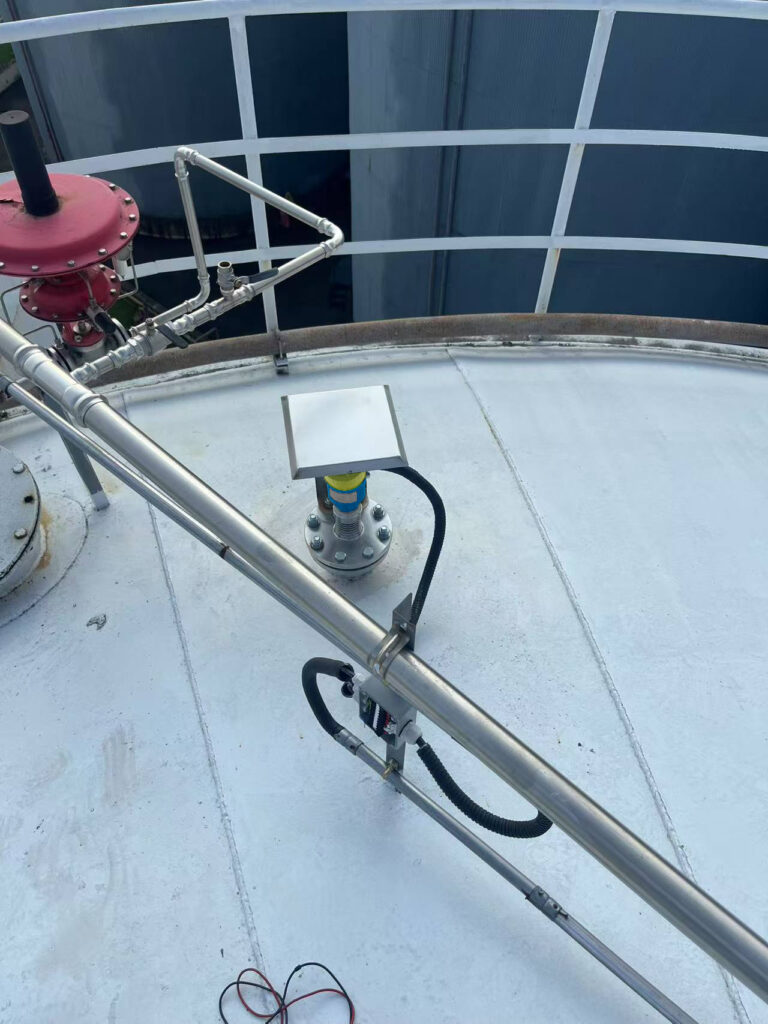
For outdoor instruments, a curved stainless steel rain cover should be installed at the mounting position, with a proper tilt angle to effectively block direct rainwater intrusion. Meanwhile, the installation height of the instrument should avoid low-lying or water-prone areas to reduce the risk of splashing and water accumulation. The surrounding environment must also ensure proper drainage to prevent long-term water retention.
For industrial instrument enclosures and junction boxes, overall protection can be improved through elevated base designs, splash-proof plates, and optimized sealing structures. For example, enclosures with drip edges and sealing gaskets, combined with drainage holes and rainproof ventilation systems, can maintain internal airflow while preserving sealing performance, thereby reducing condensation risks.
In addition, cable trenches and piping systems require systematic design. By implementing slope drainage structures, collection wells, and automatic drainage systems, rainwater accumulation can be effectively prevented. Pipe entry points should be sealed with waterproof materials to ensure that cables are not exposed to moisture before entering equipment. In corrosive environments, additional anti-corrosion coatings and isolation measures are necessary to extend system lifespan.
2. Humidity and Condensation Control: The Most Hidden Risk
In addition to direct water ingress, condensation is one of the most common yet often overlooked issues in rainy environments. When humidity is high and temperature differences exist, moisture condenses on or inside instruments, gradually leading to insulation degradation or even electrical short circuits.
To effectively control humidity, dehumidifiers and humidity alarm systems should be installed in control rooms or instrument cabinets, keeping humidity within a safe range. Desiccants should also be placed inside cabinets, with regular inspection and replacement to maintain moisture absorption.
For outdoor integrated instruments, models with built-in heating functions are recommended. When temperature drops or humidity increases, the heating system activates automatically, effectively preventing condensation. This active temperature control design is particularly important in rainy environments.
3. Instrument Protection: Sealing and Selection Determine Reliability
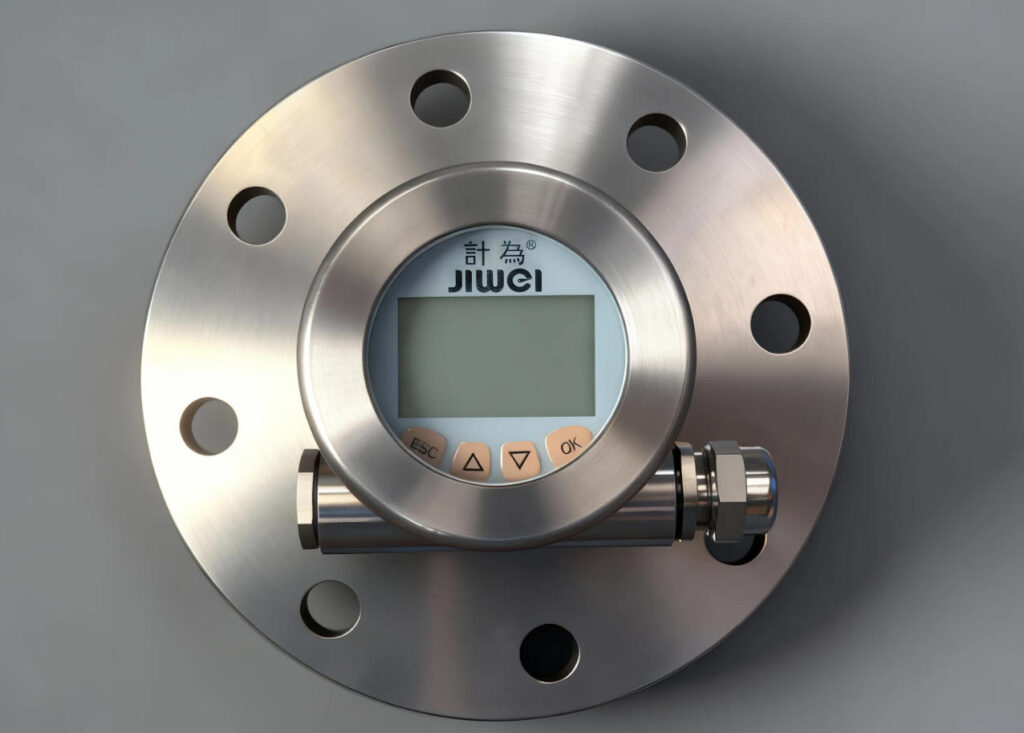
The sealing performance and proper selection of industrial instrument are the core elements of the protection system. Any weak point may become an entry path for moisture or corrosion.
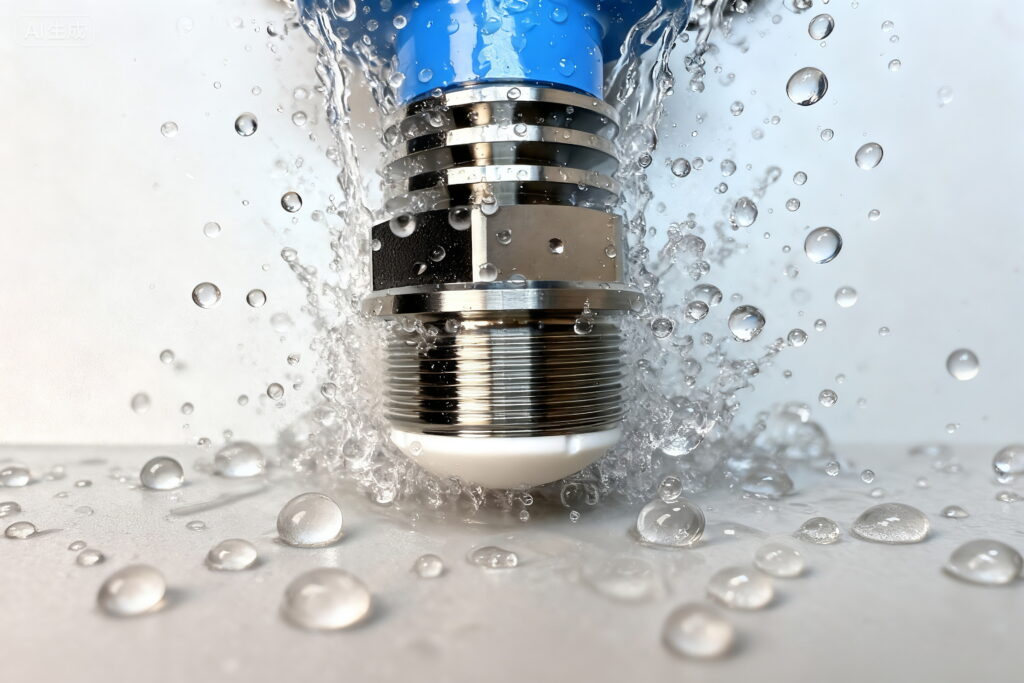
In terms of sealing, all connection points must be properly secured. High-performance gaskets, standardized cable glands, and waterproof junction boxes should be used to prevent moisture ingress. Cable entries should be further sealed with waterproof tape and heat-shrink tubing to form multiple layers of protection.
For sensor-type industrial instruments, special attention should be given to interface sealing structures. For example, dual O-ring designs significantly improve sealing reliability. Cables should also be protected with metal conduits or protective sleeves to prevent mechanical damage.
Regarding selection, the protection rating is crucial. For general outdoor environments, IP65 or higher is recommended; for frequent rain or temporary immersion, IP67 is preferred; for coastal or highly corrosive environments, IP68 with anti-corrosion coating is required.
For temperature, pressure, and level measurement instruments, diaphragm-sealed or waterproof-vented designs should be prioritized to effectively prevent micro-leakage and improve long-term reliability.
4. Electrical Protection: Dual Defense Against Surge and Insulation Failure
During the rainy season, lightning-induced surges pose a major threat to industrial instruments. Transient high voltage can easily damage equipment or even cause system failure.
Therefore, surge protective devices (SPDs) must be installed in critical circuits. For signal loops such as 4–20mA or RS485, high-speed signal SPDs should be used; for power lines, SPDs with higher surge capacity are required. Each outdoor instrument should have an independent protection device to avoid shared risk.
Grounding systems are equally important. A unified grounding network with compliant grounding resistance can effectively dissipate surge energy and reduce equipment damage. Signal grounding and power grounding should be properly separated to avoid interference.
In terms of cables, armored waterproof cables should be used to enhance both mechanical strength and insulation performance. Before the rainy season, insulation resistance tests should be conducted to ensure system reliability.
5. Inspection and Maintenance: Continuous Monitoring Ensures Stability
Even the best design cannot ensure long-term stability without proper maintenance. Therefore, a comprehensive inspection and maintenance system is essential.
During daily inspections, attention should be paid to water ingress signs, loose connections, and cable conditions. Instrument signals should be monitored for stability to detect any abnormal changes.
For periodic maintenance, a full inspection should be completed before the rainy season, including replacing aged sealing components and testing dehumidifiers and surge protectors. During the rainy season, inspection frequency should be increased, with emphasis on humidity levels and grounding conditions. After the rainy season, equipment should be dried and recalibrated if necessary.
6. Emergency Response: Rapid Action Minimizes Loss
When unexpected issues occur, rapid response is critical. For example, in cases of water ingress or short circuits, power should be cut immediately, followed by drying and insulation testing. In case of surge damage, SPDs should be checked and the system recalibrated. If condensation causes signal drift, heating and dehumidification should be applied to restore normal operation.
A standardized emergency response procedure helps personnel quickly identify and resolve issues, reducing downtime.
7. Conclusion: A Complete Rainy-Season Protection System
In summary, rainy-season protection for industrial instruments in chemical plants is not a single measure but a comprehensive system engineering approach. By integrating environmental control, sealing design, electrical protection, and maintenance management, risks such as water ingress, moisture, surge damage, and corrosion can be effectively reduced.
Only with a complete protection system can industrial instruments maintain stable and reliable operation during the rainy season, ensuring the safety and continuity of the entire production system. industrial instrumentindustrial instrument