Compact Radar Level Transmitter for Tight Installation Spaces | JWrada®-31
In modern industrial production environments, level measurement conditions are often far more complex than expected. Many vessels are not originally designed with sufficient space for instrumentation, particularly in retrofit projects or compact systems where level devices must be installed within extremely limited nozzle distances. Under such circumstances, achieving stable and reliable level monitoring without modifying the existing structure has become a key concern for engineers and system integrators.
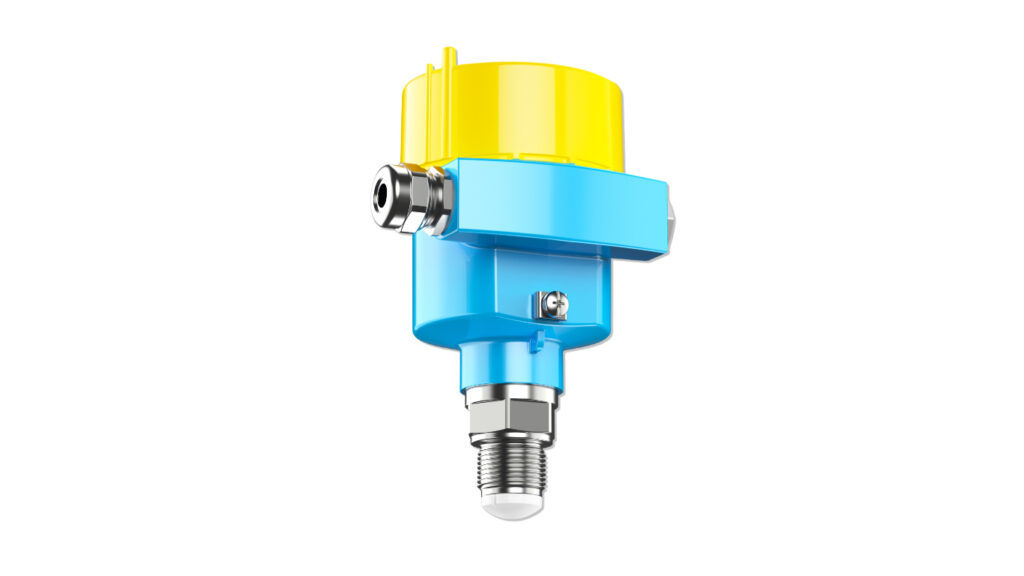
To address this industry challenge, Shenzhen Jiwei Automations Ltd has introduced the JWrada®-31 Radar Level Transmitter. Featuring a compact structural design and an exceptionally small process connection, the instrument provides a practical solution for level measurement in confined spaces. It combines high-frequency radar performance with minimal installation requirements, effectively overcoming the limitations that prevent traditional radar devices from being mounted on vessels with narrow nozzles.
Small Size, Powerful Capability
Conventional radar level transmitters are often associated with large antennas and significant installation space, especially in applications involving long measuring ranges or complex media. However, continuous advancements in microwave technology, antenna engineering, and signal-processing algorithms are reshaping this perception, enabling radar instruments to become significantly more compact without sacrificing performance.
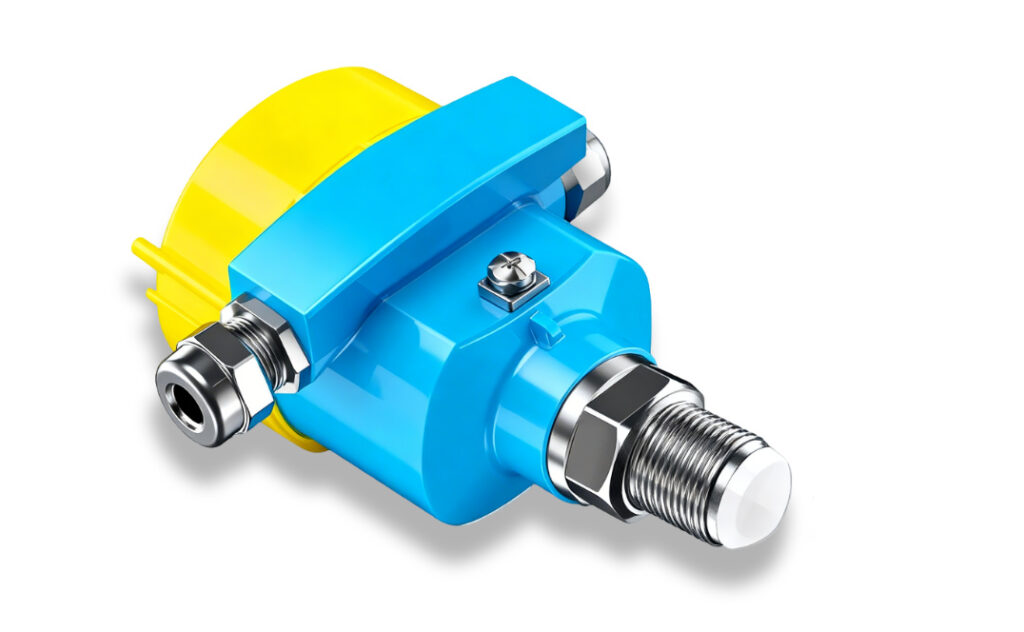
The JWrada®-31 features a lens antenna with a diameter of only 16 mm. Together with its compact process connection, this design allows the transmitter to be installed in locations where standard radar devices simply cannot fit. Whether applied to small storage tanks, dosing vessels, blending containers, laboratory equipment, modular production units, or pipe-mounted vessels, the JWrada®-31 ensures both installation feasibility and measurement reliability.
In scenarios where installation space is extremely limited and vessel tops are densely populated with equipment, the miniature antenna design means more than just “fit.” It eliminates the need for costly structural modifications, thereby reducing construction risks and overall project expenses from the outset.
Software as a Core Competitive Advantage
Software is a core strength of the JWrada® series, enabling remote commissioning and intelligent operation.
Beyond hardware performance, software capability has become an essential component of modern radar level measurement—and a defining competitive advantage of the JWrada® portfolio. The transmitter incorporates a comprehensive software architecture that supports firmware updates, condition-based commissioning, parameter configuration, and diagnostic code monitoring, significantly improving operational efficiency throughout the device lifecycle.
Notably, JWrada® radar level transmitters support a cloud-based remote commissioning mechanism. Engineers can collaborate with on-site personnel through a secure cloud server for one-to-one remote debugging, enabling real-time access to device status while viewing and analyzing echo curves and EFT curves simultaneously.
More importantly, the commissioning process can be tailored to actual operating conditions. Parameters can be optimized and algorithms refined according to vessel geometry, medium characteristics, and potential interference sources, ensuring that each device achieves optimal measurement performance within its unique environment. This remote collaborative capability is independently developed by Jiwei and currently represents a differentiated solution within the domestic market.
Process Connections Designed for Narrow Nozzles
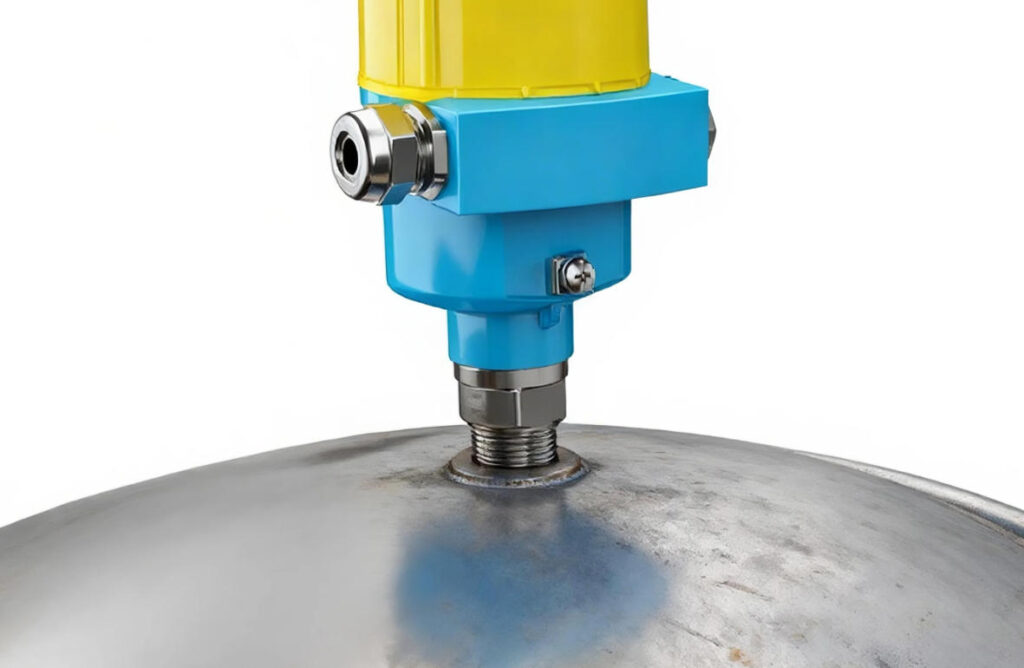
The JWrada®-31 is available with two small-thread process connections:
- G3/4″A thread (standard)
- 3/4″ NPT thread (optional)
The value of this compact connection extends far beyond reduced physical size.
Ideal for Equipment Retrofits
Many legacy vessels and pipelines are equipped only with small-diameter interfaces. Installing a large flanged radar transmitter often requires cutting, welding, or reinforcing the original structure—procedures that increase project complexity and may compromise mechanical integrity or sealing performance. The threaded design dramatically reduces modification work and accelerates upgrade schedules.
Reduced Mechanical Interference
In installations where multiple instruments must coexist within a confined area, large flanges frequently create clearance issues and complicate tool access. The compact connection of the JWrada®-31 enables more flexible positioning while simplifying both installation and maintenance.
Lower Installation Costs
Threaded mounting eliminates the need for heavy flanges, complex welding, and additional structural reinforcement. For engineering teams, this translates into more predictable project timelines, reduced uncertainty, and lower labor costs.
High Performance Despite the Miniature Antenna
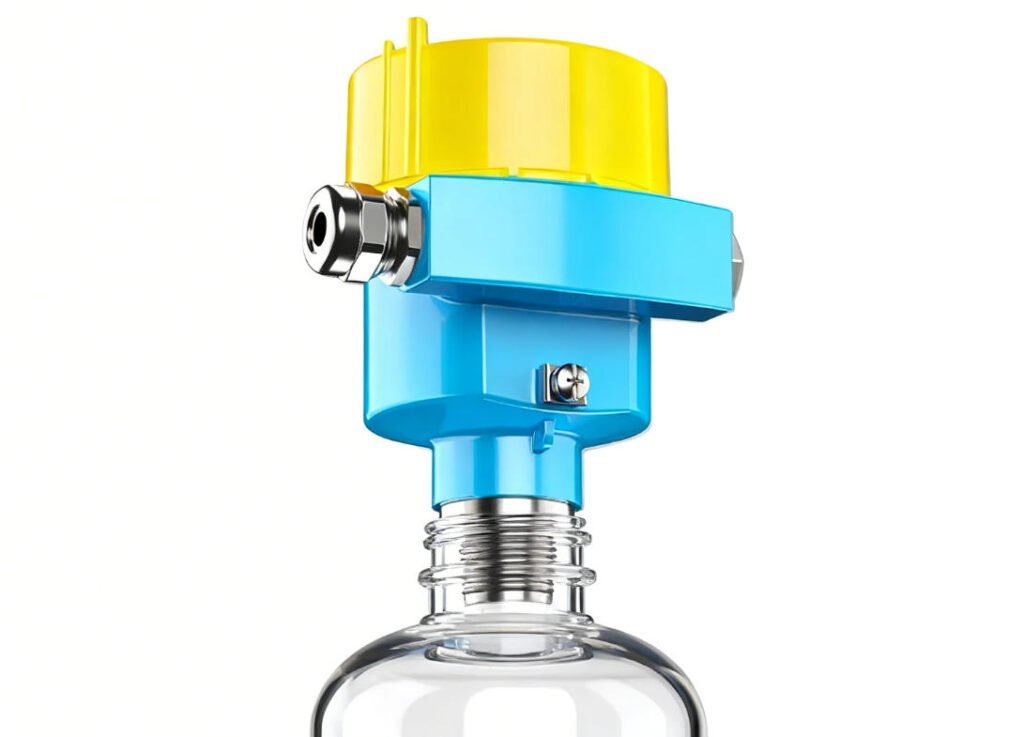
When first encountering compact radar devices, many users question whether a smaller antenna might compromise measurement stability. In practice, the JWrada®-31 leverages high-frequency radar technology to generate a highly focused beam with strong directivity, ensuring stable echo signals even in demanding environments.
The narrow emission angle helps avoid interference from internal structures while minimizing false echoes, thereby improving measurement accuracy. This makes the transmitter particularly suitable for challenging conditions such as:
- Vessels with complex internal structures
- Tanks equipped with agitators
- Media prone to buildup or adhesion
- Equipment with restricted installation space
Rather than sacrificing performance, the smaller antenna enables more concentrated signal energy, delivering stronger penetration and enhanced stability in confined geometries.
System-Level Benefits of a Compact Design
A compact instrument does more than simplify installation—it can positively influence the efficiency of the entire production system.
Greater design flexibility: For OEM manufacturers, smaller instrumentation allows for more adaptable layouts, supporting higher levels of modularization and integration without compromising measurement capability.
Simplified maintenance: Reduced size and weight make installation and replacement easier, particularly in elevated or space-constrained locations.
Fewer potential leak points: Smaller threaded interfaces are typically easier to seal reliably, contributing to long-term operational stability.
Although these advantages may appear incremental, they generate measurable value across the equipment lifecycle.
Meeting the Industry Trend Toward Compactness
Industrial equipment is steadily evolving toward higher integration and smaller footprints. From skid-mounted systems to modular plants, pilot units, and precision production lines, available space is becoming an increasingly valuable resource.
Measurement solutions capable of adapting to small openings, narrow nozzles, and compact vessels are no longer optional—they are a fundamental element of modern engineering design. The JWrada®-31 reflects this shift by allowing the instrument to adapt to the equipment, rather than forcing the equipment to accommodate the instrument.
Typical Applications
The JWrada®-31 is suitable for a wide range of industrial environments, including:
- Small fuel and chemical storage tanks
- Dosing, blending, and reaction vessels
- Laboratory and pilot-scale containers
- Modular process units and pipe-mounted vessels
- Industries such as oil & gas, chemical processing, food, pharmaceuticals, and water treatment
Whether for new installations or modernization projects, the transmitter delivers stable, reliable, and continuous level measurement.
Conclusion
In level measurement, installation feasibility often determines project success even before range or accuracy are considered. With its 16 mm lens antenna and G3/4″A / 3/4″ NPT threaded connections, the JWrada®-31 provides engineers with a flexible and dependable solution for confined spaces.
Small does not mean compromise, and compact does not mean less reliable. Choosing a radar level transmitter truly engineered for real-world conditions ensures that measurement remains installable, operational, and stable over the long term—ultimately delivering lasting value to industrial operations.