
Working Principle and Application Analysis of Flameproof Level Switches
In industrial instrumentation applications, many operating environments pose potential safety risks. Especially in locations involving flammable gases, combustible dust, and industries such as oil refining and petrochemical plants, even a minor fault may lead to serious explosion accidents. To ensure production safety, explosion-proof instruments must be used. Among them, flameproof (explosion-proof enclosure type) level switches are widely applied in industrial sites due to their high reliability and broad applicability.
This article systematically introduces the working principle, design features, and application advantages of flameproof level switches, helping users better understand and select suitable explosion-proof level measurement solutions.
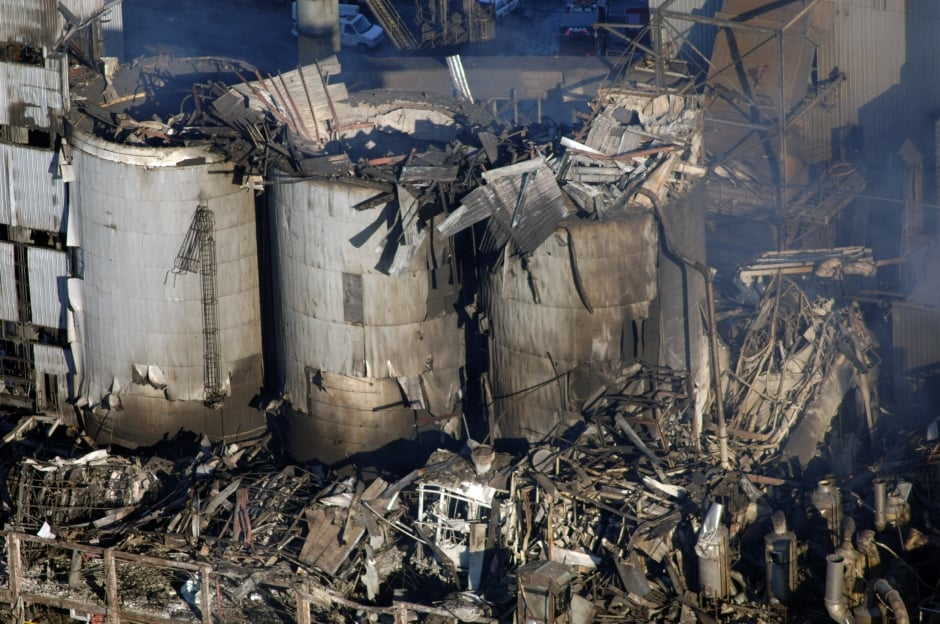
1. Basic Concept of Flameproof Level Switches
A flameproof level switch is an industrial instrument that achieves explosion protection through a flameproof enclosure. In simple terms, the core function of a flameproof enclosure is:
“An enclosure capable of withstanding the pressure generated by an internal explosion of an explosive gas mixture and preventing the transmission of the explosion to the surrounding explosive atmosphere.”
Such an enclosure not only protects internal electrical components but also ensures the safety of the entire operating environment. According to explosion protection standards, flameproof protection is a gap-based explosion protection technology, which relies on precisely controlled clearances and flamepath lengths to achieve cooling and flame quenching, thereby preventing sparks or high-temperature gases from igniting external flammable mixtures.
From this definition, it can be seen that the explosion-proof performance of a flameproof level switch depends heavily on the rigor and precision of its enclosure design. Therefore, the enclosure must meet two fundamental requirements:
1. Mechanical Strength of the Enclosure
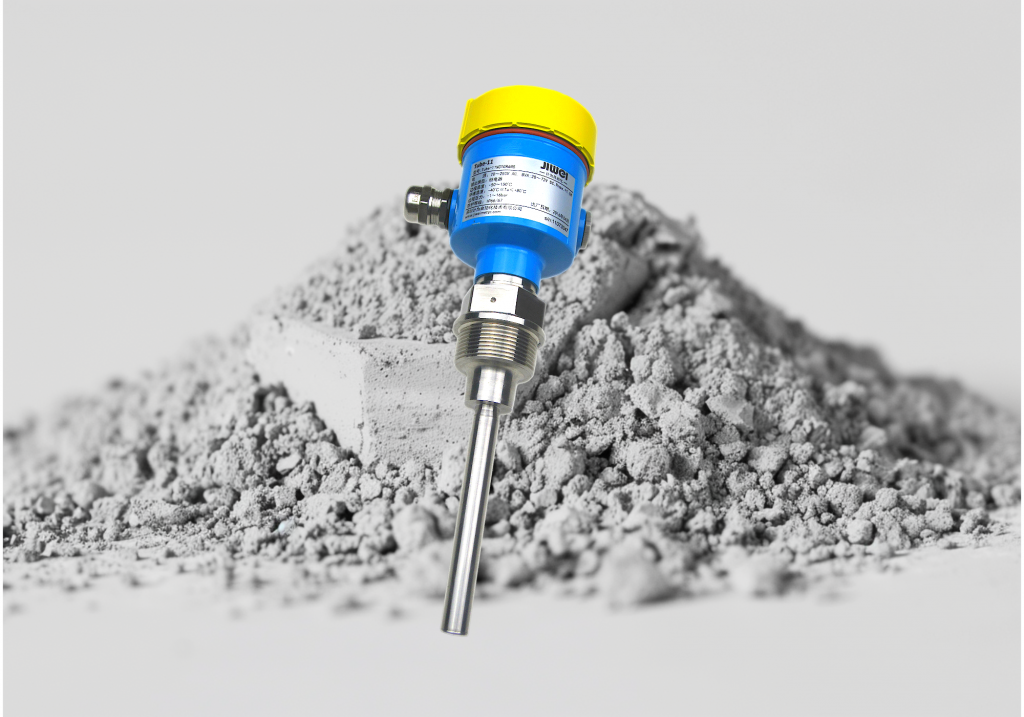
The enclosure must have sufficient mechanical strength to withstand internal explosion pressure without damage or permanent deformation. Any structural failure would compromise the flameproof performance and could allow the explosion to propagate outward, causing serious safety hazards. As a result, material selection, casting processes, and heat treatment are critical during the design and manufacturing of flameproof level switches.
2. Control of Joint Gaps and Flamepath Length
The mating surfaces of the flameproof enclosure must have sufficiently small gaps and adequately long flamepaths to ensure that explosion products—such as hot flames or incandescent particles—cannot escape and ignite the surrounding explosive atmosphere. This means every thread, joint, and interface of a flameproof level switch must be carefully designed and rigorously tested to ensure long-term, stable explosion protection.
Through these design principles, flameproof level switches can operate safely in high-risk flammable environments, effectively preventing accidents caused by electrical sparks or internal short circuits, and serving as a critical safeguard in industrial explosion protection.
2. Working Principle of Flameproof Level Switches
The core operating principle of a flameproof level switch is similar to that of a standard level switch—detecting the presence or level of material and outputting a control signal. However, in explosion-proof applications, all critical components are fully protected within a flameproof enclosure. Common types include:
1. Vibrating Rod Level Switch
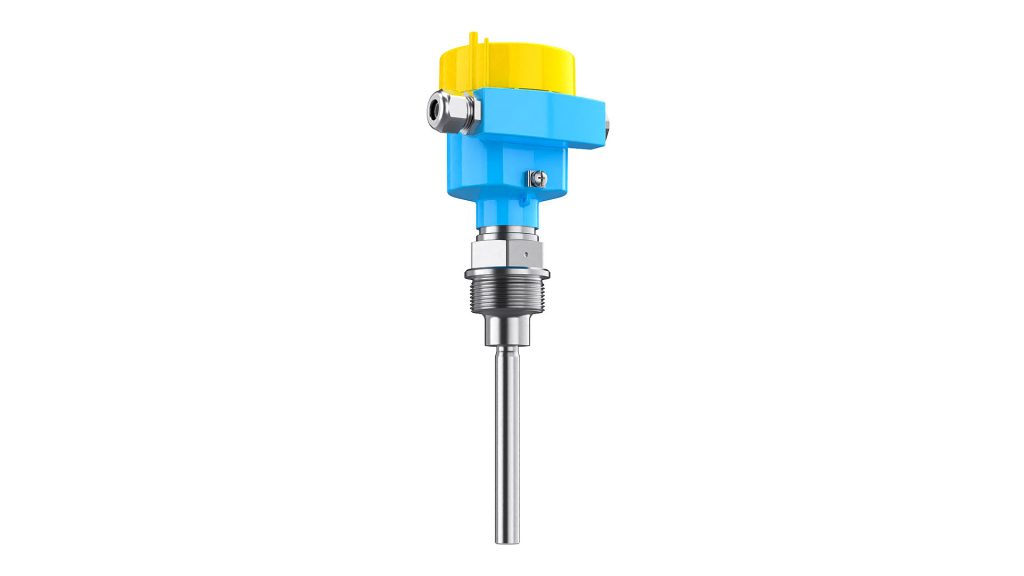
Vibrating rod level switches determine material presence by detecting changes in vibration frequency. When the rod comes into contact with material, vibration characteristics change due to damping. The electronic circuit detects this change and outputs a switching signal. Flameproof vibrating rod level switches protect the rod, vibration driver, and signal processing circuitry within a flameproof enclosure, ensuring reliable operation in dusty or flammable gas environments.
2. Tuning Fork Level Switch
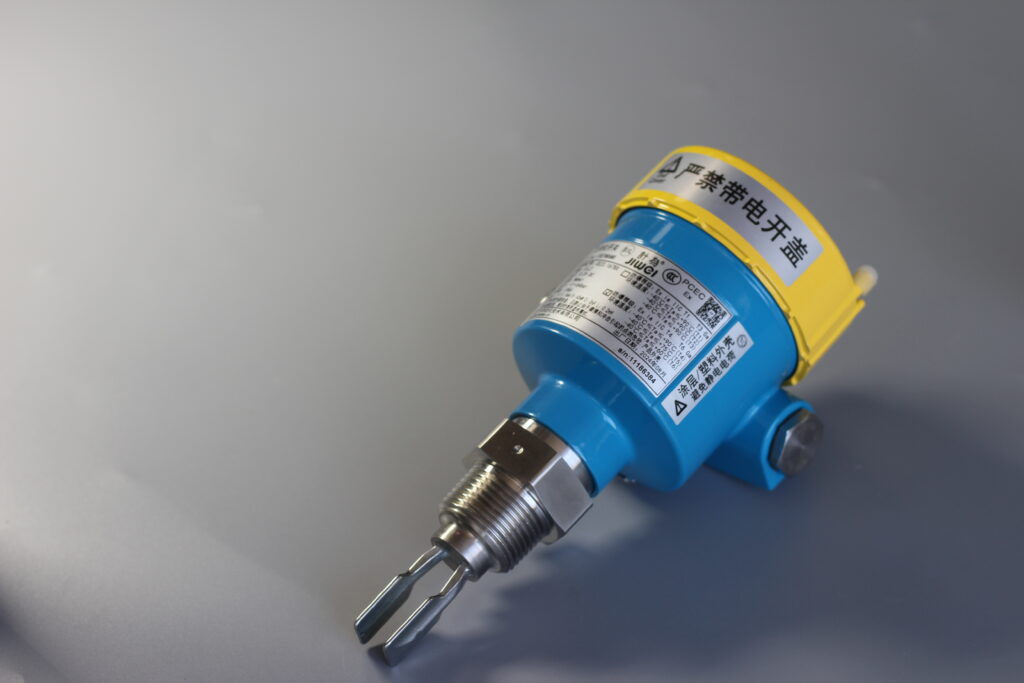
Tuning fork level switches utilize resonance characteristics for level detection. When the fork contacts material, its resonant frequency changes, triggering a switching signal. In flameproof designs, both the electronics and the tuning fork assembly are housed within a flameproof enclosure, effectively preventing sparks or high-temperature propagation and ensuring safe use in explosive atmospheres.
3. Tuning Fork Liquid Level Switches and Magnetic Switches

Tuning fork liquid level switches and magnetic switches operate on similar principles, detecting level changes through mechanical or magnetic signal variation. In flameproof configurations, these sensing elements are enclosed within flameproof housings, ensuring stable and reliable operation in hazardous areas.
4. Reed Switch Remote Transmitters
Reed switch remote transmitters combine reed contacts with flameproof enclosures to enable safe remote level or liquid level monitoring. Even in environments with strong electromagnetic interference and flammable gases, they provide stable, reliable signals and support automation systems and safety interlocks.
3. Application Advantages of Flameproof Level Switches
Flameproof level switches not only enhance site safety but also offer multiple practical advantages, making them indispensable instruments in high-risk industrial environments.
1. High Safety and Reliability
With precisely engineered flameproof enclosures, these switches can withstand internal explosion pressure and prevent the escape of sparks, high-temperature gases, or burning particles. This protection safeguards internal electronics and ensures the safety of operators and production sites. In hazardous environments, flameproof level switches operate continuously and reliably, significantly reducing explosion risks caused by electrical faults or signal disturbances.
2. Wide Application Range
Flameproof level switches are suitable for a variety of high-risk industries, including oil refining, chemical processing, coal handling, steel production, port logistics, and rail-side silos. They can be applied in gas explosion zones as well as combustible dust environments, providing reliable level detection for tanks, silos, and reactors across diverse processes.
3. High Stability
Beyond explosion protection, internal vibrating rods, tuning forks, or magnetic sensing elements are optimized for accurate material detection. Even under high temperature, high humidity, or strong vibration conditions, flameproof level switches maintain stable operation with low false alarm rates, reducing downtime and maintenance costs while supporting continuous production.
4. Easy Maintenance
Constructed with robust materials and reliable sealing technologies, flameproof level switches offer long service life and reduced maintenance frequency. Their rational structural design enables straightforward installation and inspection, ensuring safe and efficient maintenance without compromising explosion protection.
5. Automation System Compatibility
Flameproof level switches can be seamlessly integrated with PLC and DCS systems, enabling remote monitoring, data acquisition, and automated process control. Through reliable signal outputs, users can implement automatic alarms, interlocks, and remote diagnostics, improving operational efficiency and reducing manual intervention.
4. Industry Application Examples
Taking Shenzhen Jiwei Automations Ltd as an example, its flameproof vibrating rod level switches, tuning fork level switches, tuning fork liquid level switches, magnetic switches, and reed switch remote transmitters have all obtained national flameproof certification and are widely used in:
- Oil refining and petrochemical industries: Monitoring tank and reactor levels to prevent explosive gas leakage.
- Coal handling and port logistics: High and low level detection in coal and ore silos to ensure safe transportation and loading.
- Steel production: Level monitoring of coke and ore bins to improve production continuity and equipment safety.
- Rail-side logistics silos: Reliable operation under strong vibration and electromagnetic interference conditions.
These applications demonstrate how flameproof level switches enhance site safety while expanding the scope of level measurement solutions in industrial environments.
5. Conclusion
With their specialized flameproof enclosure design and precise sensing principles, flameproof level switches are the preferred choice for industrial instrumentation in flammable gas and dust environments. By meeting the dual requirements of enclosure mechanical strength and controlled flamepath clearances, they ensure safe and stable operation under extreme conditions.
The vibrating rod level switches, tuning fork level switches, tuning fork liquid level switches, magnetic switches, and reed switch remote transmitters from Shenzhen Jiwei Automations Ltd have all obtained official explosion-proof certification, helping customers achieve safe, reliable, and continuous production while providing robust protection for industrial safety.
Explosion-Proof Level Switch, Flameproof Level Switch, Vibrating Rod Level Switch, Tuning Fork Level Switch, Tuning Fork Liquid Level Switch, Level Switch, Explosion-Proof Certification, Industrial Instrumentation, Flammable Gas, Combustible Dust, Oil Refinery, Petrochemical Plant, Coal Silo, Ore Silo