Canadian Winter Deicing Liquid Storage: Eliminating Inventory Blind Spots with Radar Level Transmitters
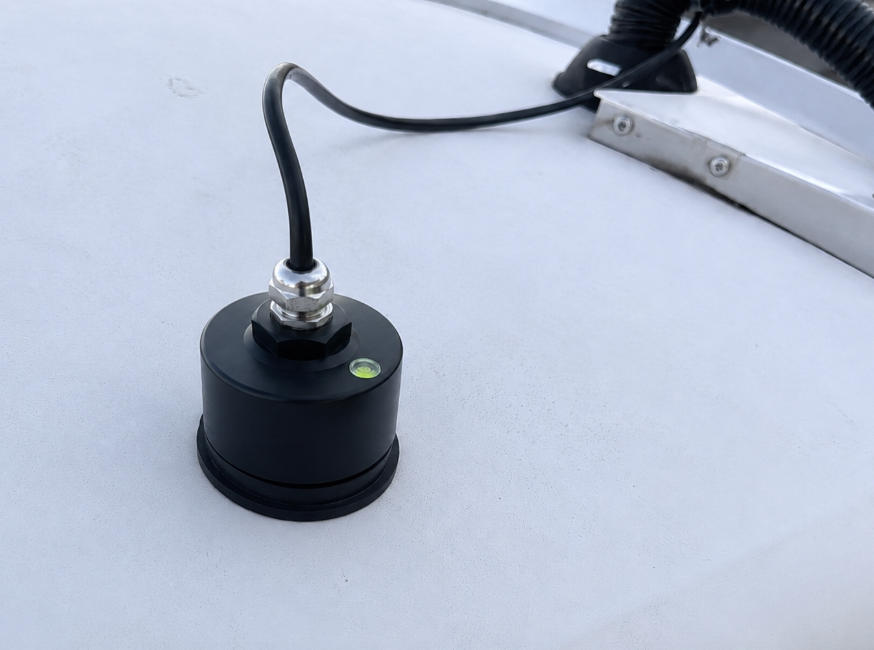
In Canada’s extreme cold winter road maintenance operations, ensuring a continuous and stable supply of beet juice and brine mixture for anti-icing is critical for transportation infrastructure security. However, under severe blizzard conditions—precisely when storage and logistics sectors require real-time and accurate inventory data—traditional contact-based level monitoring systems often fail due to environmental disturbances. Installing Jiwei radar level transmitters (JWrada-21) eliminates these blind spots, providing non-contact, highly accurate level measurement that ensures safe and efficient winter road operations.
For a long time, inventory control in this field has relied heavily on high-risk manual labor or mechanical level gauges. In extreme winter weather, operators scaling storage tanks dozens of meters high to perform manual visual inspections are not only inefficient but also highly vulnerable to occupational hazards such as high-altitude falls. In contrast, automated mechanical float systems introduce significant uncertainty in actual operations. Due to the high viscosity and high sugar accumulation characterizing beet juice mixtures, mechanical transmission components like floats are highly susceptible to jamming and blocking. When the ambient temperature plummets to –25°C, the float assembly easily freezes and bonds with the ice layer on the liquid surface. This locks the measurement pointer at a high position, sending a false full-tank signal to the management system and leaving operators blind to the fact that the anti-icing fluid is nearly depleted.
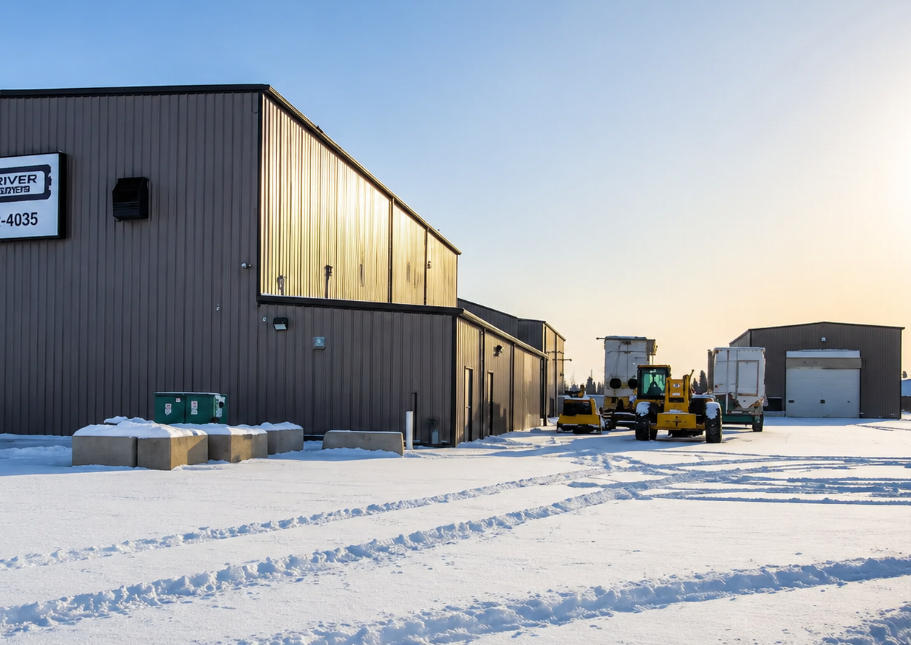
The introduction of non-contact radar measurement technology has fundamentally reshaped this industrial monitoring process. By deploying the Jiwei JWrada-21 Radar Level Transmitter, provincial transportation management departments have completely eliminated the root causes of failure stems from physical displacement and mechanical motion. The system contains no moving parts vulnerable to temperature variations. Instead, it utilizes high-frequency microwave signals to penetrate tank vapor and ignore surface icing, achieving high-precision continuous level measurement. Field technicians can perform remote wireless Bluetooth configuration via the JW Tools App, completing data verification and parameter tuning safely and efficiently from the ground. This technological upgrade from mechanical dependence to digital radar telemetry transforms winter asset management from high-risk empirical estimation into an automated, precise science driven by data.
Technical Analysis: Failure Mechanisms of Mechanical Level Gauges in –25°C Beet-Brine Conditions and the Application Advantages of Radar Level Transmitters
In industrial tank farm storage management, formulations combining beet juice and brine for highway deicing introduce two critical process variables: high fluid viscosity and extreme low-temperature environments. Analyzing the root causes of frequent inventory data errors in storage and transportation facilities during harsh winter weather points primarily to the physical limitations of contact-based level instruments under complex material properties.
The failure mechanisms of traditional contact-based monitoring infrastructure manifest primarily in two dimensions:
System Failure Induced by Mechanical Freezing and Medium Adhesion
Beet juice contains a high concentration of sugar solids, which easily crystallize and deposit on the inner walls of storage tanks and the surfaces of instrument measurement components during operation. As the mechanical float moves up and down with level fluctuations, the viscous residue generates immense mechanical frictional resistance, causing physical jamming of the transmission mechanism. More critically, under extreme ambient temperatures of –25°C, any condensation adhering to the surface of the float rod or guide wire freezes instantly. This bonds the sensor assembly to the surface ice layer, forcing the output signal to lock at a high level and causing total distortion of inventory monitoring data.
Environmental and Safety Risks Introduced by Manual Intervention Mechanisms
When automated mechanical instruments suffer the aforementioned failures, field operations must default to emergency manual inspection. This requires personnel to climb storage vessels nearly thirty meters high in near-zero visibility during blizzards to perform visual estimations. Disrupted by internal tank vapor, poor lighting, and internal scaling, manual inspections suffer from extremely low measurement accuracy. Furthermore, under icy winter conditions, this practice severely inflates safety liability risks regarding slips and high-altitude falls.
The key to eliminating this systemic safety vulnerability lies in achieving complete physical isolation between the level instrument and the measured medium. The Jiwei JWrada-21 Radar Level Transmitter bypasses the physical limitations imposed by fluid viscosity and extreme low temperatures through its top-down, non-contact microwave measurement principle. Because the radar signal launching end never comes into direct contact with the crystallizing beet mixture, component jamming, freezing, and chemical corrosion are prevented at the source. By resolving the underlying physical mechanisms of level measurement failure, the radar level sensor ensures that management personnel can obtain highly reliable tank level metrics in real time without sending workers up frozen ladders at high altitudes.
Comparison of Key Performance Indicators and Technical Solutions
To provide a more direct demonstration of the practical benefits brought by this technological upgrade, the performance of the Jiwei JWrada-21 Radar Level Transmitter is quantitatively compared with traditional measurement methods under extreme operating conditions below:
| Evaluation Dimension | Traditional Manual Visual Method | Traditional Mechanical Float System | Jiwei JWrada-21 Radar Level Transmitter |
| Measurement Accuracy | Centimeter-level (limited by visibility and human experience) | Approx. ±10 mm to ±50 mm (prone to drift) | Achieves ±1mm industrial-grade high precision |
| –25°C Ambient Adaptability | Extremely poor (frozen ladders make operations highly hazardous) | Extremely poor (components easily freeze and lock with surface ice) | Excellent (non-contact microwave penetration, unaffected by low temperatures) |
| High Viscosity / Crystallization Resistance | Not applicable | Extremely poor (beet sugar crystallization causes transmission jamming) | Excellent (zero medium contact, fundamentally immune to interference) |
| Operational Safety Risk | Extremely high (requires frequent high-altitude operations under freezing conditions) | Medium-High (requires regular tank-top climbing to clear jammed parts) | Extremely low (supports ground-level wireless data interaction) |
| Data Continuity & Digitalization | No continuous data; cannot achieve intelligent scheduling | Signals easily distorted; difficult to provide reliable trend analysis | Provides real-time, continuous digital signal streams and echo curves |
Digital Warehousing and Logistics Operational Benefits
Beyond high reliability at the physical hardware level, the Jiwei JWrada-21 Radar Level Transmitter provides substantial digital support in constructing the underlying data chain. Coupled with dedicated industrial management software, the continuous level data captured by the sensor can be uploaded in real time to the transportation department’s logistics scheduling center, generating a modernized asset map covering the entire province.
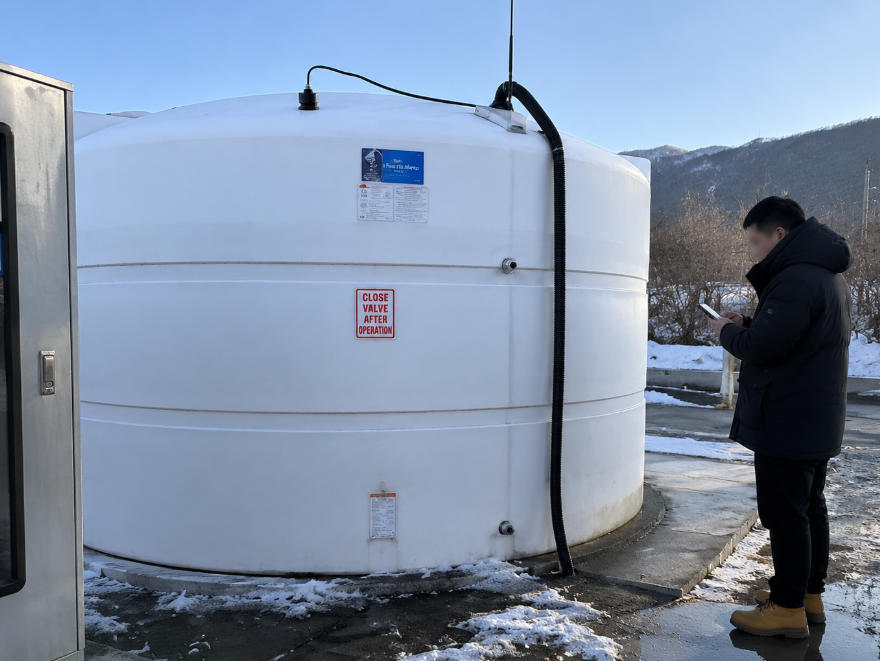
Through the integration of wireless Bluetooth technology and intelligent terminals, field maintenance personnel can complete parameter calibration and equipment health diagnostics from the ground without opening tank hatches. This highly automated data acquisition model enables management to scientifically plan the production cycles and cross-regional allocation networks of beet-brine mixtures based on real, traceable inventory baselines. This effectively eliminates emergency production spikes or rush refill costs driven by data latency.
Conclusion
Under the dual challenges of extreme winter weather and complex chemical fluids in Canada, the failure of traditional industrial measurement methods has become a bottleneck restricting modern highway maintenance. Armed with the technological advantages of non-contact microwave measurement, the Jiwei JWrada-21 Radar Level Transmitter not only successfully overcomes tank gauging difficulties in highly viscous, crystallizing, and low-temperature environments, but also liberates frontline operators from high-risk winter high-altitude duties. This level monitoring solution, integrating high precision, enhanced safety, and digital operations, offers robust technical support for modern transportation logistics and warehousing management under extreme climate conditions. Radar Level Transmitter Radar Level Transmitter