
How Does a Radar Level Transmitter Provide Switch Output?
In industrial applications, radar level transmitters are not only used for continuous level measurement, but can also provide switch output functionality. This allows the device to directly trigger alarms, control relays, or connect to PLC digital inputs, enabling simple ON/OFF control based on preset level thresholds.
This article explains how a radar level transmitter generates switch output and how the function works in practical applications.
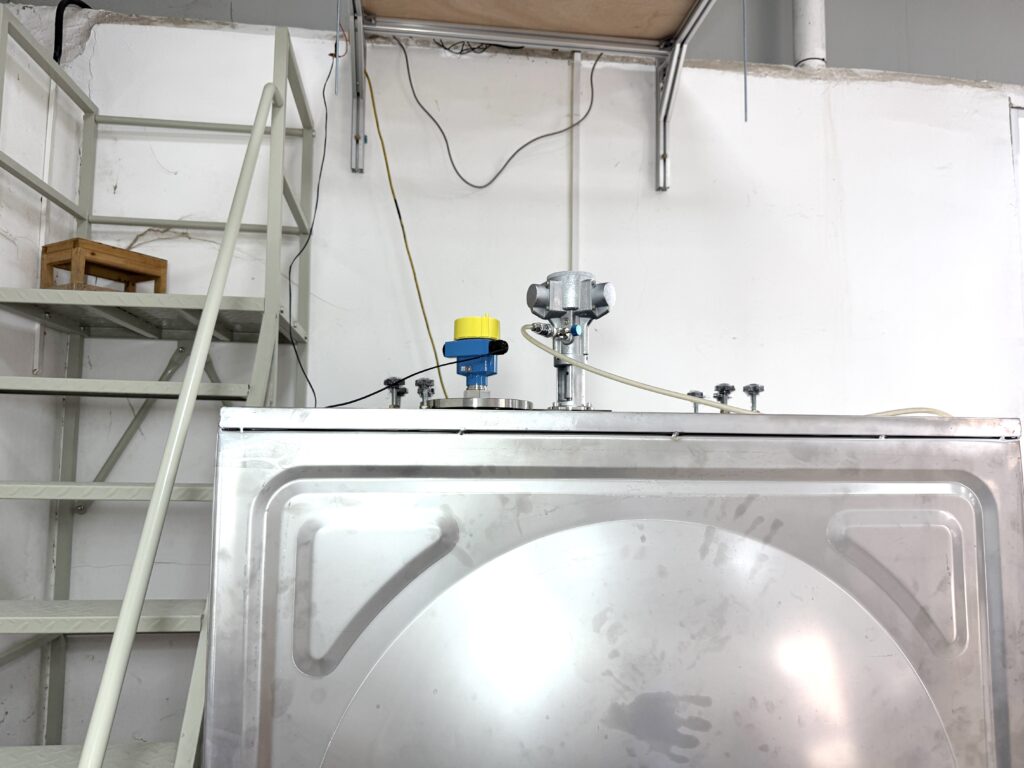
1. Continuous Measurement as the Foundation
Radar level transmitters, especially 80GHz models, operate using high-frequency electromagnetic waves to measure the distance between the antenna and the material surface. The device continuously calculates level values and converts them into standard output signals such as:
- 4–20mA analog signal
- Digital communication (HART, Modbus, etc.)
These continuous signals provide real-time measurement data. Based on this data, the device can internally define switching conditions.
2. Internal Threshold Setting
The key to switch output is the internal alarm threshold configuration.
Within the radar transmitter parameters, users can set:
- High level alarm point
- Low level alarm point
- Window (range) control mode
- Hysteresis value
When the measured level reaches the preset value, the device automatically changes its output state.
This process is fully internal and does not require external signal processing.
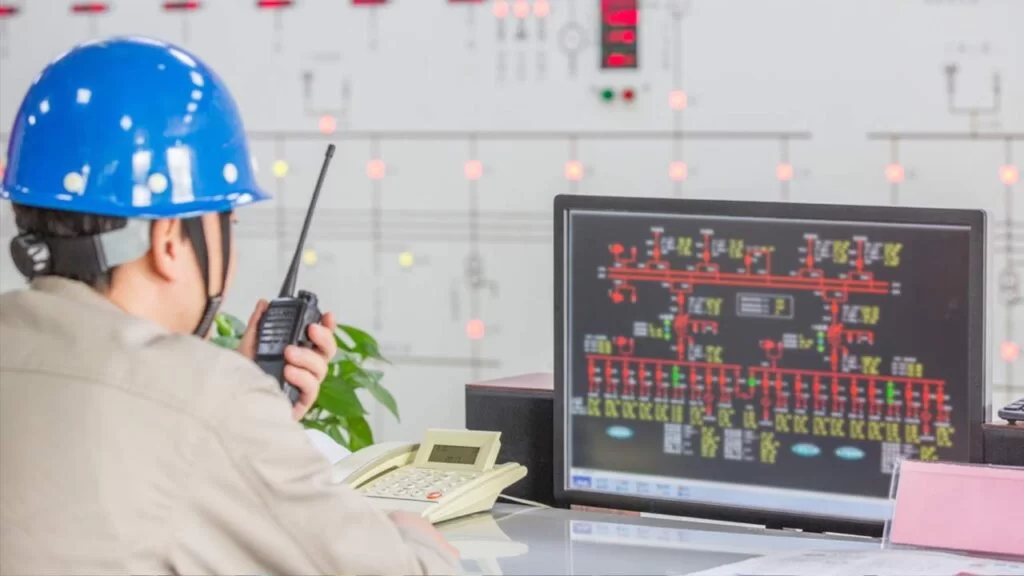
3. Relay (Switch) Output Function
Many modern radar level transmitters are equipped with built-in relay outputs.
When the measured value exceeds or falls below the defined threshold, the relay will:
- Close (ON)
- Open (OFF)
This dry contact signal can be directly connected to:
- PLC digital input modules
- Control relays
- Pump control circuits
- Alarm systems
In this way, the radar device not only measures continuously but also generates a switch signal for control purposes.
4. Integration with PLC Systems

When connected to a PLC, the switch output can be used for:
- Pump start/stop control
- High/low level protection
- Tank overflow prevention
- Material empty detection
- Process interlocking
The PLC receives the relay signal as a digital input and executes predefined logic accordingly.
Because the switch condition is based on continuous measurement, the control action remains stable and reliable.
5. Advantages of Radar-Based Switch Output
Compared with traditional mechanical level switches, radar transmitters provide several advantages:
- No moving parts
- No mechanical wear
- Adjustable alarm points
- High resistance to steam and dust
- Stable performance in complex environments
- Combination of measurement and switching in one device
This makes radar-based switch output suitable for modern industrial automation systems.

6. Application Scenarios
Radar level transmitters with switch output are widely used in industrial automation systems for tank high and low level control, pump start–stop logic, silo material management, chemical process protection, and water treatment applications. In these scenarios, the radar device not only provides continuous and accurate level measurement, but also generates reliable control signals through its internal relay or threshold settings. By combining real-time measurement with switch output functionality, the radar transmitter serves as both a level sensor and a control signal generator, enabling stable automation performance and improved system reliability.
7. Conclusion
A radar level transmitter provides switch output by using internal threshold settings and relay functionality. Based on continuous measurement data, the device automatically changes its output state when the level reaches predefined limits.
This capability allows radar transmitters to combine accurate level measurement with practical control functions, making them a reliable solution for modern industrial automation systems.