
Cable Entry Selection in Industrial Automation: M20×1.5 vs 1/2” NPT
In industrial automation systems, whether it is radar level transmitters, level switches, pressure transmitters, or temperature sensors, the cable entry (Cable Entry / Cable Gland Interface) is a critical but often underestimated structural design element. It not only affects installation convenience in the field, but is also directly related to the sealing performance, explosion-proof suitability, vibration resistance, and long-term operational reliability of the equipment.
Currently, the two most commonly used cable entry standards in global industrial markets are M20×1.5 metric thread and 1/2” NPT American tapered thread. These two systems have coexisted for decades in industrial instrumentation, but they differ significantly across regions, industries, and engineering standards. Therefore, understanding their differences and application scenarios is essential for correct instrument selection.
1. Standard System Difference (Metric vs Imperial System)
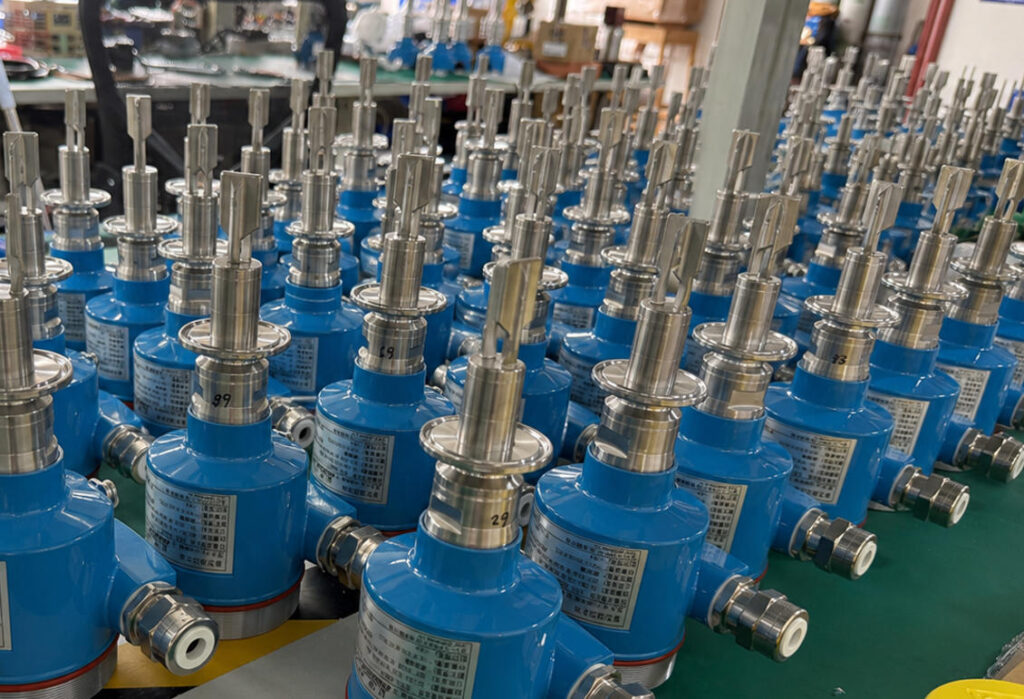
M20×1.5 is a globally recognized metric thread standard (ISO system), widely used in China, Europe, and most Asian industrial regions. It is a straight-thread design (parallel thread), and sealing is achieved through an O-ring or gasket structure, meaning the sealing performance depends mainly on structural compression rather than the thread itself.
In contrast, 1/2” NPT (National Pipe Thread) belongs to the American tapered pipe thread system. It uses a tapered geometry, where sealing is achieved through metal-to-metal compression during tightening. In most applications, PTFE tape or sealing compound is required to ensure proper sealing performance.
In essence:
- M20 is a structure-sealing system
- NPT is a thread-interference sealing system
Because of this fundamental difference, the two systems are not interchangeable in engineering applications.
2. Impact of Sealing Structure on Instrument Reliability
In industrial instrumentation, the cable entry is not only an electrical interface but also an important part of the protection system, especially in hazardous (Ex d / Ex ia) environments, where sealing integrity is directly related to operational safety.
M20 cable entries are typically used together with industrial cable glands, achieving IP66/IP67 or even higher protection levels through O-ring sealing structures. This design provides:
- High and stable sealing performance
- Excellent repeatability after multiple installations
- Strong suitability for instrumentation devices
On the other hand, 1/2” NPT relies on thread taper compression for sealing. It performs well in high-vibration environments such as pipelines, offshore platforms, and heavy-duty mechanical systems. However, its sealing quality is highly dependent on installation workmanship (e.g., correct use of PTFE tape), which may lead to inconsistencies between installations.
Therefore, in instrumentation design:
- M20 is more suitable for electronic instruments and sensors
- NPT is more suitable for pipeline and mechanical connection systems

3. Global Application Distribution and Industry Preferences
The selection of cable entry standards is closely related to regional industrial practices.
In Europe, China, and most Asian industrial markets, M20×1.5 has become the default standard for instrumentation equipment, especially in:
- Radar level transmitters
- Level switches and point-level devices
- Temperature transmitters
- Pressure sensors
- Industrial automation instrumentation systems
These applications emphasize modular design and unified maintenance standards, making M20 highly compatible.
In contrast, in North America and parts of the Middle East oil & gas industry, 1/2” NPT remains dominant, especially in:
- Oil and gas extraction systems
- Refinery and petrochemical pipelines
- Offshore platforms
- API-standard engineering projects
These industries prioritize unified piping standards, making NPT more suitable for system integration.
4. Selection Logic in Hazardous Area Applications (Ex d / Ex ia)
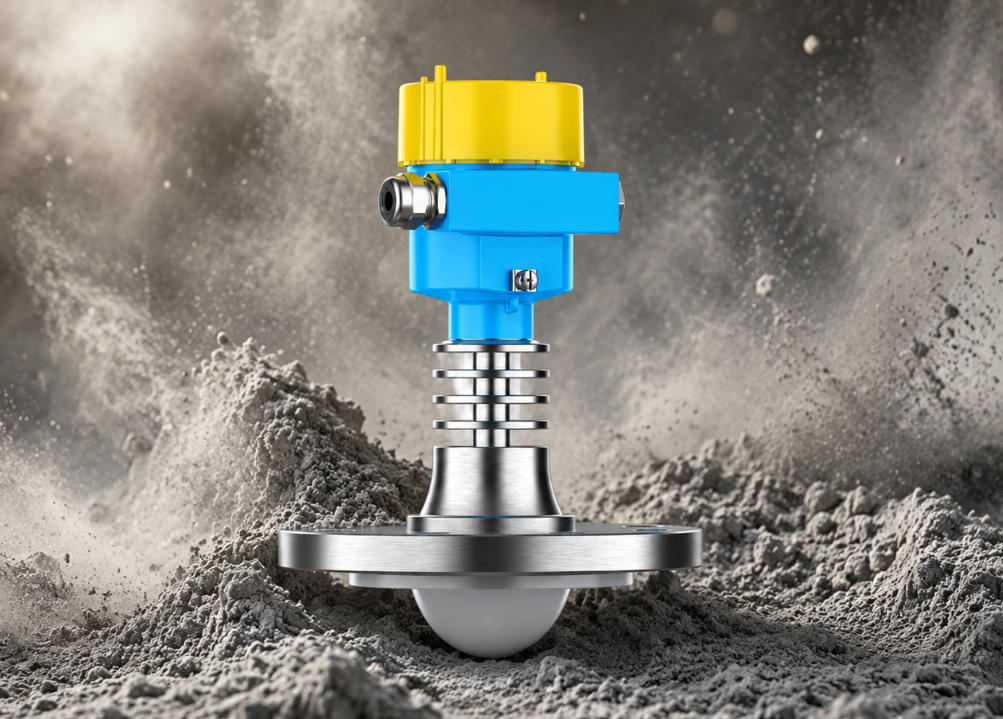
In explosion-proof applications, cable entry selection becomes even more critical, as it directly affects sealing integrity and safety certification compliance.
In Ex d flameproof systems, M20 interfaces are commonly used together with metal cable glands, forming a fully sealed structure that prevents explosion pressure from propagating through cable entry points. This configuration is widely adopted in radar level transmitters, level switches, and industrial sensors.
Although NPT can also be used in hazardous areas, it relies more heavily on installation consistency and requires resealing during reassembly, making long-term maintenance less convenient.
From an engineering perspective, hazardous area systems require:
Standardization + controllability + repeatability
Therefore, M20 is increasingly becoming the preferred solution in modern instrumentation systems.
5. Engineering Selection Principles: How to Choose Between M20 and NPT
In real engineering projects, selection should not be based on preference alone but should consider multiple technical dimensions.
First, project specification priority must be followed. If the project defines a unified standard (M20 or NPT), it must be strictly followed to avoid maintenance issues, spare part incompatibility, and installation errors.
Second, regional industrial habits play a key role. Europe, China, and Southeast Asia generally prefer M20 systems, while North America and oil & gas regions prefer NPT standards. In international projects, this factor is especially important.
Third, equipment structural compatibility must be considered. For radar level transmitters and instrumentation devices, M20 is generally more suitable due to its better cable management and sealing design. For pipeline-related equipment, NPT may be more appropriate.
Finally, maintenance cost and long-term reliability should be evaluated. M20 systems offer more standardized sealing structures, lower maintenance costs, and higher repeatability, making them increasingly popular in smart industrial plants.
6. Interface Configuration Recommendations in Jiwei Instruments
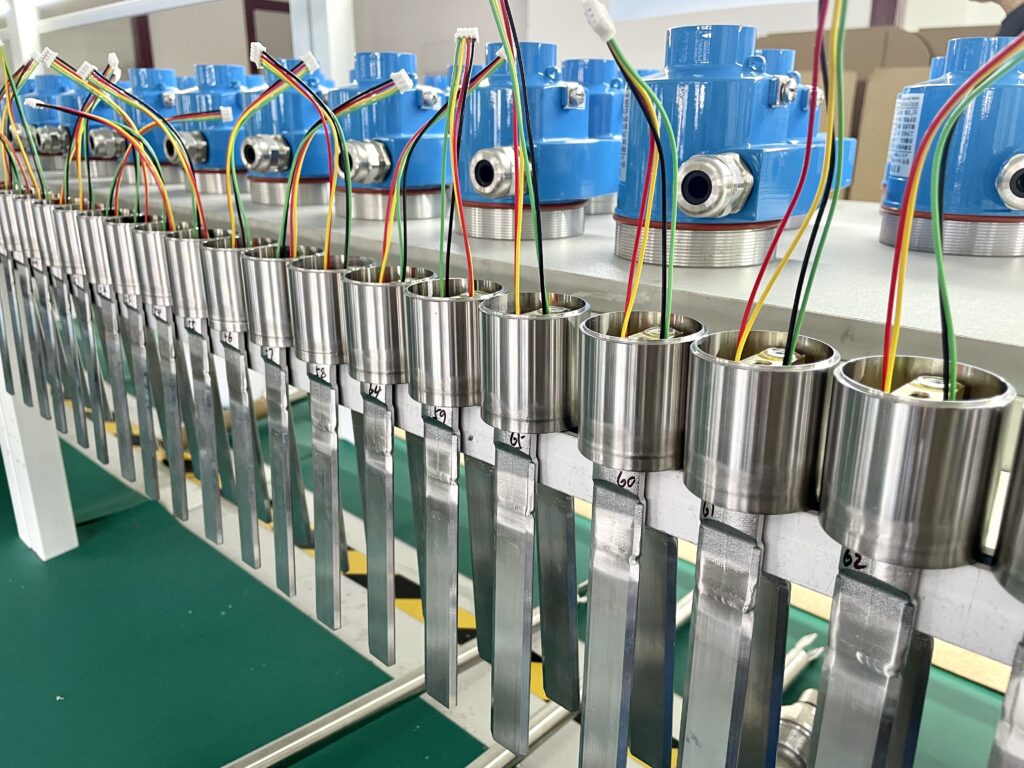
Taking Jiwei Automation radar level transmitters and level switches as an example, the standard configuration typically uses M20×1.5 cable entry, which meets the requirements of most global industrial applications. For North American and specific oil & gas projects, 1/2” NPT customization is also available to meet engineering standards.
Recommended practice:
- Default selection: M20×1.5
- North America/API projects: 1/2” NPT
- Hazardous area applications: M20 + explosion-proof cable gland preferred
- Multi-device systems: unify interface standards
Standardization significantly improves system consistency, reduces spare part inventory, and enhances maintenance efficiency.
7. Conclusion: M20 vs NPT is Not About Superiority, But System Compatibility
In conclusion, there is no absolute superiority between M20×1.5 and 1/2” NPT. Their differences originate from distinct industrial standard systems and engineering evolution paths.
M20 emphasizes instrument standardization, sealing reliability, and system consistency, while NPT focuses on mechanical strength and pipeline compatibility. In modern industrial automation, with the rise of smart factories and standardized instrumentation systems, M20 is becoming the mainstream global choice.
For industrial users, the correct selection principle is not “which is better,” but rather “which is more suitable for the current engineering system.” Only by balancing standard consistency, structural compatibility, and long-term maintenance cost can a truly reliable industrial system be achieved.