Vibrating Rod Level Switch for Large Petrochemical Silos: Tube-11 Handles High Wear and High-Dust Conditions
In large-scale integrated refining and petrochemical projects, silo level detection is closely related to material conveying, silo overflow protection, equipment protection, and stable production.
In petrochemical plants handling large amounts of powders and granular materials, vibrating rod level switches may need to operate continuously under challenging conditions, including high dust, abrasive materials, material buildup, falling material impact, and hazardous areas requiring explosion protection.
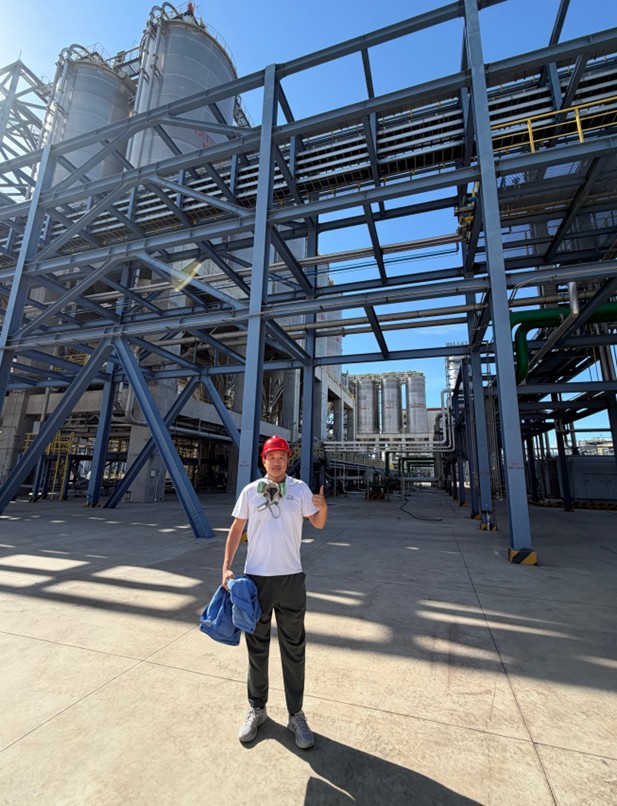
Recently, the Jiwei Automations technical team visited a large integrated refining and petrochemical project in East China. The team conducted technical discussions with the site’s instrumentation professionals regarding solid level measurement in the petrochemical industry, localization of solid level switches, and the application of the Tube-11 vibrating rod level switch in demanding silo conditions.
The site visit also highlighted a growing trend: as local level measurement technology continues to develop, large process-industry projects are increasingly evaluating level instrument alternatives based not only on purchase price, but also on reliability, process adaptability, service life, and maintenance efficiency.
More Than 1,000 Vibrating Rod Level Switches Put Reliability to the Test
The petrochemical site covers multiple production processes, including refining, olefins, aromatics, and new materials. Large numbers of powder and granular material silos are distributed throughout the storage and material conveying systems.
According to the site discussions, more than 1,000 vibrating rod level switches are currently in operation. Some finished-product silos are equipped with three level switches per silo for monitoring different material levels.
At this scale, a solid level switch is no longer simply an individual measuring instrument. The overall reliability of hundreds or thousands of instruments can directly affect routine inspection, maintenance, troubleshooting, and spare-parts management.
When hundreds or thousands of level switches are installed across a production facility, long-term stability becomes increasingly important.
Frequent false alarms caused by material buildup, mechanical wear, repeated commissioning, or difficult troubleshooting can significantly increase inspection and maintenance workloads over time.
Therefore, when selecting vibrating rod level switches for large petrochemical projects, it is important to consider not only whether the instrument can detect the material, but also its long-term stability, resistance to material buildup, mechanical design, and ease of maintenance.
Particle Impact and Probe Wear: Key Challenges in Silo Level Detection
One of the main topics discussed during the site visit was probe wear.
During feeding, storage, and discharge, granular materials may continuously collide with and rub against the level detection probe. When the material is hard or the feeding rate is high, prolonged operation can result in continuous abrasion.
At the site, some instruments use wear-resistant surface treatments, including tungsten carbide coatings, to reduce probe wear caused by long-term particle impact and friction.
This demonstrates that granular material level detection involves more than measurement performance. The mechanical structure and wear resistance of the sensing probe are also important.
Material impact during silo filling is another factor that should not be overlooked.
When granular material enters a silo from a certain height, it may directly impact a probe extending into the vessel. Therefore, both probe design and installation position should be considered during application design.
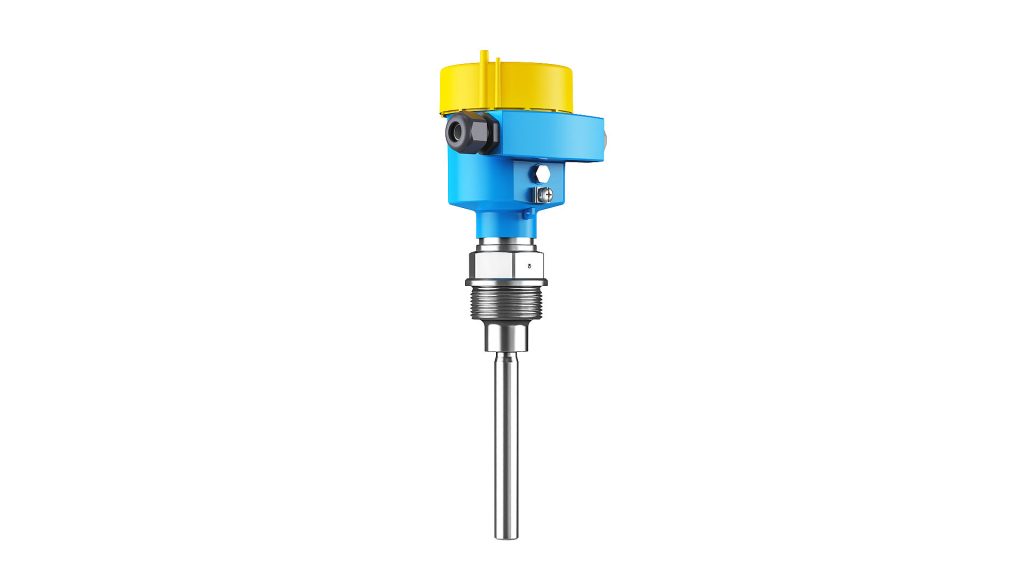
The Jiwei Tube-11 vibrating rod level switch features a 125 mm short probe with a 16 mm probe diameter. By limiting the length of the probe extending into the silo, the structure exposed directly to moving material can be reduced.
For applications involving significant material impact, installation methods such as positioning the probe away from the inlet, using an inclined installation, or adding protective structures can also be considered to reduce direct impact on the probe.
For silo level detection applications involving abrasion and impact, proper instrument selection should therefore consider probe structure, installation position, and mechanical protection as a complete system.
How Can False Level Alarms Be Reduced?
Powders and fine particles can accumulate on surfaces during storage and conveying. If material remains attached to the sensing probe for a long time, an instrument that cannot effectively distinguish between probe buildup and actual material coverage may generate an incorrect level signal.
In continuous production systems, incorrect high- or low-level alarms can affect feeding, conveying equipment, and related control logic. Resistance to material buildup is therefore an important consideration when selecting a vibrating rod level switch.
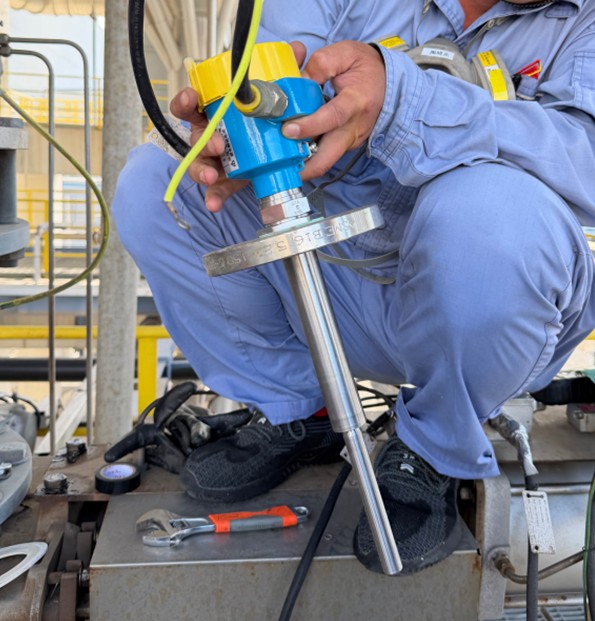
The Tube-11 uses a dual-tube vibrating probe design.
Under normal conditions, the vibrating system operates according to its preset state. When material covers the probe, the vibration condition changes, and the electronic unit determines the material status based on the change in the vibration signal.
The dual-tube structure, combined with the corresponding signal processing technology, is designed to improve detection stability in applications where material buildup may occur and reduce the influence of adhesion on level detection.
As a result, the Tube-11 vibrating rod level switch can be used not only for conventional granular silos, but also for powder level detection applications involving dust and material buildup.
Suitable for Materials with a Density Down to 0.02 g/cm³
Large refining and petrochemical projects often handle many different types of solid materials.
Particle size, flowability, and bulk density can vary significantly between different production processes. If a level switch has a narrow application range, different types of instruments may need to be used across different silos, increasing the complexity of selection, spare-parts management, and maintenance.
The Tube-11 is designed for powder and granular solid materials, with a material density detection range down to 0.02 g/cm³.
This allows it to cover a wide range of solid materials, including plastic pellets, powders, and certain low-bulk-density materials, providing greater flexibility for silo level detection.
For process-industry projects with a large number of measurement points, a wider material compatibility range can also help reduce the number of instrument models required, making spare-parts management and maintenance more efficient.
Explosion Protection for Dust Hazardous Areas
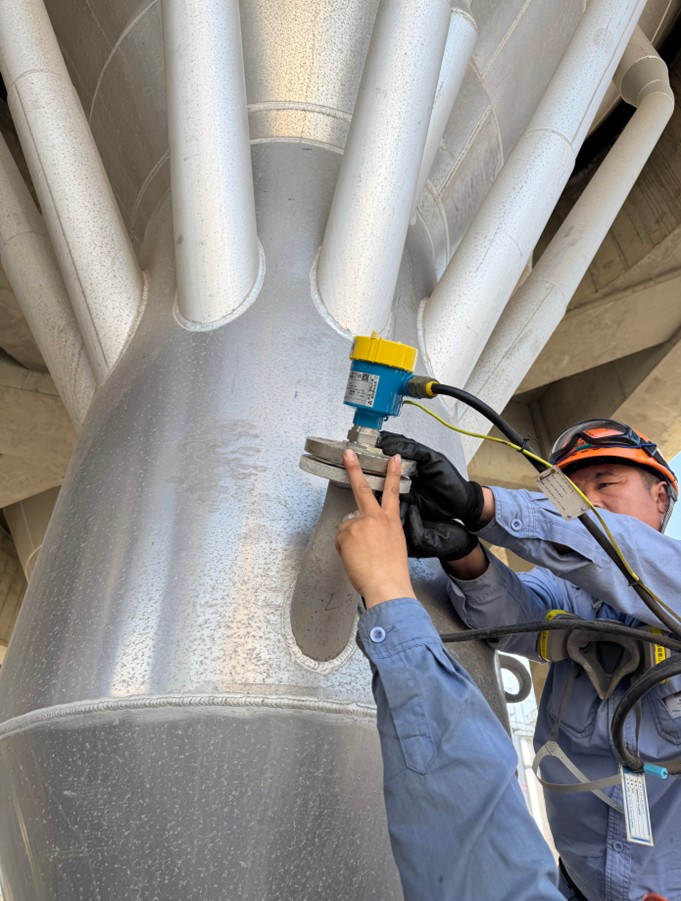
When selecting level switches for petrochemical applications, safety is another critical consideration.
Powders and granular materials can generate dust during feeding and conveying. Certain production areas may also involve gas or combustible dust hazards.
Therefore, when a hazardous-area level switch is used, it must not only provide stable level detection but also be selected according to the hazardous-area classification and required explosion-protection configuration.
The Tube-11 series is available with corresponding gas and dust explosion-protection configurations and provides IP66/IP67 protection for demanding industrial environments.
Its applicable process pressure range is -1 to 16 bar, allowing it to cover a variety of silo and process-equipment installation conditions.
For industries such as petrochemicals, coal chemicals, plastics, building materials, mining, and powder processing, explosion protection, ingress protection, and environmental adaptability are all important factors in solid level switch selection.
Multiple Configurations for Different Temperature Conditions
Process temperatures can vary significantly between different production units.
Some storage silos operate close to ambient temperature, while materials in drying, reaction, conveying, and storage processes may reach considerably higher temperatures. This requires a high-temperature level switch to be selected according to the actual process temperature.
The Tube-11 series provides different configurations for different process temperatures:
- Standard configuration: -50 to 150°C
- High-temperature configuration: -50 to 250°C
- Special high-temperature configuration: up to 400°C
This series-based design allows the Tube-11 to be configured according to the actual process temperature and provides suitable options for solid level detection in petrochemical and chemical processes with different temperature requirements.
Maintenance Efficiency Matters in Large-Scale Projects
For a small number of instruments, the additional commissioning or inspection time required by a single device may not seem significant.
However, when a production facility operates more than 1,000 vibrating rod level switches, even a small increase in maintenance workload per instrument can result in substantial labor requirements across the entire site.
Therefore, when large industrial projects evaluate localized level instrument solutions, the focus should not be limited to equipment purchase cost. Installation, commissioning, troubleshooting, spare-parts management, and routine maintenance should also be considered throughout the instrument’s lifecycle.
The Tube-11 uses a vibrating point-level detection principle and is designed for relatively straightforward installation and commissioning. Its diagnostic functions can also assist field personnel in identifying certain abnormal operating conditions.
Typical switching response times are approximately 0.5 seconds after material contact and 1 second after material leaves the probe, making it suitable for common high- and low-level alarms and related control applications.
When the number of installed instruments reaches hundreds or thousands, these design features can contribute to improved efficiency for instrumentation and maintenance teams.
Growing Adoption of Local Level Measurement Solutions
Another important signal from the site visit is the growing acceptance of locally developed and manufactured instrumentation among large industrial companies.
The site already operates a large number of vibrating rod level switches and is also evaluating and testing alternative locally manufactured instruments.
When selecting products, the site team is looking beyond price. They are also paying close attention to industry application experience, supplier technical capabilities, chemical and petrochemical references, and actual performance under demanding process conditions.
This means that the development of local alternatives for industrial level instruments is no longer simply about replacing one product with another.
More importantly, the product must be able to operate reliably in real production environments involving dust, material buildup, particle impact, abrasion, varying material density, high temperatures, and hazardous areas.
The Jiwei Automations Tube-11 vibrating rod level switch combines a dual-tube vibrating probe, material density detection down to 0.02 g/cm³, a 125 mm short probe, material-buildup adaptability, IP66/IP67 protection, diagnostic functions, and multiple temperature configurations.
These features provide an alternative solution for solid level measurement and vibrating rod level switch applications in large-scale process industries.
From a single level switch to a single silo, and from individual silos to thousands of measurement points, the focus of local level instrument adoption is gradually moving beyond simple product substitution toward process adaptability, long-term reliability, and field validation.
Jiwei Automations will continue to focus on practical applications including petrochemical level measurement, powder level detection, granular material level detection, high-temperature level measurement, and explosion-proof level detection, developing reliable level measurement solutions for demanding process industries.