Waste Tire Pyrolysis Oil Storage Tank Level Measurement Application of JWrada® Radar Level Transmitters
With the continuous advancement of solid waste resource utilization, waste tire pyrolysis projects are gradually developing toward continuous and large-scale production. Through high-temperature oxygen-free thermal decomposition, waste tires are converted into pyrolysis oil, carbon black, steel wire, and combustible gas, enabling resource recovery and reuse.
In practical production processes, the stability of pyrolysis oil storage tank level measurement directly affects production safety and sales measurement accuracy.
This case study introduces the real-world application of Shenzhen Jiwei Automations Ltd (JWrada® Radar Level Transmitters) in a waste tire pyrolysis oil storage tank project.
I. Project Background
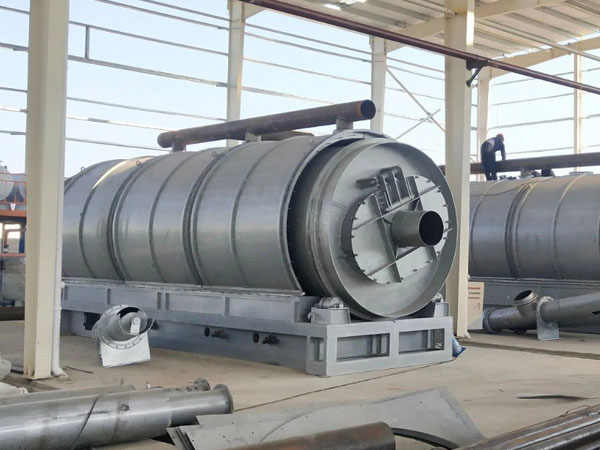
The project is located at Jiasheng Machinery in East China and consists of a continuous waste tire pyrolysis production line with a daily processing capacity of 30 tons.
The system includes:
- Tire crushing and feeding system
- Pyrolysis reactor
- Oil and gas condensation system
- Pyrolysis oil storage system
- Carbon black collection system
After condensation, the pyrolysis oil enters two 50m³ horizontal storage tanks for temporary storage before being pumped into tank trucks for transportation and sales.
The storage area is classified as an explosion-proof zone and requires intrinsically safe instrumentation. Tanker loading occurs frequently.
Previously, float-type level gauges were used for monitoring. After six months of operation, the following issues were observed:
- Float sticking, causing measurement deviation
- No remote monitoring capability
- No real-time trend recording
- Frequent maintenance requirements
Therefore, the customer decided to upgrade to a radar level measurement solution.
II. Practical Challenges in Pyrolysis Oil Tank Measurement
Waste tire pyrolysis oil differs from conventional diesel or standardized chemical media. Its composition typically includes a mixture of light hydrocarbons and heavier fractions, resulting in varying dielectric constants.
In addition, the tank may experience slight vapor generation, and internal temperature may fluctuate depending on production load and condensation efficiency.
The main technical challenges include:
- Rapid level changes during loading operations, potentially causing short-term fluctuations
- Internal structural components that may generate reflection interference
- Strict requirements for explosion-proof installation and certification
- Stable signal integration with PLC systems for automation and remote monitoring
Under these conditions, the level measurement system must ensure not only continuous measurement but also long-term data stability and consistency.
III. Selection Logic and Solution
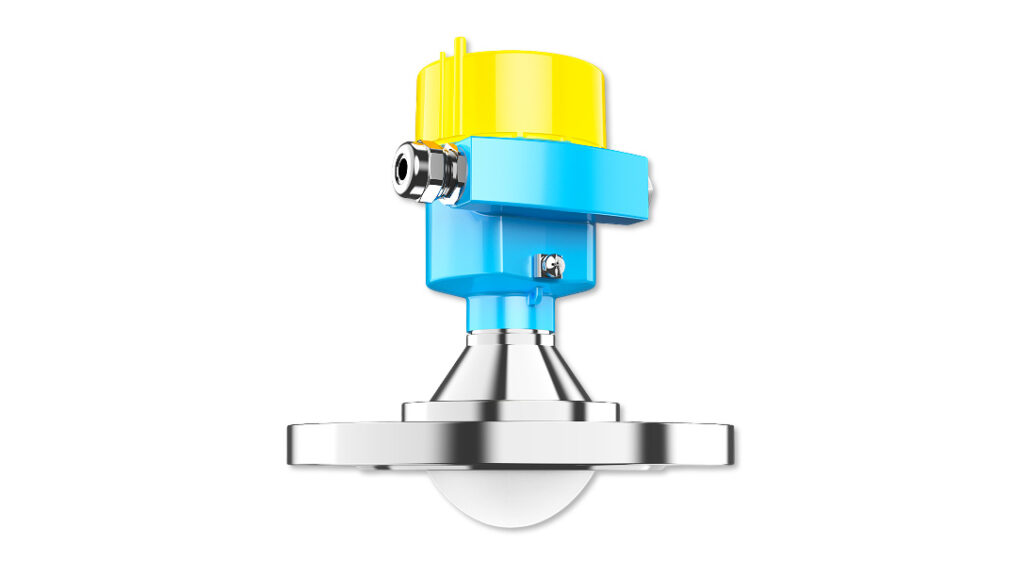
Based on site conditions, JWrada® 80GHz high-frequency radar level transmitters were recommended.
Specifications:
- Measuring range: 0–5m
- Top flange mounting
- Intrinsically safe (Ex ia) design
- 4–20mA + HART output
- Remote commissioning and software-based parameter optimization
Additionally, a vibrating level switch was installed at the high-level position for overfill protection, forming a dual-safety configuration.
IV. Installation and Initial Commissioning
After installation, engineers performed empty tank calibration and full-scale verification tests.
During level rise testing, it was observed that when the oil surface approached the tank’s internal reinforcement structure, a localized reflection peak appeared in the echo curve.
Although the system’s algorithm correctly identified the main echo and no obvious data jump occurred, further optimization was conducted to ensure long-term reliability.
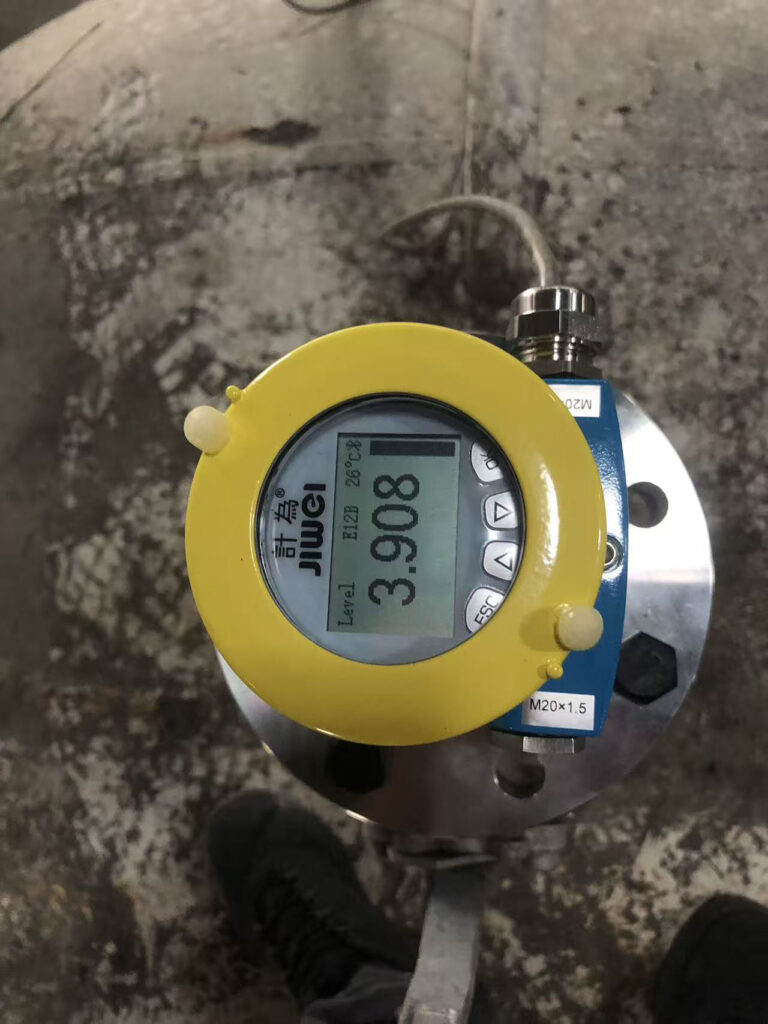
The engineering team performed:
- Echo curve analysis
- Signal strength evaluation
- Filtering strategy review
By precisely configuring interference suppression zones and optimizing echo filtering parameters, measurement stability was further improved.
During this process, the software capabilities of JWrada® played a key role. The device supports:
- Online parameter adjustment
- Real-time echo curve visualization
- Fault code diagnosis
Engineers were able to optimize the system without dismantling the equipment.
After software-level fine tuning, the echo recognition became more stable, ensuring reliable long-term operation.
V. Software Capability and Cloud-Based Remote Commissioning
One of the core strengths of JWrada® is its independently developed software system.
Compared with conventional instruments that rely only on fixed parameter settings, JWrada® enhances signal processing through advanced algorithms.
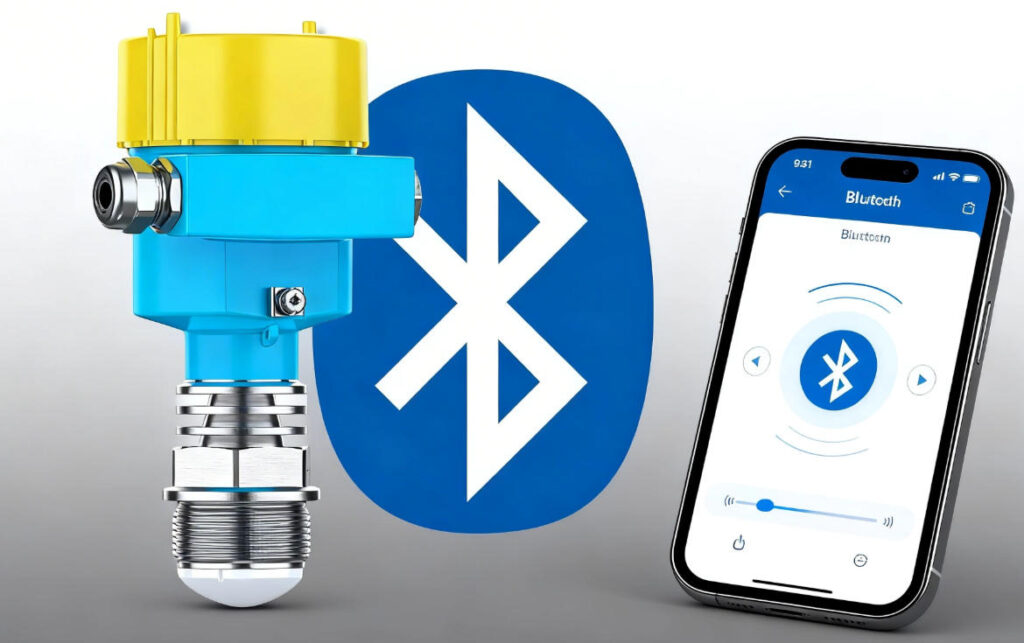
The system supports:
- Online software updates
- Field commissioning
- Detailed parameter configuration
- Fault code diagnostics
- Echo curve and EFT (Echo Filtering Trace) analysis
In this project, cloud-based remote commissioning was activated.
Through secure cloud connectivity, engineers and site technicians established a one-to-one collaborative debugging channel, enabling real-time data sharing and synchronized adjustments.
During remote monitoring, engineers could review:
- Real-time echo curves
- Historical level trends
- EFT curves
- Interference peak positions and signal strength distribution
Analysis confirmed that the interference originated from reflections caused by internal reinforcement structures—a common issue in horizontal tanks.
Engineers then performed the following optimizations:
- Adjusted false echo suppression zones
- Optimized filtering parameters
- Fine-tuned blind zone settings
- Improved echo recognition thresholds
- Enhanced main echo locking strategy
The entire optimization process was completed remotely within approximately five minutes, without on-site intervention.
This cloud-based mechanism enables each radar level transmitter to be individually optimized according to specific tank structure, medium properties, and installation conditions, rather than relying on fixed parameter templates.
After commissioning, the echo curve became clean and stable. Level trends were smooth and continuous, with no abnormal jumps during loading operations.
This case demonstrates the importance of software systems in industrial radar level measurement, as well as the synergy between hardware design and algorithm optimization.
VI. Extended Application: Carbon Black Level Monitoring and Feeding Control
Following stable operation of the oil tank system, the customer further upgraded automation at key material handling points.
Since carbon black is a major solid byproduct of pyrolysis, it is typically stored in sealed silos with significant dust conditions.
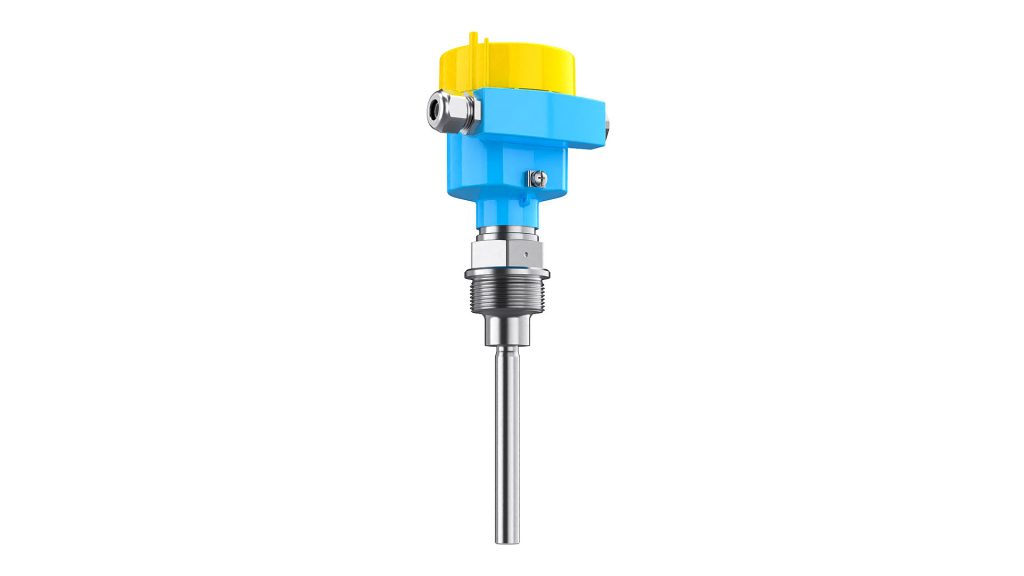
To prevent overfilling, a rotary paddle level switch was installed at the top of the carbon black silo for full-level alarm control.
Additionally, a vibrating level switch was installed in the buffer hopper to enable automatic feeding control and maintain continuous reactor operation.
Through this configuration, the production line achieved integrated monitoring across:
- Pyrolysis oil storage tank level measurement
- Carbon black level monitoring
- Feed hopper level control
All key points are now connected to the automation system, improving operational efficiency and reducing manual inspection requirements.
Conclusion
Reliable industrial instrumentation depends not only on mechanical structure, but also on software intelligence and commissioning capability.
Through its independently developed software platform and cloud-based remote commissioning technology, JWrada® radar level transmitters provide full lifecycle support—from installation to long-term stable operation—ensuring safe and reliable pyrolysis oil tank level measurement.
As waste tire pyrolysis projects continue to move toward larger-scale and higher automation levels, integrated hardware and software measurement solutions will become the preferred long-term choice.