
What Is a SORF Flange? Why It Is Commonly Used in Level Measurement Instruments
In industrial field installations of radar level meters, level switches, or point level sensors, engineers frequently encounter the abbreviation SORF. It often appears in technical drawings or specifications, such as DN80 SORF PN16 or 2″ 150LB SORF.
Many engineers have seen this designation, but what exactly does SORF mean, and why is it so commonly used in level measurement equipment installations?
This article provides a systematic explanation of SORF flanges, including their structure, working principle, and typical applications in level measurement systems.
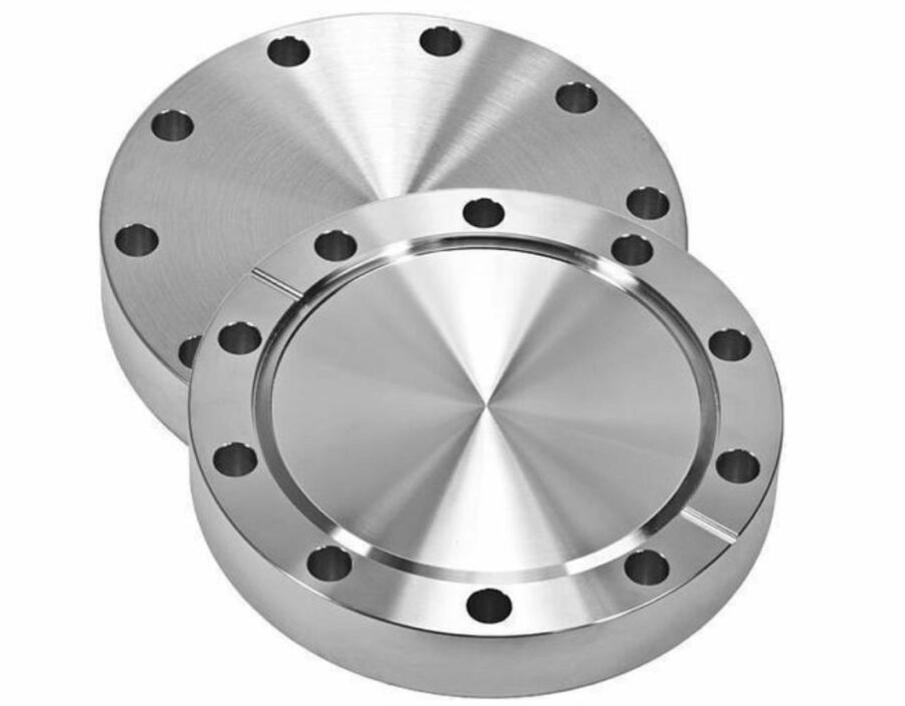
1. What Does SORF Mean?
SORF is a common type of industrial pipe flange. The full English name is:
Slip On Raised Face Flange
In Chinese, it is usually referred to as a slip-on raised face flange or raised-face slip-on flange.
The name itself contains two key elements.
1) SO – Slip On
“Slip On” indicates that the flange is a slip-on type. During installation, the pipe or equipment nozzle is inserted into the flange bore and then welded in place.
2) RF – Raised Face
“Raised Face” refers to the raised sealing surface on the flange. The sealing face is slightly elevated from the flange body, allowing a gasket to be installed between two flanges to create a reliable seal.
Therefore, the complete meaning of SORF is:
A slip-on flange with a raised sealing face.
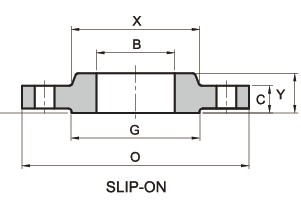
2. Structural Characteristics of SORF Flanges
Compared with other flange types, SORF flanges have a relatively simple structure and convenient installation process, which is why they are widely used in industrial facilities.
The main structural features include the following.
Slip-on pipe connection
The pipe or equipment nozzle can be directly inserted into the inner bore of the flange before welding.
Double welding
Typically, welding is performed on both sides:
- one weld on the outside
- one weld on the inside
This improves the overall connection strength.
Raised face sealing surface
The RF sealing surface is slightly higher than the flange plate. A gasket is placed on this surface to ensure reliable sealing.
Lower manufacturing cost
Compared with weld neck flanges (WN), SORF flanges are easier to manufacture and therefore more cost-effective.
3. Differences Between SORF and Other Common Flanges
In industrial equipment and level measurement installations, several types of flanges are commonly used.
Typical examples include:
| Flange Type | English Name | Characteristics |
|---|---|---|
| SORF | Slip On Raised Face | Slip-on raised face flange |
| WNRF | Weld Neck Raised Face | Weld-neck raised face flange |
| BLRF | Blind Raised Face | Blind flange |
Among these, SORF flanges are the most widely used in general industrial applications due to several advantages:
- simple installation
- lower cost
- reliable sealing performance
- high level of standardization
4. Application of SORF Flanges in Level Measurement Instruments
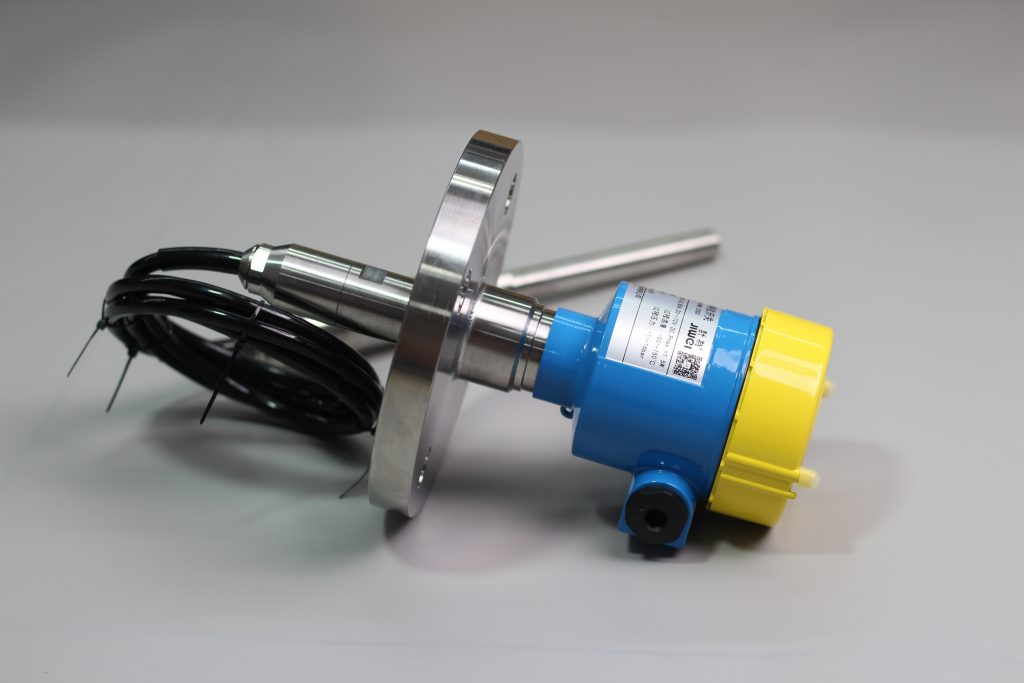
In level measurement systems, flanges are not merely connection components. They also play an important role in ensuring stable and reliable instrument installation.
Many level measurement devices use SORF flanges as their process connection, such as:
- radar level meters
- vibrating fork level switches
- vibrating rod point level switches
- float level switches
- capacitive level switches
A typical installation structure is:
Tank or vessel → Flange connection → Level instrument
The flange connection allows the instrument to achieve:
- secure mechanical installation
- leak-free sealing
- convenient removal for maintenance
5. Why SORF Flanges Are Commonly Used for Level Instruments

When selecting a flange type for industrial measurement equipment, several factors must be considered, including installation position, construction conditions, sealing requirements, and overall project cost.
For level measurement instruments installed on storage tanks, reactors, or pipelines, the flange type affects not only installation convenience but also long-term operational reliability.
SORF flanges are widely used in such applications mainly because of their structural advantages.
First, from an installation perspective, the slip-on design allows the pipe or instrument nozzle to be inserted directly into the flange bore before welding. This structure has relatively low alignment requirements during field installation, making positioning and adjustment easier. For instruments mounted on the top or side of tanks—such as radar level meters, level switches, or point level sensors—this flexibility greatly simplifies installation.
Second, SORF flanges provide reliable sealing performance. The raised face (RF) design creates a defined gasket compression area, ensuring stable sealing between connected flanges. In liquid level measurement or bulk material level detection applications, good sealing performance helps prevent medium leakage and protects instruments from environmental interference.
From an engineering perspective, SORF flanges also offer cost advantages. Their manufacturing process is simpler than that of weld-neck flanges because they do not require complex bevel machining. As a result, both production and installation costs are relatively low. In large tank farms or industrial production lines where many level instruments are installed, using SORF flanges can significantly reduce total project costs.
In addition, SORF flanges are highly standardized and widely available. They are defined in several international and national standards, including:
- ASME B16.5
- DIN standards
- JIS standards
- GB/T standards in China
This high level of standardization ensures good compatibility between equipment from different manufacturers and simplifies engineering design, procurement, and maintenance.
Overall, thanks to their easy installation, reliable sealing, reasonable cost, and standardized design, SORF flanges have become one of the most commonly used connection types for level measurement instruments in industrial tank and pipeline systems.
6. Common SORF Flange Sizes for Level Instruments
In industrial applications, the flange size of a level instrument is typically determined by the tank nozzle size.
Common flange sizes include:
- DN50 SORF
- DN80 SORF
- DN100 SORF
Typical pressure ratings include:
- PN16
- PN25
- 150LB
- 300LB
Examples of common specifications are:
- DN80 PN16 SORF
- 2″ 150LB SORF
These specifications are widely used in installations of radar level meters and level switches.
7. Considerations When Selecting SORF Flanges
When selecting a SORF flange for level measurement equipment, several factors should be considered.
Medium type
Different media may require different flange materials, such as:
- chemicals
- viscous liquids
- powders or bulk solids
Temperature and pressure
For high-temperature or high-pressure conditions, weld neck flanges (WNRF) may be more suitable.
Installation space
If the tank roof has limited space, the flange size and instrument structure must be carefully matched.
Conclusion
A SORF flange (Slip On Raised Face Flange) is a slip-on flange with a raised sealing face. Due to its simple structure, convenient installation, and relatively low cost, it is widely used in industrial piping and equipment connections.
In level measurement systems, instruments such as radar level meters, level switches, and point level sensors are commonly connected to tanks through SORF flanges. This connection method provides stable installation, reliable sealing, and convenient maintenance, making it one of the most common installation methods in industrial environments.