What Is Radar Level Transmitter? Principles and Application Value of the JWrada® Series
In modern industrial production, level measurement is one of the core process steps. Accurate and reliable level information is essential for ensuring safety, optimizing production, and improving efficiency—whether in chemical storage tanks, LPG/LNG tanks, or high-precision reactors and powder silos. Among various level measurement technologies, radar level transmitters (Radar Level Transmitters) have become the mainstream choice in industrial level measurement due to their non-contact measurement, high precision, low maintenance, and ability to adapt to complex process conditions.
This article introduces the fundamental concepts of radar level transmitters, explains their principles, classifications, and application advantages, and highlights the global application value and technical features of Jiwei’s JWrada® series radar level transmitters through engineering examples.
1. What is a Radar Level Transmitter?
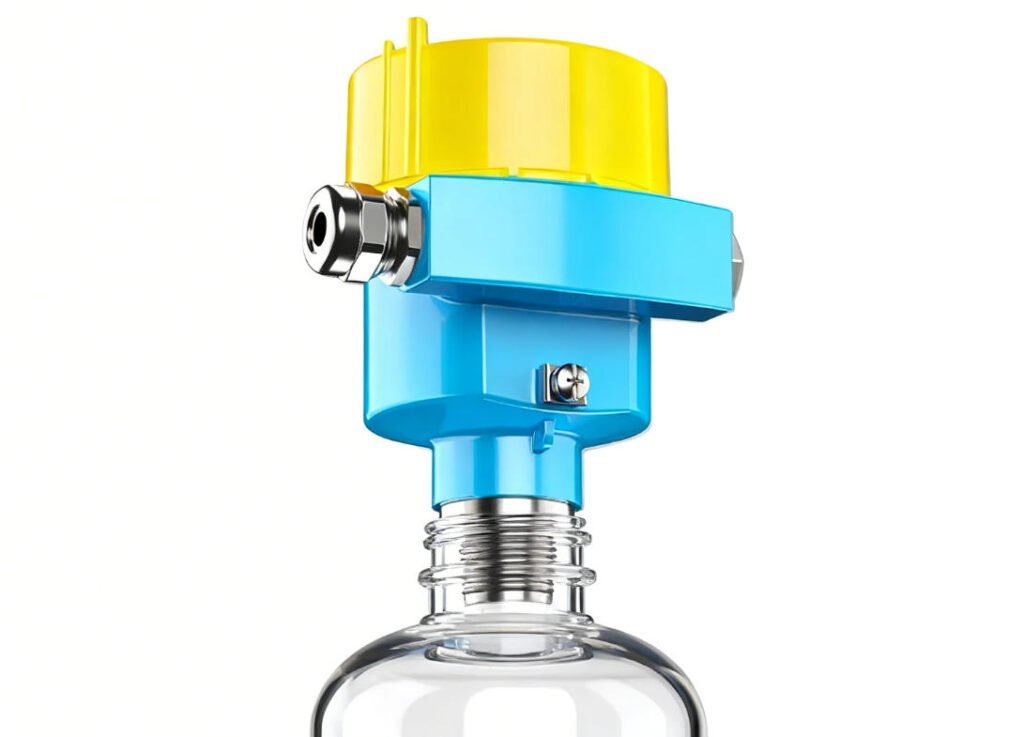
A radar level transmitter is an industrial instrument that measures liquid levels based on radar electromagnetic wave principles. Its core function is to emit high-frequency microwave signals, receive reflected echoes from the liquid surface, and calculate the liquid level height. Radar level transmitters are widely used in chemical, energy, food, pharmaceutical, metallurgical, and water treatment industries.
1.1 Working Principle
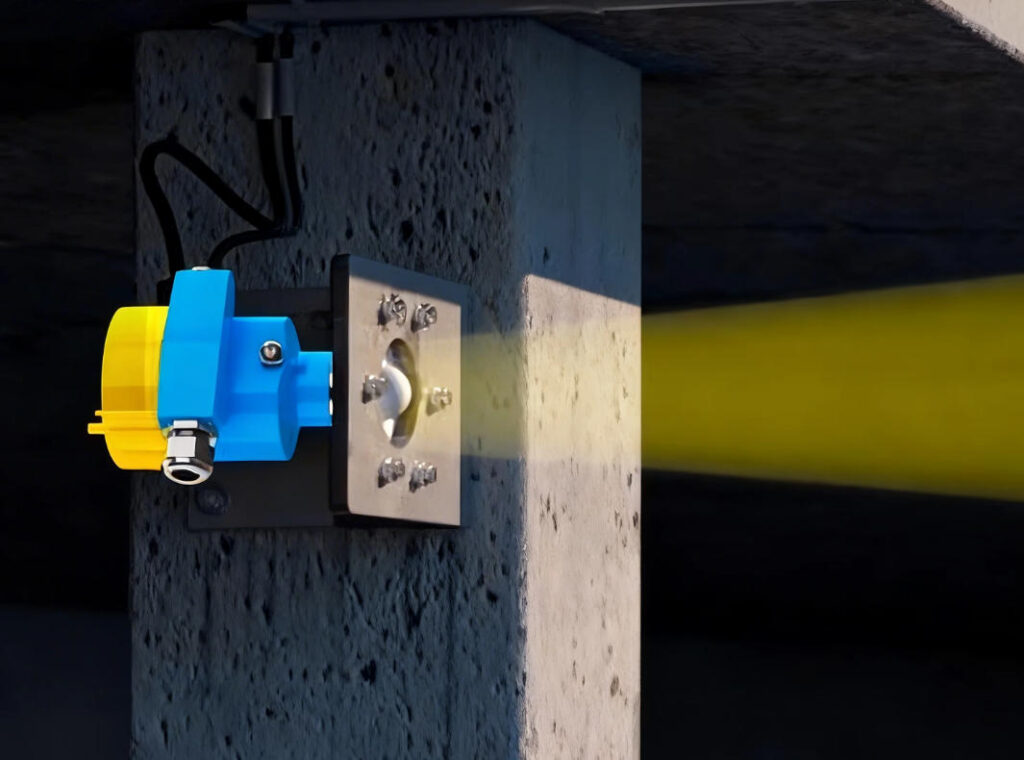
The working principle of a radar level transmitter is similar to “echo location.” The device emits high-frequency microwave signals through its antenna. When the signal encounters the liquid surface, it reflects back to the receiver. The transmitter calculates the liquid level height by measuring the time from emission to reception and combining it with the speed of the wave.
In complex conditions, radar waves have strong penetration, effectively resisting interference from steam, foam, dust, vibration, and high-viscosity media, ensuring stable and precise measurement.
1.2 Main Components
A typical radar level transmitter consists of:
- Transmitting antenna: Sends high-frequency microwave signals.
- Receiving antenna: Captures reflected signals from the liquid surface.
- Signal processor: Analyzes echo signals and extracts level information.
- Display & control module: Provides local display, parameter adjustment, and commissioning interfaces.
Modern radar level transmitters usually integrate intelligent algorithms to automatically filter signals, identify valid echoes, and suppress noise, achieving long-term stable measurements.
Illustration: Radar Level Measurement Principle – Microwave Echo for Liquid Level Detection
1.3 Classification
Radar level transmitters can be classified based on installation method and structure:
- Non-contact radar: The antenna does not touch the medium, suitable for corrosive, adhesive, or high-temperature liquids.
- Guided-wave radar: Uses a rod or cable to guide the microwave signal to the liquid surface, ideal for environments with heavy steam or strong foam.
- Fixed vs. portable installation: Can be mounted permanently on the tank top or moved to different measurement points.
In industrial applications, non-contact radar transmitters are widely used due to simple installation, low maintenance, and high reliability.
2. Advantages of Radar Level Transmitters
Compared to traditional level measurement technologies, radar level transmitters offer significant advantages:
- Non-contact measurement: No direct contact with liquids, avoiding corrosion, adhesion, and mechanical wear, reducing maintenance costs.
- High precision and stability: Accuracy up to ±1 mm, unaffected by temperature, pressure, or medium viscosity changes.
- Adaptability to complex conditions: Narrow, penetrating radar beams maintain stable measurement in steam, foam, dust, and high-viscosity environments.
- Intelligent operation: Modern devices support remote parameter settings, echo analysis, fault diagnostics, and software upgrades for efficient commissioning and operation.
- Low maintenance costs: Non-contact design minimizes mechanical wear, and intelligent filtering reduces on-site maintenance frequency.
3. Jiwei JWrada® Series Radar Level Transmitters
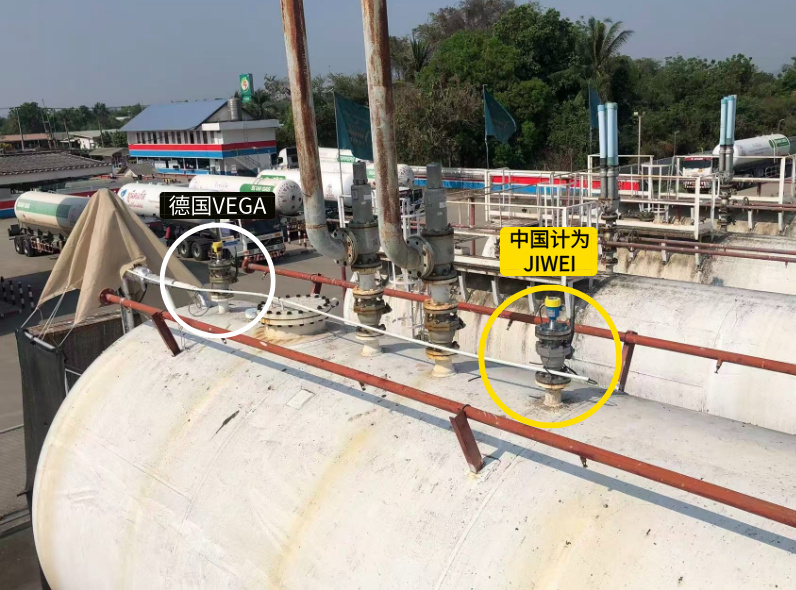
Among various radar level transmitters, Jiwei’s JWrada® series stands out as the most representative high-performance radar level transmitter in the Chinese market, uniquely capable of competing with the international brand VEGA.
3.1 Core Technical Features
JWrada® series integrates multiple advanced functions:
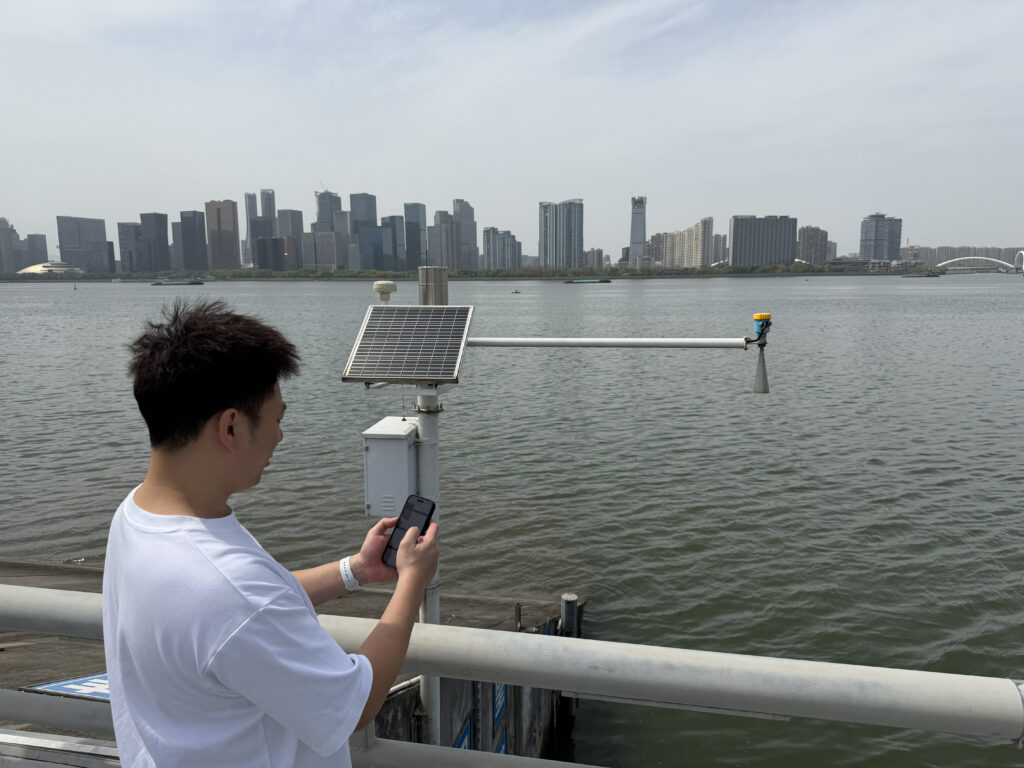
- Bluetooth remote connectivity: Use a mobile app for remote commissioning, parameter settings, and echo curve analysis.
- Intuitive app operation: Real-time display of echo and EFT curves; supports one-on-one remote commissioning with engineers.
- LCD display + physical buttons: Enables full manual control and rapid on-site adjustments.
- Fast parameter setting: Factory preset ranges or manual on-site adjustment; only 2–5 minutes per device even when tanks contain liquid.
- Parameter copy function: Duplicate settings from one device to multiple devices with a single click, avoiding repetitive operation.
Visual Concept: JWrada® – High-Performance Domestic Radar Level Transmitter Competing with VEGA
3.2 Software & Remote Commissioning Advantages
Key software advantages include:
- Cloud server remote commissioning and OTA upgrades
- Real-time viewing and analysis of echo and EFT curves
- Fault code display, process optimization, and parameter configuration
- One-on-one collaboration between engineers and field personnel for customized optimization
This software ensures each device performs optimally under various conditions and supports global remote management.
3.3 Efficient Installation & On-Site Commissioning
- Quick installation: No need for pipe modification; deploy directly on existing tanks.
- Flexible adjustment: Synchronization of Bluetooth app and manual panel improves commissioning efficiency.
- Ideal for retrofitting: Quickly optimize measurements in old tanks and complex conditions.
4. Industrial Applications of Radar Level Transmitters
Radar level transmitters are widely used across industries:
- Chemical storage tanks: Measure corrosive acids, alkalis, and solvents; non-contact design reduces corrosion risk.
- LPG/LNG tanks: High-pressure, low-temperature environments require focused radar beams to avoid obstacles and provide reliable data.
- High-viscosity reactors & slurry tanks: Beam optimization reduces signal interference in foamy or viscous media.
- Powder and fiber silos: Radar waves penetrate dust, ensuring continuous measurement and reducing false alarms.
- Water treatment & energy: Adapt to water, wastewater, steam, and high-temperature media; remote commissioning enhances management efficiency.
5. Global Competitiveness of JWrada®
JWrada® series demonstrates strong global market performance:
- High flexibility and ease of use: Supports both on-site manual and Bluetooth remote commissioning; parameters can cover various complex conditions.
- Efficiency: Quick installation, batch parameter copying, and Bluetooth remote control save commissioning time and improve production efficiency.
- Reliability: Stable Bluetooth connectivity, advanced software algorithms, and precise non-contact measurement ensure long-term stability, even in high-temperature, high-pressure, or corrosive environments.
- Proven international competitiveness: JWrada® has repeatedly replaced VEGA, providing a high-performance domestic alternative without compromising reliability or performance.
- Cloud & OTA support: Global remote monitoring, commissioning, and software upgrades ensure devices maintain peak performance worldwide.
JWrada® provides efficient, reliable, and intelligent level measurement solutions for factory automation, chemical storage, and energy & water systems, integrating advanced technology with practical industrial applications.
6. Conclusion
Radar level transmitters are essential instruments in modern industrial level measurement. With non-contact measurement, high precision, reliability, and intelligent features, they are the preferred choice for chemical, energy, LPG/LNG storage, and advanced material industries.
Jiwei’s JWrada® series integrates Bluetooth connectivity, app operation, LCD display with physical buttons, and cloud-based remote commissioning and software upgrades, achieving rapid installation, intelligent commissioning, and long-term stable operation. It is currently the most competitive radar level transmitter product in both domestic and international markets.