What Is a Level Transmitter? A Practical Guide to Industrial Level Measurement Technology
Accurate level measurement is a cornerstone of modern industrial automation. From liquid storage tanks to powder silos, knowing exactly how much material is inside a vessel directly affects safety, efficiency, cost control, and regulatory compliance. A Level Transmitter is the instrument responsible for continuously measuring material level and converting that measurement into a signal that can be interpreted by control systems such as PLCs or SCADA platforms.
Unlike simple point level switches that only indicate “high” or “low,” a level transmitter provides continuous, real-time data. This allows operators to monitor trends, optimize processes, prevent overflow, avoid dry-running pumps, and maintain stable production conditions.
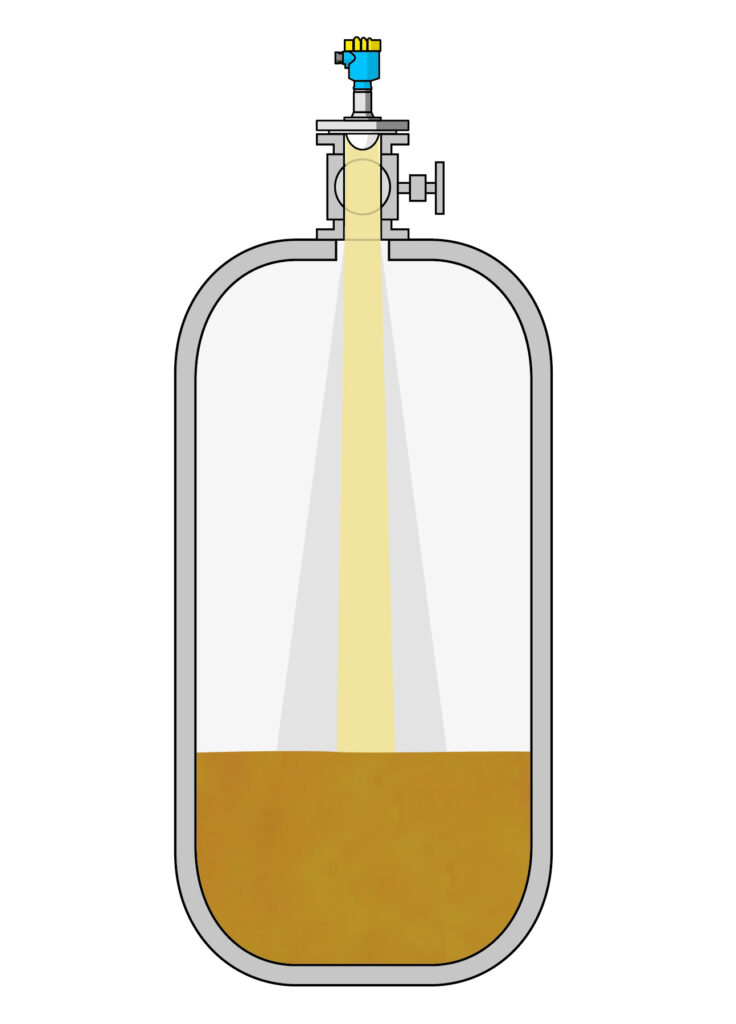
How Does a Level Transmitter Work?
Although designs vary, the operating principle follows a clear three-step structure:
1. Detection
The device senses the position of the material surface using a specific physical principle. Depending on the technology, this may involve microwave signals, sound waves, pressure measurement, or electrical property changes.
2. Signal Processing
The raw measurement is converted into a proportional electrical output. Most industrial transmitters use standardized signals such as 4–20 mA, while advanced models support digital protocols including HART, Modbus, or PROFIBUS.
3. Data Communication
The processed signal is transmitted to a control system for monitoring, automation logic, alarms, or data logging.
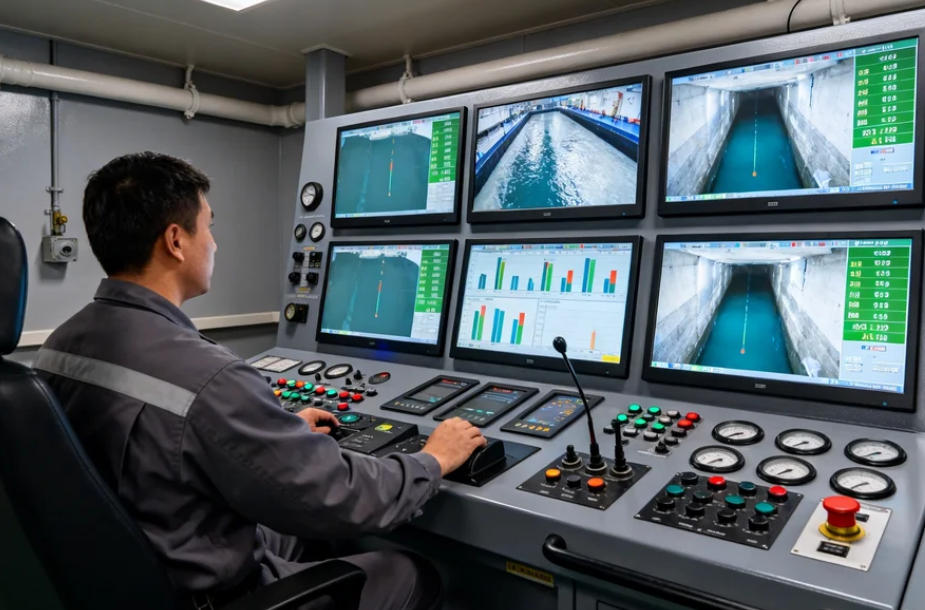
Modern transmitters are engineered to operate reliably under challenging industrial conditions—high temperature, pressure fluctuations, corrosive chemicals, dust, vapor, foam, or mechanical vibration. Stability under these dynamic conditions is what distinguishes industrial-grade instruments from basic sensors.
Major Types of Level Transmitters
Selecting the appropriate transmitter depends on factors such as the type of medium (liquid, slurry, powder), vessel geometry, required accuracy, and environmental conditions. Below are the most widely used technologies in industrial level measurement.
Ultrasonic Level Transmitters
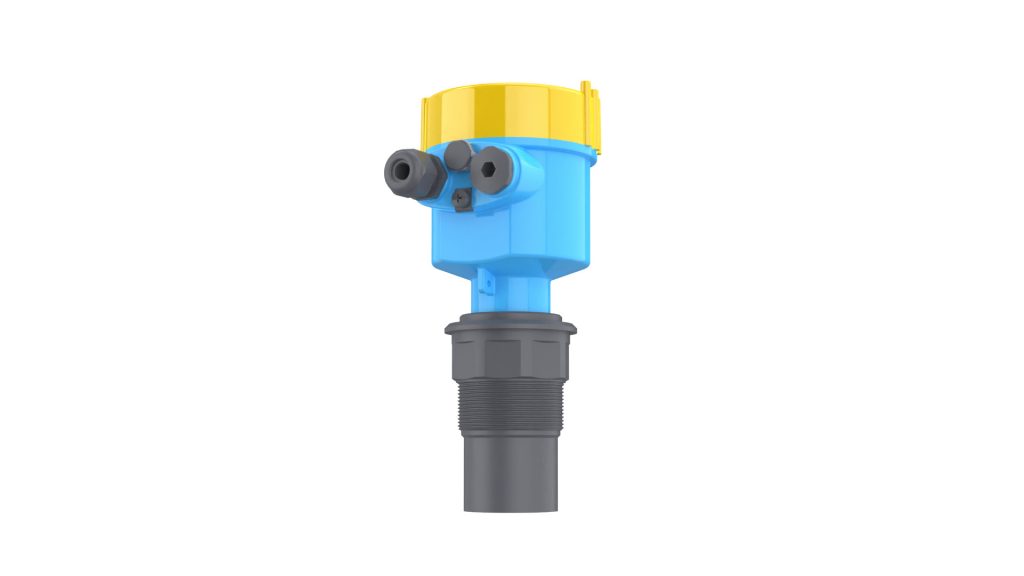
Ultrasonic devices measure level without direct contact. They emit high-frequency sound waves toward the material surface and calculate distance based on echo return time.
Best suited for:
- Water and wastewater applications
- Open tanks and sumps
- Corrosive liquids requiring non-contact measurement
Strengths:
- Simple installation
- Low maintenance
- Cost-efficient solution
Considerations:
Performance may be influenced by heavy vapor, foam layers, or extreme temperature variation.
Radar (Microwave) Level Transmitters
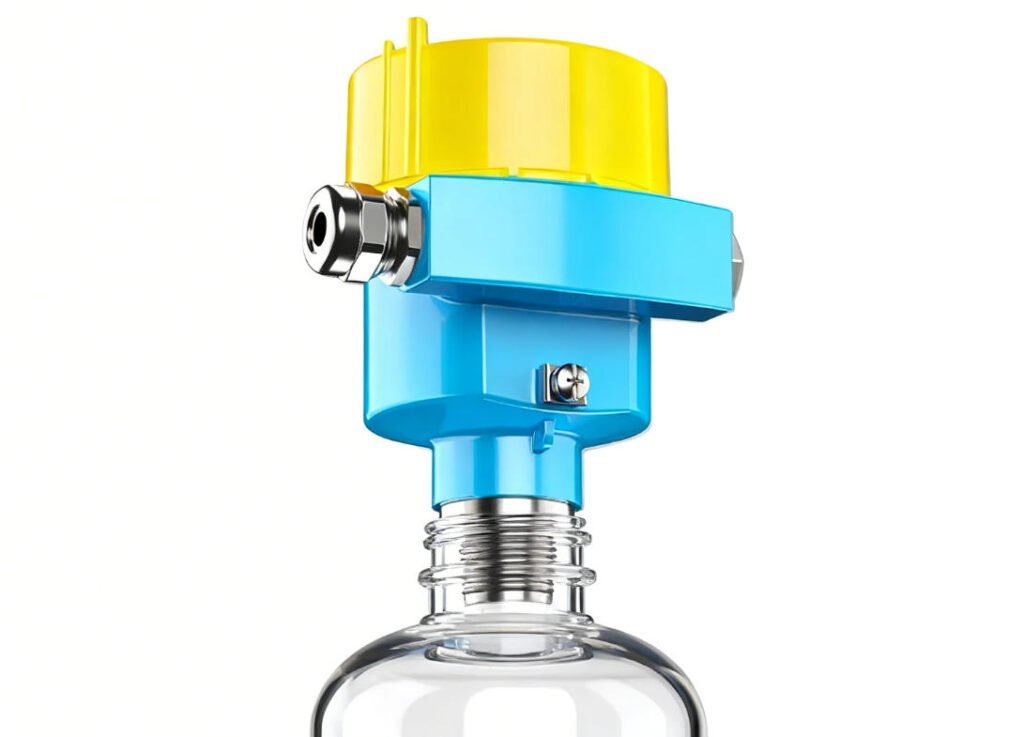
Radar transmitters use electromagnetic waves to determine level through time-of-flight or frequency-modulated continuous wave (FMCW) technology. Because microwave signals are less affected by environmental interference, radar systems offer exceptional reliability.
Common industrial uses:
- Petrochemical storage tanks
- Cement and bulk solid silos
- High-pressure reactors
Advantages:
- High precision
- Immune to dust, vapor, and temperature fluctuations
- Suitable for extreme process conditions
Limitations:
Higher upfront investment compared to simpler technologies.
Guided Wave Radar (GWR)
Guided wave radar improves measurement accuracy by directing microwave signals along a probe or cable. This design reduces signal dispersion and enhances performance in narrow tanks or interface measurement applications.
Ideal for:
- Oil-water interface detection
- Small or tall vessels
- Slurries and viscous liquids
Key benefit:
Reliable continuous measurement even in fluctuating process conditions.
Capacitance and Admittance Level Transmitters
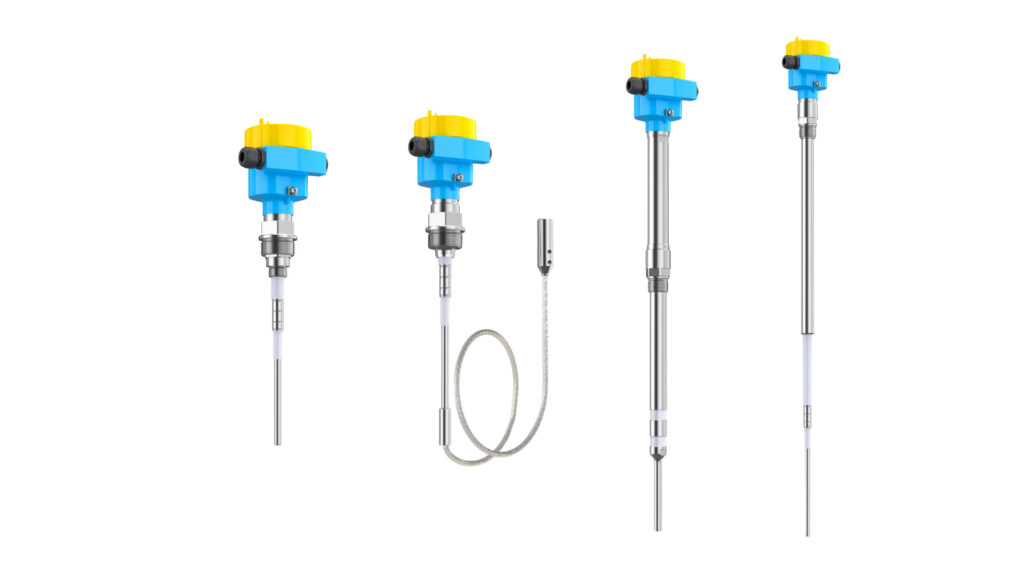
These transmitters detect changes in electrical capacitance between a probe and the vessel wall as material level rises or falls. They can measure both conductive and non-conductive materials.
Applications include:
- Powder silos
- Grain storage
- Chemical processing tanks
Advantages:
- Durable construction
- Suitable for solids and liquids
Important note:
Proper calibration is essential to maintain long-term accuracy.
Hydrostatic (Pressure-Based) Level Transmitters
Hydrostatic transmitters determine liquid level by measuring the pressure exerted by the liquid column above the sensor. Since pressure increases proportionally with height, the level can be calculated easily.
Commonly used in:
- Water reservoirs
- Wastewater treatment plants
- Underground tanks
Benefits:
- Proven and economical technology
- Straightforward installation
Limitation:
Accuracy depends on stable liquid density and temperature.
Where Are Level Transmitters Used?
Level measurement technology supports nearly every process industry:
- Water & Wastewater: Regulating inflow and preventing overflow in treatment facilities
- Chemical & Petrochemical: Managing hazardous liquids under strict safety requirements
- Food & Beverage: Ensuring hygienic measurement in storage and mixing systems
- Cement & Mining: Monitoring bulk solids in high-dust environments
- Semiconductor Manufacturing: Controlling ultra-pure chemical liquids
Each industry demands specific certifications and design features—such as explosion-proof housing, corrosion-resistant materials, or sanitary construction standards.
Key Factors When Selecting a Level Transmitter
Choosing the right instrument involves more than comparing price. Engineers typically evaluate:
- Material type (liquid, slurry, powder)
- Process temperature and pressure
- Required measurement accuracy
- Tank dimensions and internal structures
- Maintenance accessibility
- Communication protocol compatibility
A mismatch between application and technology often leads to inaccurate readings, frequent recalibration, or premature equipment failure.
Smart Level Transmitters and Digital Integration
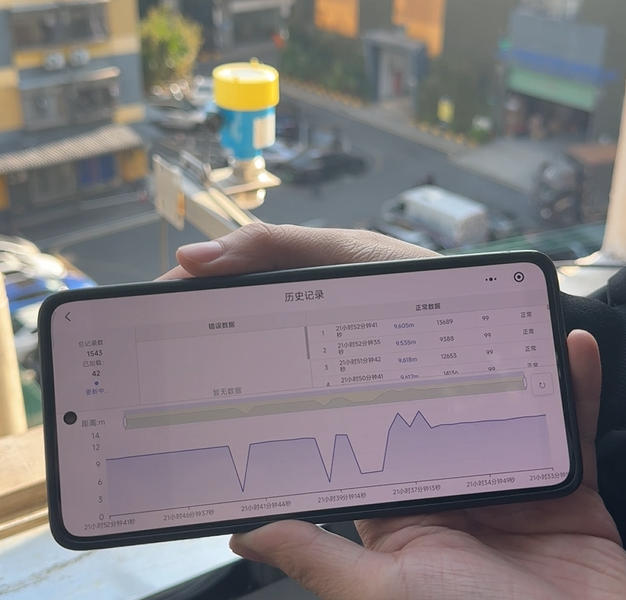
Industrial automation is rapidly evolving toward smart instrumentation. Today’s advanced level transmitters offer:
- Remote configuration and diagnostics
- Built-in self-monitoring
- Real-time data integration with cloud platforms
- Predictive maintenance alerts
These capabilities reduce manual inspection requirements and improve long-term operational efficiency. As industries adopt Industry 4.0 strategies, digital-ready transmitters become essential components of connected process systems.
The Future of Industrial Level Measurement
Continuous innovation in radar, signal processing, and digital communication is pushing the boundaries of accuracy and reliability. High-frequency radar systems now deliver millimeter-level precision, while improved filtering algorithms enhance stability in turbulent conditions.
At the same time, sustainability goals drive demand for more energy-efficient and durable instrumentation. Reduced downtime, extended service life, and minimized maintenance contribute directly to operational cost savings and environmental performance.
Conclusion
A Level Transmitter is far more than a measuring device—it is a critical control element in industrial automation. By providing continuous, accurate data on material levels, it safeguards processes, improves efficiency, and supports intelligent decision-making.
Selecting the appropriate technology—ultrasonic, radar, guided wave radar, capacitance, or hydrostatic—requires careful evaluation of process conditions and performance requirements. With the rise of smart instrumentation and digital connectivity, modern level transmitters are becoming increasingly intelligent, reliable, and adaptable.
For industries seeking precision, stability, and long-term value, investing in the right level measurement solution is a strategic decision that directly impacts operational success.