Understanding Level Measurement: Capacitive vs. Vibrating Level Switches in Industrial Environments
Reliable level measurement is essential across a wide range of industrial processes, including chemical production, food processing, mining, cement manufacturing, and more. Selecting the correct type of level switch can significantly affect operational efficiency, process safety, and maintenance requirements. Two of the most commonly used point-level devices are vibrating (tuning fork) level switches and capacitive level switches, each with unique strengths and limitations. Understanding these differences is critical for engineers, technicians, and maintenance teams to ensure accurate and dependable material level detection.
1. Vibrating vs. Capacitive Level Switches: Fundamental Principles
Vibrating Level Switches
Vibrating level switches operate on the principle of mechanical vibration. A fork or rod oscillates at a specific frequency, and the presence of material dampens this vibration. When damping is detected, the switch triggers an output signal.
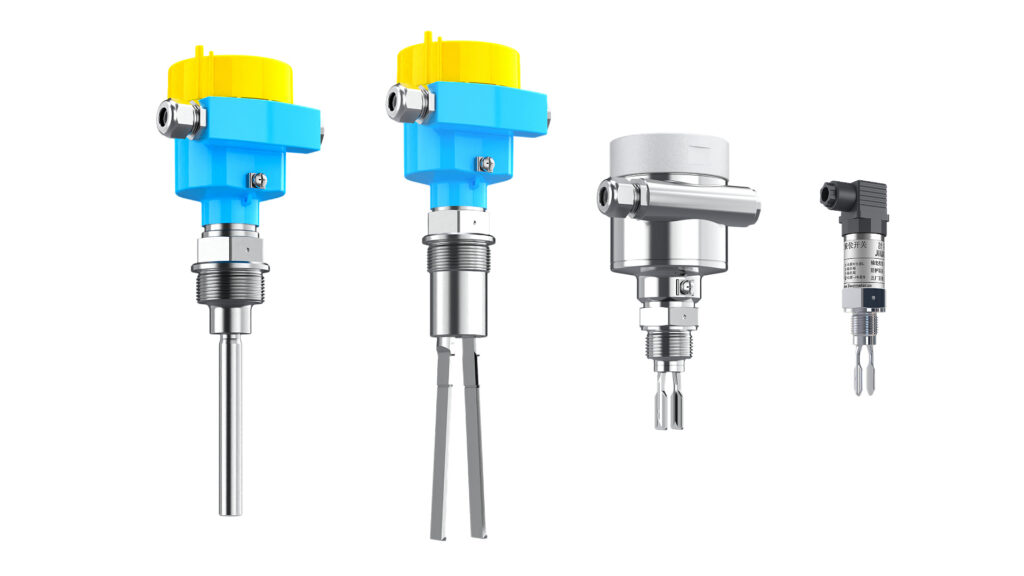
These switches are capable of handling a broad range of liquids and solids, including powders, granules, and larger particles. Their robust design, simplicity, and adaptability make them suitable for a variety of industrial environments, including harsh conditions with dust, vibration, or extreme temperatures.
Key characteristics of vibrating level switches include:
- Detection principle: Mechanical vibration damping
- Material density range: Liquids ≥ 0.5 g/cm³; solids ≥ 0.008 g/cm³
- Installation flexibility: Can be bottom-mounted in vessels, tanks, or hoppers
- Adaptability: Can handle changes in material density or composition
- Maintenance: Minimal, does not require frequent recalibration
Capacitive Level Switches
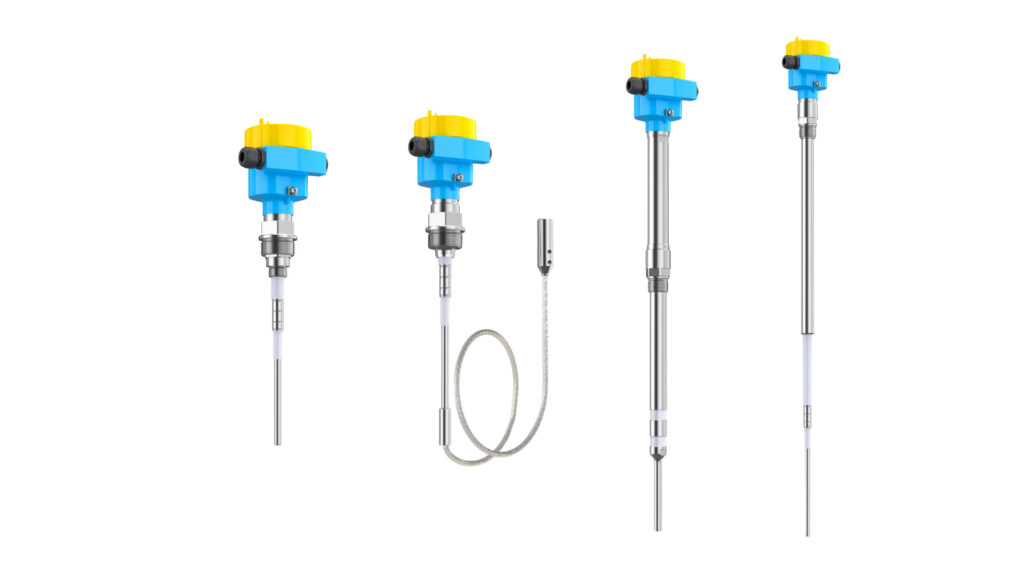
Capacitive level switches detect material presence by measuring changes in capacitance between the probe and the tank wall or a reference electrode. The dielectric constant of the material directly affects capacitance, which triggers the switch output.
Capacitive switches are highly sensitive to material properties, making them ideal for specific applications but sometimes limiting their general applicability. They are particularly suitable for viscous or sticky materials that may adhere to vibrating forks, which can interfere with mechanical switches.
Key characteristics of capacitive level switches include:
- Detection principle: Electrical capacitance
- Material requirements: Dielectric constant > 1.5 for accurate detection
- Installation constraints: Typically cannot be bottom-mounted; side mounting preferred
- Material suitability: Ideal for sticky, viscous, or adhesive materials
- Maintenance: Requires adjustment for medium properties and dielectric variations
2. Comparative Applications in Industrial Settings
Based on extensive field experience, engineers at Shenzhen Jiwei Automations Ltd. have summarized the ideal applications for vibrating and capacitive level switches as follows:
| Feature | Vibrating Level Switch | Capacitive Level Switch | Notes |
|---|---|---|---|
| Classification | Based on material density | Based on dielectric constant | Vibrating switches can handle liquids, powders, or granular solids |
| Measurable range | Liquids ≥0.5 g/cm³, solids ≥0.008 g/cm³ | Dielectric constant >1.5 | |
| Application scope | Broad | Narrow | Capacitive suitable for specific cases |
| Material change adaptability | Yes | No | Vibrating switches can handle density fluctuations |
| Small pipe use | Yes | No | Vibrating switches better for narrow installations |
| Low dielectric constant <1.5 | Yes | No | Vibrating switches are versatile |
| High-density, sticky materials | Moderate | Preferred | Capacitive better for viscous, adhesive materials |
| Material particle diameter >20mm | Moderate | Preferred | Capacitive suitable for large particles |
| Mixed fine and coarse particles | Moderate | Preferred | Capacitive offers stable detection |
| Medium tuning required | No | Yes | Capacitive requires adjustment to medium properties |
| Installation style | Can be bottom-mounted | Not suitable for bottom mounting | Installation flexibility differs |
(Source: Shenzhen Jiwei Automations Ltd., R&D Center, 2015-10-01)
3. Practical Considerations for Industrial Engineers
Material Behavior and Flow
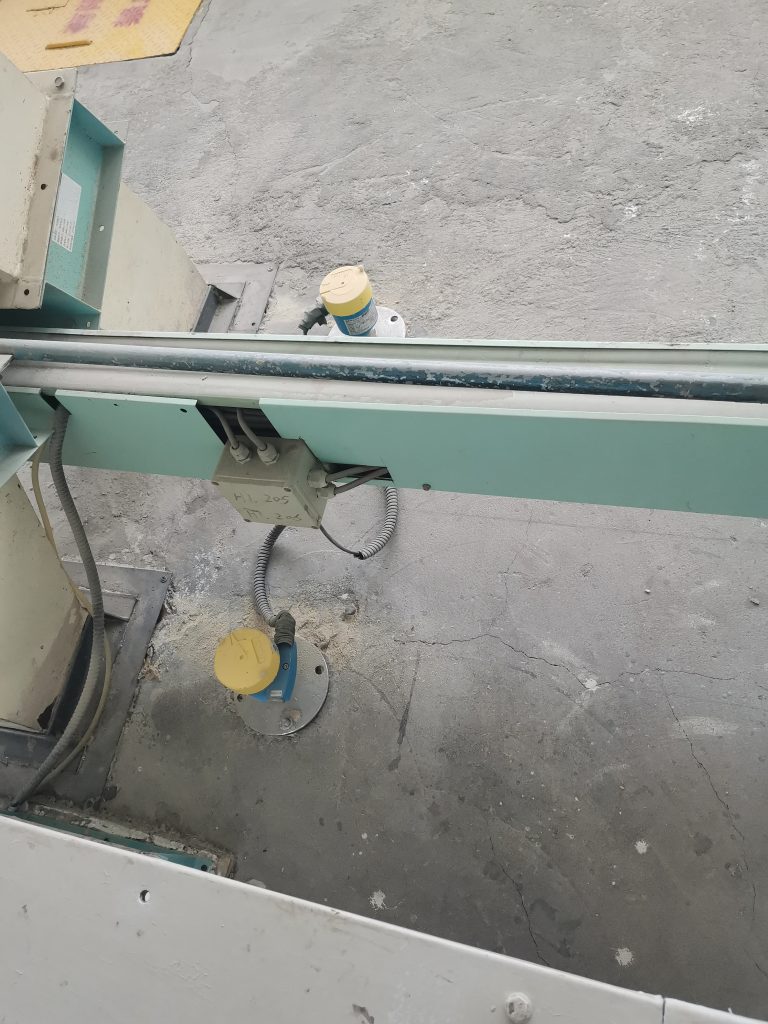
Material behavior such as bridging, clumping, and irregular flow can affect point-level detection. Vibrating switches are generally less sensitive to these issues, making them suitable for a wide range of liquids, powders, and granular solids. Capacitive switches, in contrast, require precise calibration and careful probe positioning to ensure consistent and reliable detection.
Environmental Conditions
Industrial environments are rarely ideal. Factors including dust, vibration, temperature fluctuations, and humidity can affect switch performance. Vibrating switches perform well in high-vibration or dusty environments, whereas capacitive switches are preferred for viscous, sticky, or high-adhesion media. Proper material selection and protective coatings can enhance durability for both switch types under aggressive or extreme conditions.
Electrical Integration
Level switches must interface correctly with PLCs or control systems. Common mistakes include:
- Loose or incorrect wiring
- Voltage fluctuations outside allowable limits
- Mismatched normally open/closed logic with control software
- Neglecting fail-safe or safety interlock requirements
Proper attention to electrical integration can prevent false alarms, missed detections, and unnecessary troubleshooting attributed to device failure.
4. Selecting the Right Level Switch
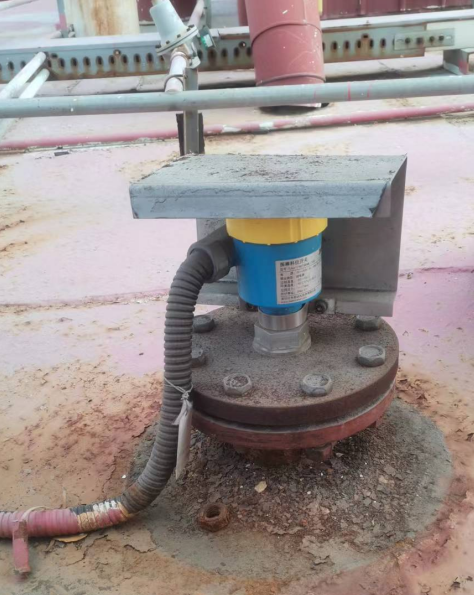
Guidelines for Decision-Making
- Material Properties: Evaluate density, viscosity, dielectric constant, and particle size.
- Environmental Factors: Consider dust, vibration, temperature variations, and humidity.
- Installation Constraints: Assess vessel geometry, probe placement, and accessibility.
- Maintenance Considerations: Review calibration requirements and maintenance accessibility.
- Measurement Objectives: Determine if point-level detection (vibrating or capacitive) meets the process need.
Field Insights
Experience shows that most reported switch “failures” are not due to manufacturing defects but result from misunderstood process conditions, incorrect switch selection, improper installation, or poor electrical/system integration. Implementing a systematic approach to diagnostics ensures reliable operation and reduces unnecessary replacements.
Conclusion
Point-level switches each have distinct advantages:
- Vibrating level switches: Broad applicability, low maintenance, flexible installation, ideal for dusty or high-vibration environments
- Capacitive level switches: Best for sticky, viscous, or large-particle materials requiring dielectric-sensitive detection
By understanding the operational principles, limitations, and environmental considerations of each type, engineers can select the most suitable solution for their application. Proper integration with control systems and regular calibration ensures long-term reliability, safe production, and optimized process efficiency.
Reliable point-level measurement is not only about the instrument—it is about understanding the process, installation practices, electrical integration, and ongoing monitoring.
vibrating level switch, capacitive level switch, point-level measurement, industrial level measurement, harsh environment level detection, non-contact level sensor, material level detection, powder and granular measurement