Liquid Level Switch vs Level Transmitter: Complete Industrial Application Guide
1. Introduction: Importance of Industrial Level Measurement
In modern industrial automation systems, liquid level measurement is one of the most fundamental and critical process variables. It is widely used in storage tanks, water treatment systems, chemical reactors, process vessels, energy systems, and bulk material handling applications.
With the rapid development of industrial intelligence, level measurement is no longer limited to “detecting whether liquid exists.” Instead, industries now require stable, accurate, continuous, and network-connected level data for process optimization and safety management.
In this context, two major types of instruments are widely used: liquid level switches (point level detection devices) and liquid level transmitters or level meters (continuous level measurement devices).
Although both are used for level monitoring, their functional positioning and system roles are fundamentally different.
2. Difference Between Liquid Level Switch and Level Transmitter
A liquid level switch is designed for point-level detection. Its main function is to determine whether the liquid has reached a predefined position and then output a switching signal (ON/OFF). It does not provide continuous level data.
In contrast, a liquid level transmitter or level meter is designed for continuous measurement. It provides real-time level values and outputs standard industrial signals such as 4–20mA, HART, or RS485, enabling integration into PLC, DCS, and SCADA systems.
In simple terms:
- Liquid Level Switch = point alarm / safety signal
- Liquid Level Transmitter = continuous measurement / process data
3. Role of Liquid Level Switch in Industrial Applications
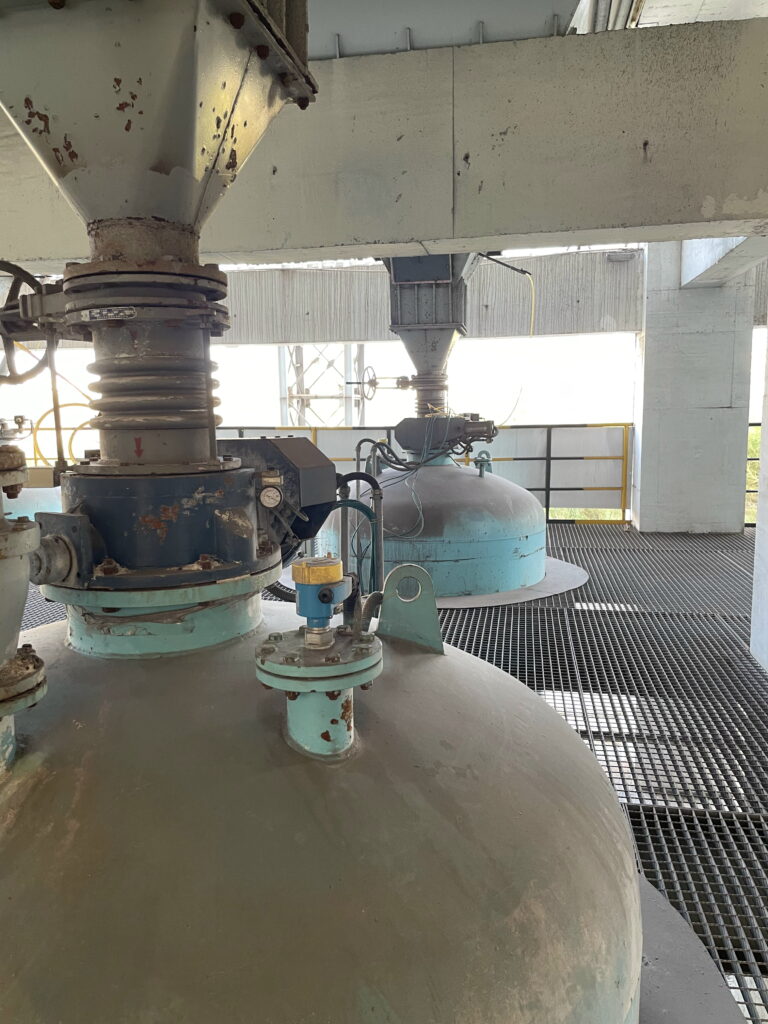
A liquid level switch is a typical point-level detection instrument used for threshold-based control. It is widely applied in overflow protection, dry-run prevention, pump control, and high/low level alarm systems.
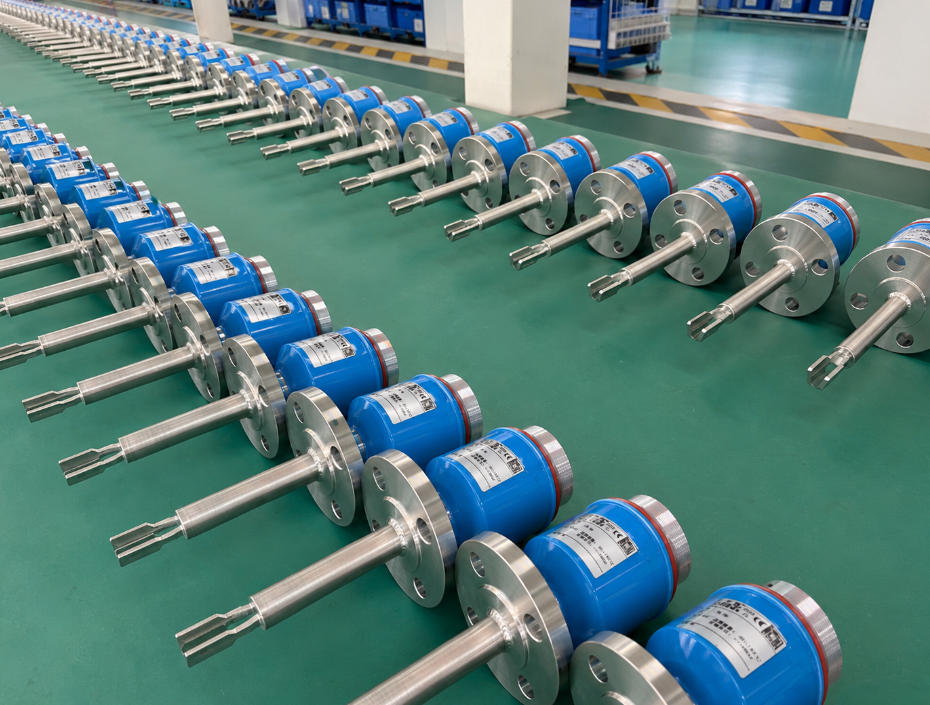
The Ring-11 tuning fork level switch from Jiwei Automation is a representative product in this category. It uses a vibrating tuning fork structure to detect liquid presence. When the tuning fork is immersed in liquid, the vibration frequency changes due to damping effects, and the internal circuit immediately triggers a switching output signal.
This measurement principle does not depend on liquid conductivity or dielectric properties, making it suitable for a wide range of industrial liquids including water, oil, and chemical media.
Ring-11 is widely used in storage tanks and process vessels for high-level alarm and low-level protection. It ensures safe operation of pumps and prevents equipment damage caused by abnormal liquid levels.
In addition, the tuning fork structure provides strong anti-interference performance. Even under conditions such as vibration, foam, bubbles, or fluctuating liquid surfaces, the switch maintains stable performance. This makes it highly reliable in demanding industrial environments.
Ring-11 also supports multiple industrial certifications including explosion-proof and SIL safety standards, making it suitable for hazardous areas.
4. Continuous Level Measurement with Radar Level Transmitter
Unlike level switches, a level transmitter provides continuous and real-time measurement of liquid level. It not only detects a threshold but continuously outputs precise level values for process control and system optimization.
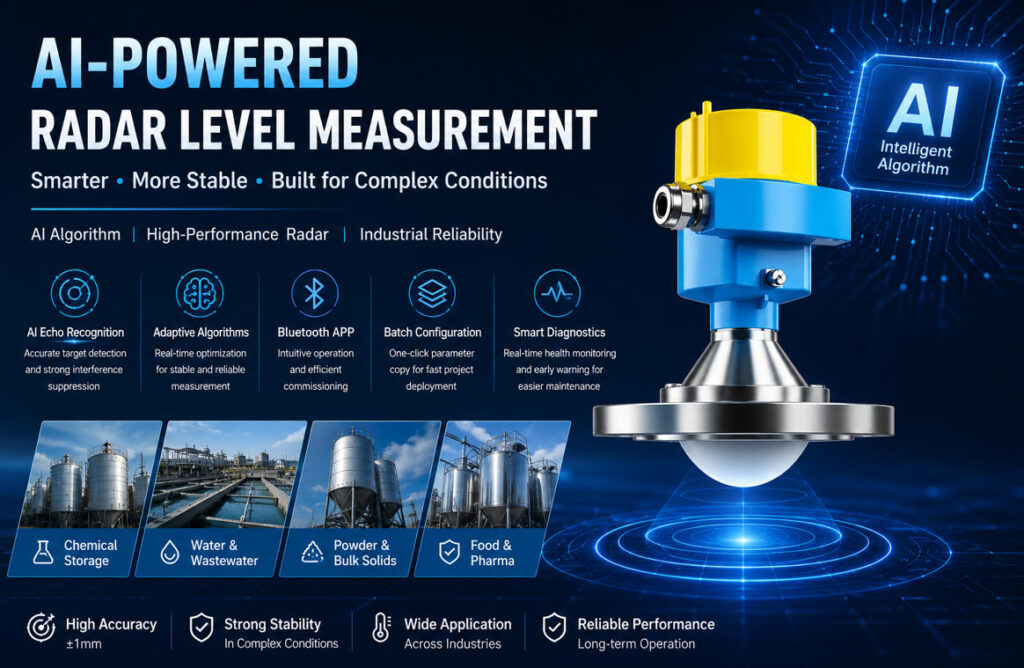
The JWrada radar level transmitter is based on 80GHz FMCW (Frequency Modulated Continuous Wave) radar technology. It measures level by emitting high-frequency radar signals and analyzing the reflected echo from the liquid surface.
Because it is a non-contact measurement technology, JWrada does not touch the medium, eliminating issues caused by corrosion, scaling, or mechanical wear. It is especially suitable for chemical storage tanks, powder silos, and harsh industrial environments.
The 80GHz high-frequency signal provides a narrow beam angle and strong focusing ability, which significantly improves measurement stability in environments with steam, dust, agitation, or turbulence.
JWrada supports multiple output protocols such as 4–20mA, HART, and RS485 Modbus, making it fully compatible with modern automation systems. In addition, it offers Bluetooth commissioning and mobile APP configuration, enabling fast installation and parameter setup in the field.
5. Functional Relationship Between the Two Instruments
In industrial system design, liquid level switches and level transmitters are not substitutes for each other. Instead, they serve different layers of process control architecture.
Level switches are typically used in the safety layer, responsible for emergency protection such as overflow prevention or pump dry-run protection. They act as independent safety triggers with simple ON/OFF logic.
Level transmitters, on the other hand, belong to the process control layer. They provide continuous data required for inventory management, process optimization, and automation control strategies.
Therefore, modern industrial systems often combine both instruments to achieve a multi-layer safety and control structure.
6. Engineering Comparison: Ring-11 vs JWrada Radar Level Meter
In practical applications, Ring-11 and JWrada are not competing technologies but complementary solutions.
Ring-11 provides discrete level detection (“has reached or not”), while JWrada provides continuous measurement (“current level value”). When used together, they form a complete and reliable level monitoring system.
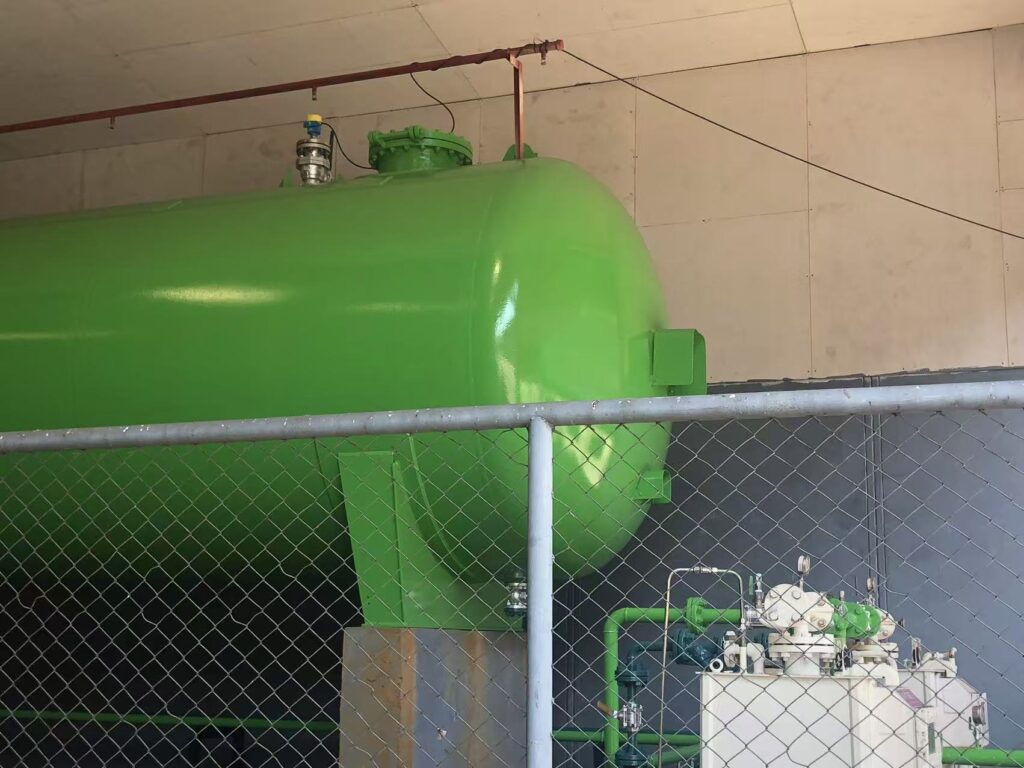
In storage tanks, Ring-11 is typically installed at high and low safety points, while JWrada continuously monitors the full level range. This combination significantly improves operational safety and system visibility.
This dual-instrument architecture is widely used in chemical, energy, mining, and water treatment industries.
7. Industrial Application Scenarios
In the chemical industry, aggressive media and complex process conditions require highly reliable instrumentation. Ring-11 is commonly used for safety interlocks, while JWrada provides continuous process monitoring.
In water treatment systems, level switches prevent pump dry-running and overflow conditions, while radar level transmitters optimize pump control and water balance management.
In oil and energy industries, large storage tanks require both inventory monitoring and safety protection. JWrada provides accurate continuous level data, while Ring-11 ensures emergency protection.
In bulk solids and mining applications, heavy dust and harsh environments make radar technology essential. JWrada ensures stable measurement performance, while tuning fork switches provide critical point-level protection.
8. Industry Trends in Level Measurement Technology
The future of industrial level measurement is moving toward higher frequency radar technology, wireless commissioning, cloud-based monitoring, AI echo recognition, and multi-device integration.
80GHz radar level transmitters are becoming the industry standard due to their narrow beam angle, high accuracy, and strong anti-interference capability.
At the same time, smart level switches are evolving toward higher reliability, stronger diagnostics, and deeper integration with industrial control systems.
9. Conclusion
Liquid level switches and liquid level transmitters serve different but complementary roles in industrial automation systems.
The Ring-11 tuning fork level switch is designed for point-level detection, offering reliable alarm and protection functions with high stability and strong anti-interference performance.
The JWrada 80GHz radar level transmitter is designed for continuous level measurement, providing accurate real-time data for monitoring, control, and digital management.
In modern industrial applications, combining both instruments is considered the optimal solution for achieving safe, reliable, and intelligent level management systems.