304 vs 316 Stainless Steel in Industrial Instrumentation: Material Selection Guide for Level Instruments and Pressure Sensors
1. Introduction: Why Material Selection Matters in Industrial Instruments
In industrial automation and process control systems, material selection is one of the most critical engineering decisions when choosing instruments such as level transmitters, radar level meters, pressure sensors, and level switches. Although it may seem like a secondary specification compared to measurement range or signal output, material selection directly determines the long-term stability, reliability, and service life of the instrument.
In real-world industrial environments, instruments are often exposed to corrosive media, high humidity, chemical vapor, salt spray, temperature fluctuations, and mechanical stress. Under such conditions, improper material selection can lead to corrosion failure, signal drift, mechanical damage, or even complete instrument breakdown.
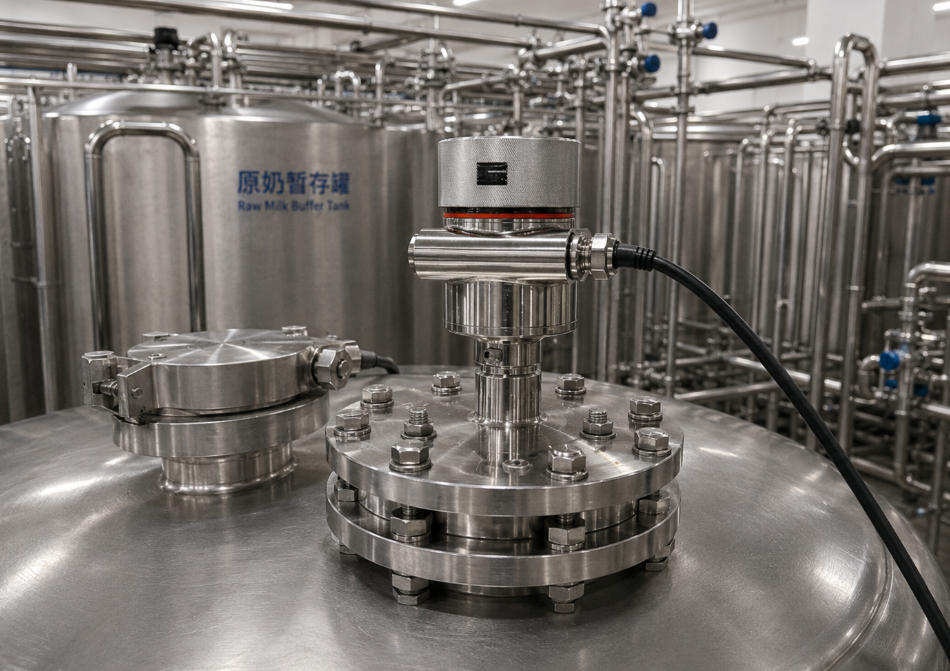
Among all stainless steel materials used in industrial instrumentation, 304 stainless steel and 316 stainless steel are the two most widely applied options. Customers often face a common engineering question: which one should be selected, and under what conditions?
This article provides a comprehensive technical explanation to help engineers and procurement teams make informed material selection decisions for industrial level measurement and pressure monitoring systems.
2. Overview of 304 and 316 Stainless Steel in Industrial Applications
Both 304 and 316 stainless steels belong to the austenitic stainless steel family, known for their excellent mechanical strength, formability, and corrosion resistance. They are widely used in industrial instrumentation housings, process connections, sensor enclosures, and wetted parts.
However, despite their similar appearance and mechanical behavior, their chemical composition and corrosion resistance performance are significantly different.
304 stainless steel is considered a general-purpose material widely used in standard industrial environments. It provides a good balance between cost and performance, making it suitable for most non-corrosive or mildly corrosive applications.
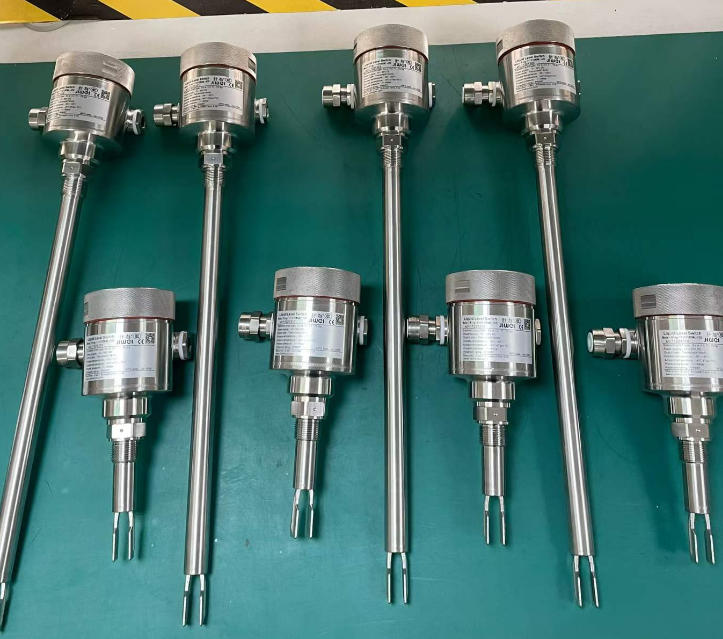
316 stainless steel, on the other hand, contains molybdenum (Mo), which significantly improves its resistance to pitting corrosion, crevice corrosion, and chloride attack. This makes it more suitable for harsh chemical, marine, and high-corrosion environments.
In industrial instrumentation, this difference becomes extremely important because the wetted parts of instruments such as radar level transmitters and level switches directly interact with process media.
3. Chemical Composition and Corrosion Mechanism Differences
The key distinction between 304 and 316 stainless steel lies in their alloy composition.
304 stainless steel typically contains chromium and nickel, which provide general corrosion resistance and structural stability. It performs well in atmospheric conditions, freshwater systems, and many industrial environments where chloride concentration is low.
316 stainless steel includes an additional element—molybdenum. This small but critical addition significantly enhances resistance against chloride-induced corrosion, particularly pitting and crevice corrosion, which are common failure modes in industrial environments.
From a corrosion mechanism perspective, chloride ions penetrate the passive oxide layer of stainless steel and initiate localized corrosion. In 304 stainless steel, this protective layer is more vulnerable under chloride exposure, especially in marine or chemical environments. In contrast, 316 stainless steel maintains a more stable passive film, significantly reducing localized corrosion risk.
This is why 316 stainless steel is widely used in offshore platforms, chemical processing plants, and high-salinity industrial systems.
4. Environmental Factors in Material Selection
4.1 Corrosive Media Conditions
One of the most important factors in selecting between 304 and 316 stainless steel is the level of environmental corrosion.
In mild environments such as clean water, dry air, or low-temperature industrial conditions, 304 stainless steel is generally sufficient. It provides reliable performance while maintaining cost efficiency.
However, in environments where instruments are exposed to acids, alkalis, chlorides, or chemical vapors, 316 stainless steel becomes the preferred choice. This includes chemical storage tanks, wastewater treatment plants, marine applications, and oil and gas facilities.
In such environments, the use of 304 stainless steel may lead to early corrosion, reduced accuracy, or shortened service life of instruments such as level transmitters and pressure sensors.
4.2 Temperature and Pressure Conditions
Although both 304 and 316 stainless steels perform well under moderate temperature and pressure, elevated temperatures combined with corrosive media can accelerate corrosion reactions.
In high-temperature chemical processes or steam-related applications, 316 stainless steel provides more stable long-term performance due to its improved chemical stability.
4.3 Chloride Exposure and Marine Environments
Chloride is one of the most aggressive corrosive agents in industrial environments. Marine applications, desalination plants, and offshore oil platforms all present high chloride exposure conditions.
In such cases, 316 stainless steel is strongly recommended because it significantly reduces the risk of localized corrosion and extends instrument lifespan.
5. Cost Considerations in Industrial Projects
Cost is another key factor influencing material selection decisions.
304 stainless steel is generally more economical due to its simpler composition and widespread availability. For large-scale industrial projects where thousands of instruments are deployed, the cost difference between 304 and 316 can be significant.
However, in engineering practice, initial cost should not be the only consideration. Long-term maintenance cost, downtime risk, and equipment replacement frequency must also be considered.
In critical industrial applications such as chemical processing or offshore engineering, choosing 316 stainless steel often results in lower total lifecycle cost, even though the initial investment is higher. This is because it reduces corrosion-related failures, maintenance intervals, and unexpected shutdowns.
6. Hygiene and Industry Compliance Requirements
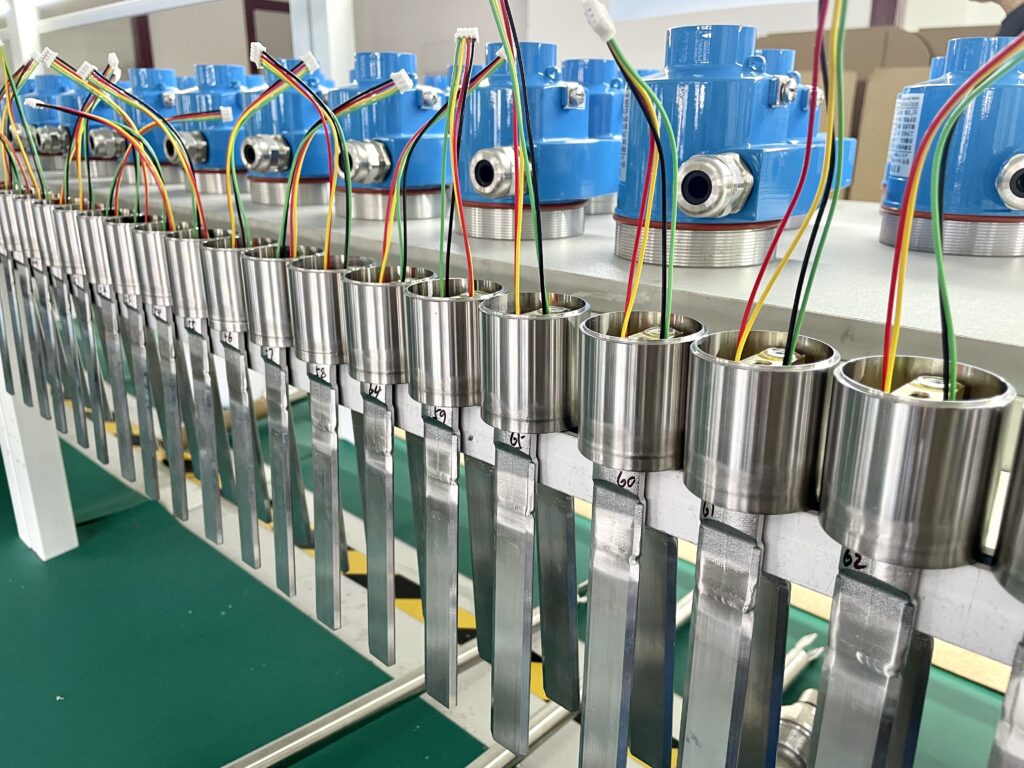
In industries such as food processing, pharmaceuticals, and biotechnology, material selection is not only about corrosion resistance but also about hygiene compliance.
316 stainless steel is widely preferred in these industries because it offers superior resistance to contamination and chemical cleaning agents. It can withstand frequent cleaning cycles, including CIP (Clean-In-Place) and SIP (Sterilization-In-Place) processes.
304 stainless steel may still be used in less critical hygienic environments, but in high-standard regulated industries, 316 is generally the default specification for wetted parts of instruments.
7. Industrial Case Studies
Case Study 1: Food Processing Application
In a food processing plant, a liquid level measurement system was required for a clean water-based filling process. The medium was non-corrosive, operating at relatively low temperature, and did not involve chemical additives.
In this case, 304 stainless steel was selected for the level instruments. The decision was based on cost efficiency and sufficient performance under mild operating conditions. The system operated reliably without corrosion issues, demonstrating that 304 stainless steel is well-suited for general hygienic applications.
Case Study 2: Chemical Industry Application
In a chemical plant storing hydrochloric acid solution, the environment was highly corrosive due to strong acid exposure and chloride presence. Continuous contact between process media and instrument wetted parts required high corrosion resistance.
In this case, 316 stainless steel was selected for level transmitters and process connections. The result was significantly improved instrument lifespan, reduced maintenance frequency, and stable measurement performance over long-term operation.
This case clearly demonstrates the importance of selecting corrosion-resistant materials in harsh chemical environments.
8. Application in Level Instruments and Pressure Sensors
In industrial level measurement systems, material selection is particularly important because instruments are often directly exposed to process media.
For radar level transmitters such as JWrada 80GHz radar level meter, the housing and process connection materials determine long-term stability in aggressive environments. Similarly, for level switches like tuning fork level switches (Ring-11), wetted parts must maintain corrosion resistance to ensure reliable switching performance.
304 stainless steel is commonly used in standard water tanks, HVAC systems, and general industrial applications. In contrast, 316 stainless steel is preferred for chemical tanks, offshore systems, and high-humidity environments.
9. Engineering Selection Principles
From an engineering perspective, material selection should not be based solely on cost or availability. Instead, it should consider the full lifecycle of the instrument, including installation environment, medium characteristics, maintenance accessibility, and system criticality.
A simplified engineering principle can be summarized as follows:
304 stainless steel is suitable for general industrial environments with low corrosion risk, while 316 stainless steel is recommended for chemically aggressive, high-humidity, or chloride-rich environments.
For critical systems where failure is not acceptable, 316 stainless steel should always be prioritized.
10. Conclusion
The selection between 304 and 316 stainless steel plays a fundamental role in the performance and reliability of industrial instruments such as level transmitters and pressure sensors.
While 304 stainless steel provides a cost-effective solution for general applications, 316 stainless steel offers significantly improved corrosion resistance and long-term durability in harsh environments.
In modern industrial automation systems, selecting the correct material is not only a technical decision but also a strategic engineering choice that directly impacts system reliability, maintenance cost, and operational safety.
For standard applications, 304 stainless steel is sufficient. For chemical, marine, or high-corrosion environments, 316 stainless steel is strongly recommended. In high-reliability systems, a lifecycle-based approach should always be adopted when making material selection decisions.