-
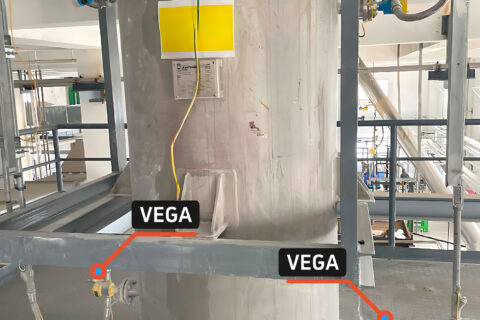
Reliable Radar Level Transmitters & Level Switches——Strong Alternative to VEGA & Endress+Hauser
Jiwei Automations offers advanced Level Transmitters & Level Switches with zero dead zone and SIL certification, delivering reliable, cost-effective solutions for industrial level measurement.
-

Why 80 GHz Radar Level Meters Deserve Your Attention in Chemical Applications
Discover why 80 GHz radar level meters excel in chemical plants: non-contact measurement, low-DK media accuracy, valve/nozzle installation, and high dynamic range.
-

Why Dynamic Range Matters in Radar Level Meters: Beyond Frequency and Beam Angle
Learn how a 120 dB dynamic range in 80 GHz radar level meters penetrates foam, glass, and low-dielectric liquids—offering reliable, non-contact measurement in tough industrial environments.
-

Hidden Powers of Radar Level Transmitters: 4 Key Advantages of 80 GHz Technology
Explore four powerful features of 80 GHz radar level transmitters—from non-contact window measurements to low dielectric liquid detection—that enhance accuracy and flexibility in tough industrial settings.
-

Understanding Dynamic Range in Radar Level Transmitters
Discover why 120 dB dynamic range in radar level transmitters is a game-changer for measuring low dielectric liquids, foaming applications, and challenging process conditions across industries.
-
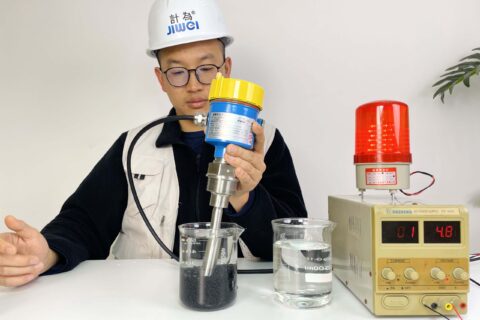
Level Measurement Selection Guide: 5 Key Questions to Choose the Right Instrument
Choose the right level measurement instrument by media type, process condition, and output signal.
-

Dielectric Constants List——A Guide to Choosing Radar Level Transmitters
Discover how dielectric constants impact radar level transmitter selection. Includes a complete table of dielectric values for accurate specification.
-
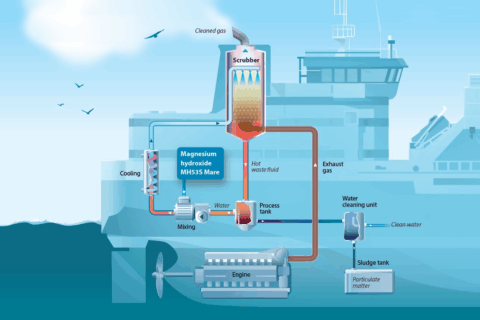
Scrubber Phase-Out: The Hidden Shift from Equipment Compliance to Systemic Environmental Control
As open-loop and closed-loop scrubbers face global regulatory phase-outs, this article explores how green shipping is shifting from hardware compliance to intelligent system-level environmental control.
-

Advanced Antenna & Coupler Design in Jiwei’s 80GHz Radar
Explore the core technologies behind Jiwei’s 80GHz radar level meter, including microstrip antenna and 3dB directional coupler, highlighting advanced independent innovation.
-
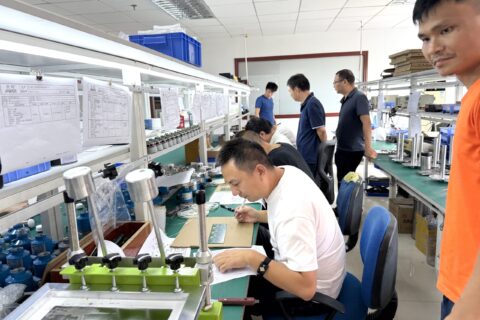
Jiwei Product Development Process: From Concept to Mass Production
Discover Jiwei’s rigorous and efficient product development process, from concept, design, development, and pilot production to mass production.