
How to Choose a Level Switch for Silos Operating Above 400°C?
Research & Development | Industrial Knowledge | Jiwei Automations | November 2, 2026
In industries such as cement, metallurgy, power generation, and chemical processing, equipment such as clinker silos and high-temperature ash hoppers often operate at temperatures ranging from 300°C to 450°C. Conventional level switches may experience probe damage, signal abnormalities, and false alarms under these extreme operating conditions.
How should you select a high-temperature level switch for a silo operating above 400°C?
The key is not simply the maximum temperature rating. Material selection, thermal isolation, cooling methods, and electronic housing temperature protection must all be considered.

1. Why Does High Temperature Affect Level Detection?
A level switch typically consists of a sensing probe, process connection, and electronic housing. High temperatures affect the instrument through heat conduction and thermal radiation, potentially causing several problems.
Probe Performance Degradation
Prolonged exposure to high temperatures can cause metal oxidation, material deformation, and reduced insulation performance. For vibrating level switches, excessive temperatures may also affect the internal piezoelectric components and compromise detection performance.
Heat Transfer to the Electronic Housing
Heat can travel along the probe and metal connection structure, increasing the temperature of the electronic housing and potentially affecting normal circuit operation.
Seal and Insulation Aging
Continuous high-temperature exposure can accelerate the aging of sealing materials, compromising instrument sealing performance and service life.
Therefore, a high-temperature level switch requires an integrated design that protects both the sensing probe and the electronic components.
2. What Technologies Are Used in High-Temperature Level Switches?
2.1 High-Temperature Materials: Improving Probe Thermal Stability
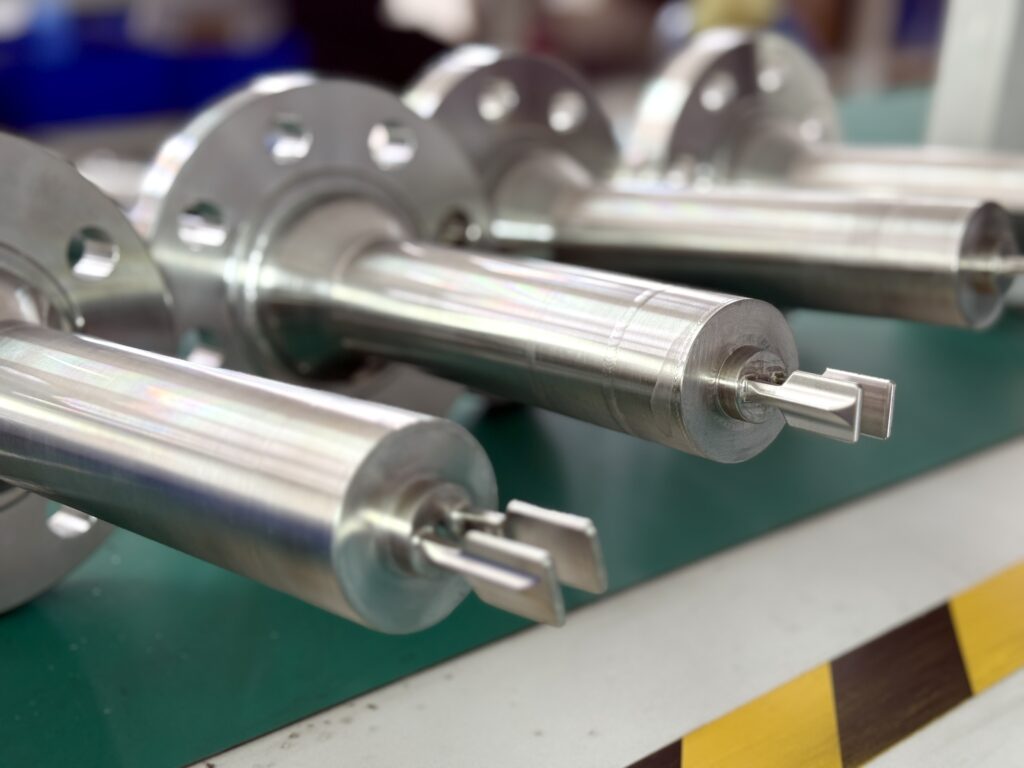
Probes that remain in direct contact with high-temperature materials require excellent heat resistance, electrical insulation, and corrosion resistance.
Ceramic materials offer excellent high-temperature resistance and electrical insulation properties. They are particularly suitable for high-temperature RF admittance probes, helping maintain electrical insulation under extreme operating conditions.
For vibrating level switches, the temperature resistance of the metal probe is only one consideration. The operating temperature limits of internal piezoelectric components, wiring, and encapsulation materials must also be taken into account.
2.2 Thermal Isolation: Preventing Heat Transfer to the Electronic Housing
High-temperature level switches commonly use extended necks, thermal isolation structures, or heat-dissipation components to increase the distance between the sensing probe and electronic housing, reducing heat transfer.
For insulated silos, the heat-dissipation section should remain appropriately exposed to the surrounding environment. Covering this section with thermal insulation materials may reduce heat dissipation and cause the electronic housing to overheat.
Jiwei Level Switch Heat Sink
2.3 Active Cooling: Protecting Internal Sensitive Components
When natural heat dissipation is insufficient, air cooling or water cooling can be used to reduce the internal temperature of the instrument.
Air Cooling
Continuous airflow removes heat from the instrument, helping protect piezoelectric components and internal wiring.
Water Cooling
Circulating cooling water transfers heat away from high-temperature components, improving the cooling capacity of the system.
It is important to note that instruments using active cooling must operate under the specified cooling conditions. Insufficient cooling flow or an interruption in the cooling supply may cause internal components to overheat.
Jiwei Water-Cooled Level Switch – High-Temperature Testing
3. What Temperature Conditions Should Be Confirmed During Selection?

The maximum temperature rating of a high-temperature level switch generally refers to its maximum process temperature. It does not mean that the entire instrument, including the electronic housing, can operate at the same temperature.
The following conditions should be evaluated during instrument selection.
Process Temperature
Confirm the normal operating temperature, duration of exposure, and possible peak temperatures inside the silo.
Ambient Temperature of the Electronic Housing
Ensure that the electronic housing remains within its permitted operating temperature range. Additional thermal isolation or heat dissipation may be necessary.
Cooling Conditions
Check the availability of compressed air, cooling water, and the ability of the cooling system to operate continuously.
Configuration Requirements
Confirm whether the selected model includes a high-temperature extension structure, heat-resistant components, and the required cooling accessories.
In addition, the detection principle should be selected according to material density, dielectric properties, corrosiveness, material buildup, and installation conditions.
4. Which Level Switch Technology Is Suitable for Silos Above 400°C?
For high-temperature powders and granular materials, Jiwei Automations offers three level measurement solutions:
- Cape-11H RF Admittance Level Switch
- Fork-11 Vibrating Fork Level Switch
- Tube-11 Vibrating Rod Level Switch
Each product uses a different detection principle and high-temperature protection design.
Cape-11H: Ceramic Probe with Process Temperatures up to 450°C
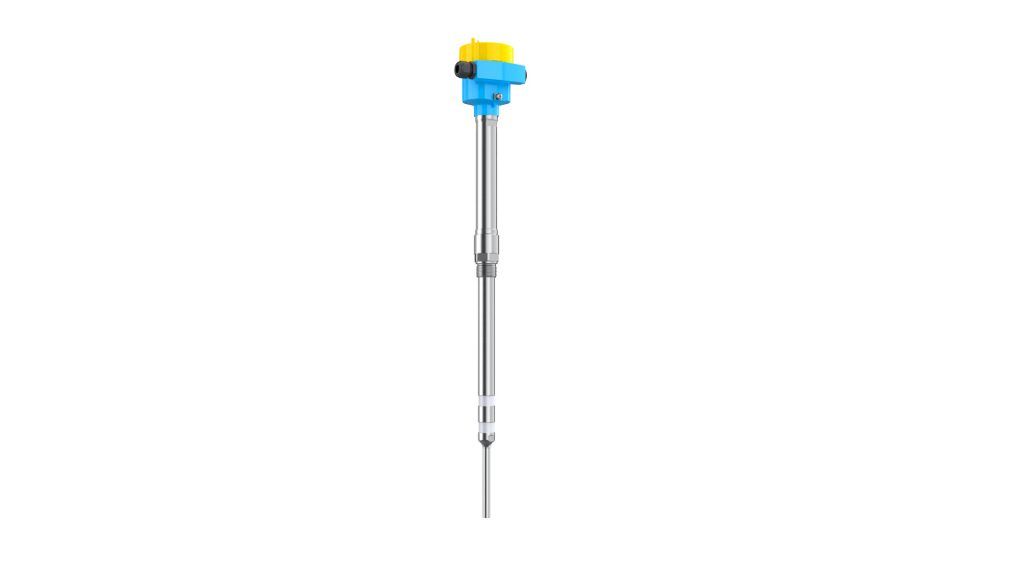
The Cape-11H ultra-high-temperature RF admittance level switch features a high-temperature ceramic probe. It detects changes in reactance caused by contact between the probe and the material to determine the material level.
Key Features:
- Maximum process temperature: 450°C
- Suitable for high-temperature applications ranging from 400°C to 450°C
- Ceramic probe with excellent heat resistance and electrical insulation
- Measurement electrode and guard electrode design helps reduce the effects of material buildup on the probe
- Electronic housing ambient temperature: -40°C to +70°C
The Cape-11H is suitable for applications involving cement clinker, sintering dust, and high-temperature powders. Material dielectric properties and mechanical protection requirements should be evaluated during selection.
Fork-11: High-Sensitivity Vibrating Fork with Configurations up to 400°C
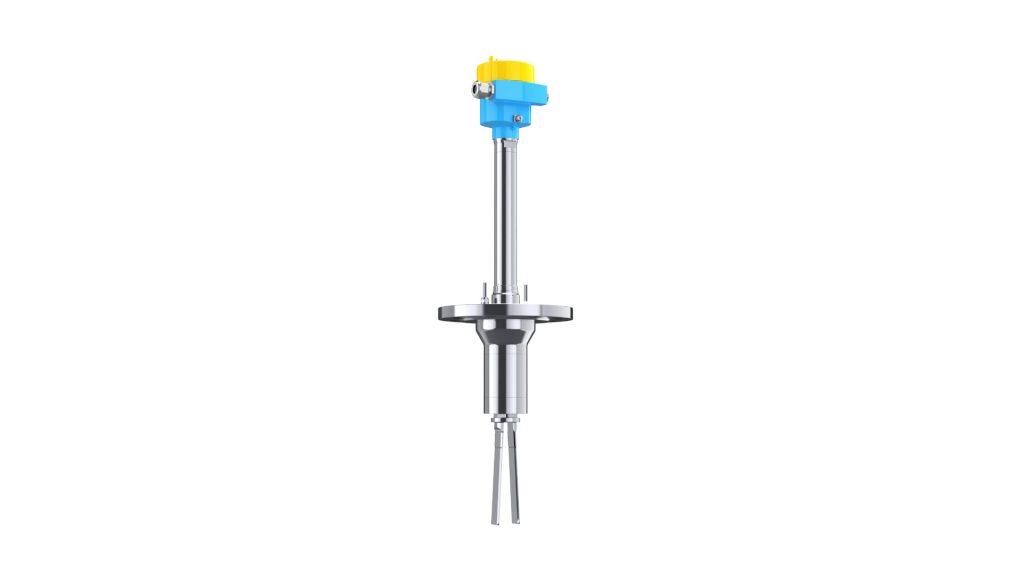
The Fork-11 vibrating fork level switch uses piezoelectric elements to drive the fork tines into vibration. When material contacts the fork, changes in vibration amplitude are detected to determine the material level.
It is suitable for lightweight powders and fine granular materials.
Key Features:
- Maximum process temperature: 400°C with the specified ultra-high-temperature configuration
- High-temperature extension structure and heat-resistant piezoelectric components
- Continuous cooling air supply protects internal sensitive components in the ultra-high-temperature configuration
- Optimized fork structure combines low-density material detection with resistance to material buildup
The Fork-11 is suitable for high-temperature lightweight powders and fine granular materials. For ultra-high-temperature applications, continuous cooling air must be supplied according to the specified technical requirements.
Tube-11: Dual-Tube Resonance Design with Cooled Configurations up to 400°C
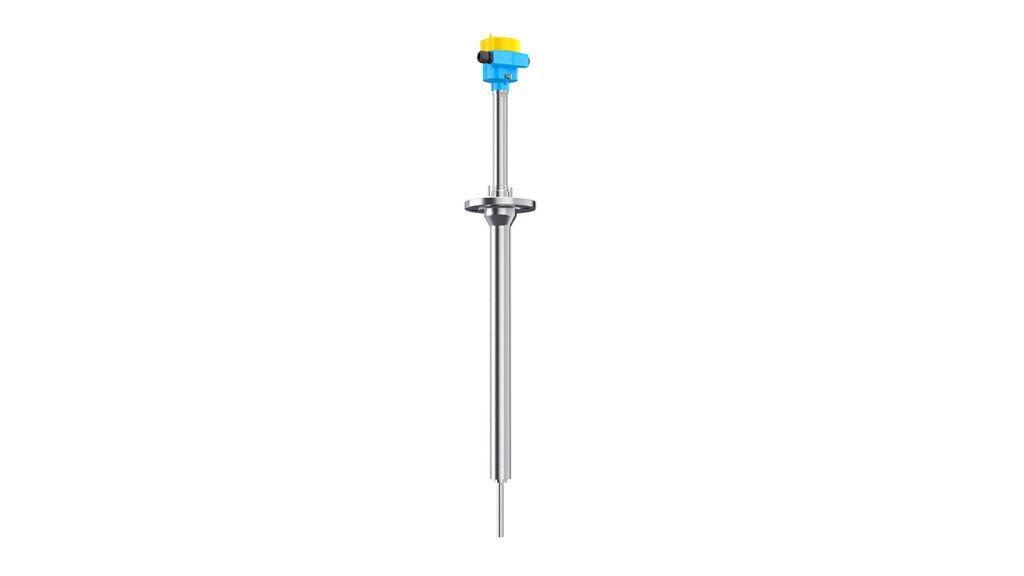
The Tube-11 vibrating rod level switch features a nested inner-and-outer dual-tube vibration structure. It detects changes in resonance caused by material contact to determine the material level.
Key Features:
- Maximum process temperature: 400°C with the specified ultra-high-temperature cooling configuration
- Supports corresponding air-cooled or water-cooled structures to reduce the temperature of internal sensitive components
- Rod-shaped probe design reduces material bridging between fork tines
- Dual-tube resonance technology combines high detection sensitivity with resistance to material buildup
The Tube-11 is suitable for high-temperature powders, granular materials, and industrial silos where material buildup is a potential concern.
Conclusion: Match Temperature Resistance with the Right Detection Technology
Selecting a level switch for high-temperature applications requires more than checking its maximum temperature rating. Probe materials, thermal isolation, cooling conditions, and material characteristics must all be considered.
For applications with process temperatures above 400°C and up to 450°C, the Cape-11H with its ceramic probe can be evaluated according to the material properties and operating conditions.
For high-temperature powder applications at temperatures up to 400°C, the Fork-11 or Tube-11 with the specified cooling configurations can be selected according to the detection requirements and material characteristics.
Through different technical approaches, including ceramic materials, high-temperature extension structures, and active cooling, these three products provide targeted level detection solutions for demanding high-temperature silo applications.
Choose the right temperature-resistant design and match the detection technology to your actual process conditions for reliable high-temperature level monitoring.
Note: The maximum temperatures stated in this article apply to specific product configurations. Actual selection must be verified according to process temperature, electronic housing ambient temperature, and cooling requirements.