Radar Level Transmitter for High-Pressure Applications: Isolation Chamber and Acrylic Window Solution
1. Industry Background and Technical Challenges
In high-pressure process environments, radar level transmitters play a critical role in ensuring reliable and continuous level measurement. Typical applications include chemical reactors, sealed storage tanks, and pressurized transfer systems. These conditions are often associated with high pressure, corrosive media, crystallization tendencies, and elevated temperatures. Under such circumstances, conventional measurement methods frequently encounter issues such as sealing failure, sensor damage, and high maintenance frequency.
From an engineering perspective, the core challenge of high-pressure level measurement using radar level transmitters lies in a fundamental contradiction: the system must accurately detect the true level while avoiding direct exposure to the pressurized medium. Therefore, achieving stable and continuous measurement under safe isolation conditions becomes the key objective in system design.
2. Role of the Isolation Chamber in High-Pressure Measurement
The introduction of an isolation chamber (also referred to as a pressure isolation chamber) effectively separates the pressure-bearing structure from the measurement system, especially when using radar level transmitters for sealed tanks. It is designed to withstand internal vessel pressure while keeping the instrument in a relatively safe external environment, thereby reducing the risk of equipment failure.
In practical applications, the isolation chamber is typically installed at the top of the tank or at the measurement interface. Its design must meet specific pressure ratings while ensuring long-term sealing reliability. For high-pressure or hazardous media applications, this structure significantly enhances system safety and operational reliability.
It is important to note that the isolation chamber itself does not participate in the measurement process. It serves purely as a protective and transitional structure. As a result, after isolation is achieved, signal transmission for the radar level transmitter remains a critical aspect to be addressed.
3. Engineering Value of Acrylic (PMMA) Radar-Transparent Structure
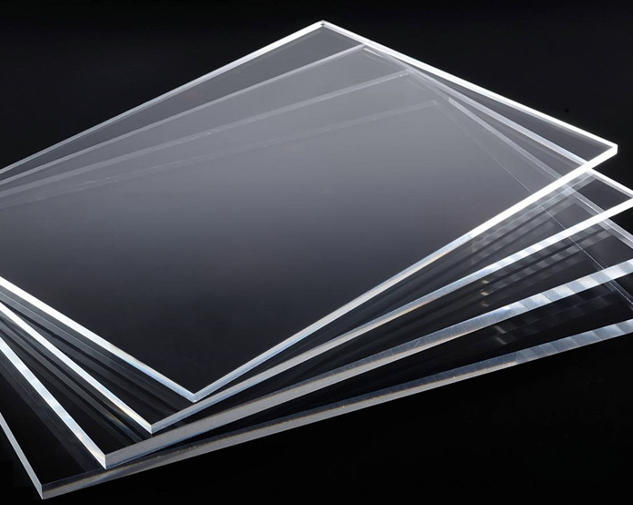
To enable effective signal transmission for a radar level transmitter, a radar-transparent window is typically integrated into the isolation chamber. Acrylic (PMMA) is widely used for this purpose due to its excellent electromagnetic wave transmission properties.
In the millimeter-wave frequency range, acrylic exhibits very low absorption and reflection characteristics, ensuring that radar signals experience minimal attenuation when passing through the material. This makes it highly suitable for applications such as radar level measurement in high-pressure tanks. At the same time, its mechanical strength and machinability make it ideal for industrial environments.
With proper design of thickness and installation geometry, additional reflections or signal distortions can be effectively minimized, ensuring the integrity and reliability of the measurement signal path for the radar level transmitter.
4. Radar Level Measurement Principle and Transparency Adaptability
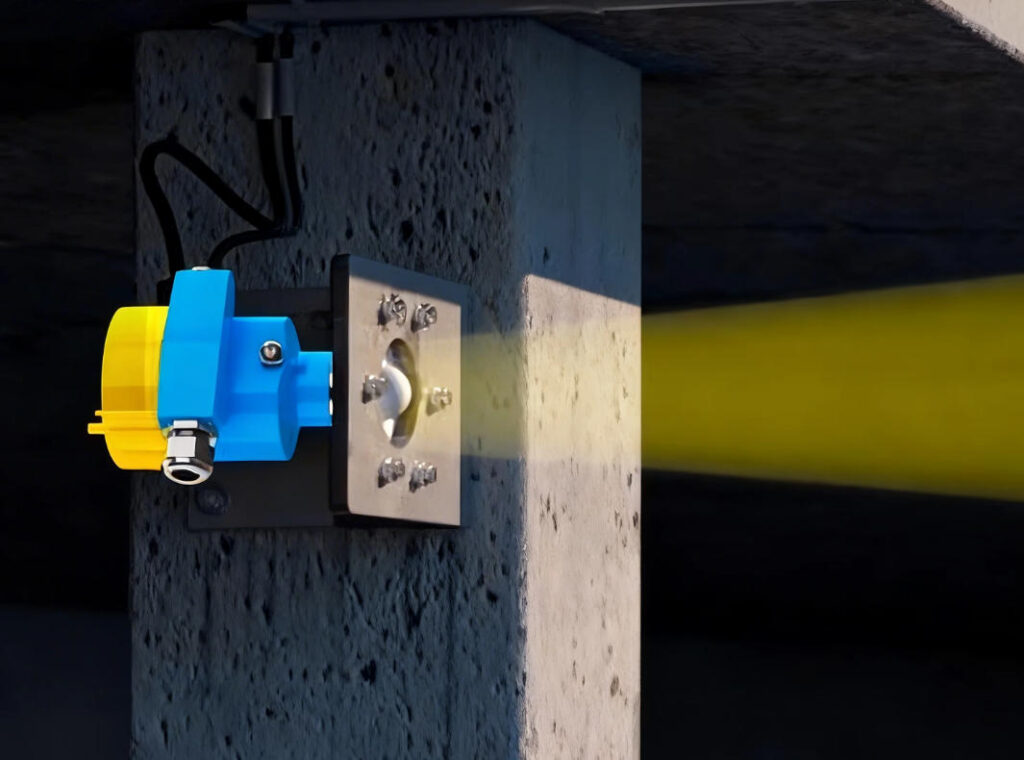
A radar level transmitter operates based on the time-of-flight (ToF) principle. The device emits high-frequency microwave signals, which pass through the acrylic window into the tank. Upon reaching the material surface, the signal is reflected back to the receiver, and the level is calculated based on the travel time.
Although the presence of an isolation chamber and transparent window introduces an additional interface, the low dielectric constant of acrylic ensures that its impact on signal velocity and propagation path is negligible. Under proper engineering design, the measurement accuracy of the radar level transmitter is not significantly affected.
Field applications have shown that echo signals remain clear and stable, while false echoes can be effectively filtered through advanced signal processing algorithms. Overall, the performance of the radar level transmitter in high-pressure applications remains highly reliable.
5. Advantages of JWrada® Radar Level Transmitter in High-Pressure Applications
In such applications, the performance and adaptability of the instrument itself are critical. The 80 GHz JWrada® radar level transmitter from Shenzhen Jiwei Automations Ltd demonstrates strong capability in high-pressure and complex process environments.
The JWrada® series integrates stable Bluetooth connectivity with an intuitive mobile application, enabling both on-site and remote configuration. The radar level transmitter can be pre-configured before delivery, allowing for rapid commissioning. In most cases, parameter setup can be completed within 2–5 minutes per unit, even when the tank is already in operation.
Through Bluetooth connection, engineers can perform real-time remote adjustments and replicate configuration parameters across multiple radar level transmitters with a single action, significantly improving commissioning efficiency. Additionally, the device is equipped with an LCD display and physical keypad, ensuring convenient on-site operation.
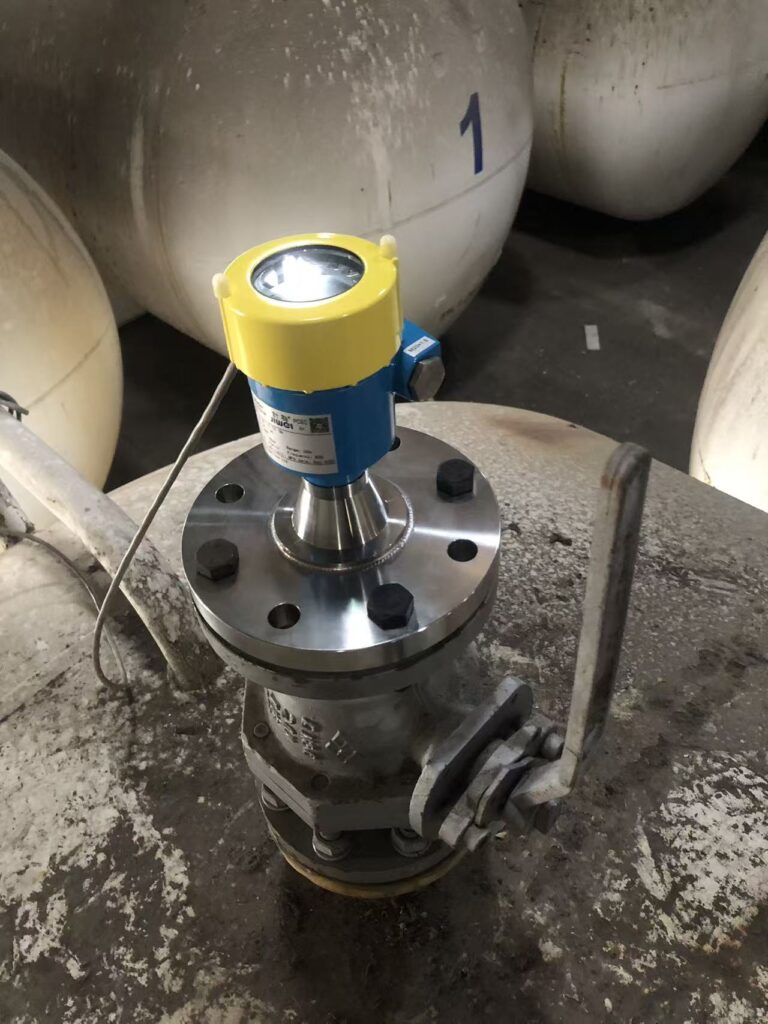
In terms of signal processing, the JWrada® radar level transmitter offers strong interference resistance. Its advanced algorithms effectively distinguish between true echoes and structural reflections, maintaining stable measurement performance even in complex tank conditions or when using radar-transparent windows. The device also supports seamless firmware upgrades and extended functionality, ensuring long-term adaptability.
In real-world projects, this radar level transmitter has successfully replaced well-known international brands, demonstrating reliable performance and improved operational efficiency. It is now recognized as one of the most competitive radar level transmitters in the Chinese market.
6. Solution Advantages and Application Scenarios
The combination of an isolation chamber with an acrylic radar-transparent structure provides a highly effective solution for radar level transmitter applications in high-pressure environments. First, it achieves complete physical separation between the measurement system and the pressurized medium, significantly enhancing safety. Second, the non-contact nature of radar level measurement eliminates mechanical wear and clogging issues, reducing maintenance requirements.
Furthermore, the transparent structure ensures stable signal transmission, enabling long-term reliable operation of the radar level transmitter. This solution is widely applicable in high-pressure chemical tanks, sealed reactors, corrosive media storage systems, and hygienic processes in food and pharmaceutical industries.
7. Conclusion
In high-pressure level measurement, a single technology is often insufficient to meet both safety and accuracy requirements. By combining the mechanical isolation capability of an isolation chamber with the non-contact advantages of a radar level transmitter, and utilizing an acrylic radar-transparent structure for signal transmission, a comprehensive and reliable solution can be achieved.
As a professional manufacturer of radar level transmitters, Shenzhen Jiwei Automations Ltd continues to deliver proven solutions for complex industrial applications. The JWrada® radar level transmitter has demonstrated excellent performance in high-pressure environments, making it a dependable choice for modern process industries.